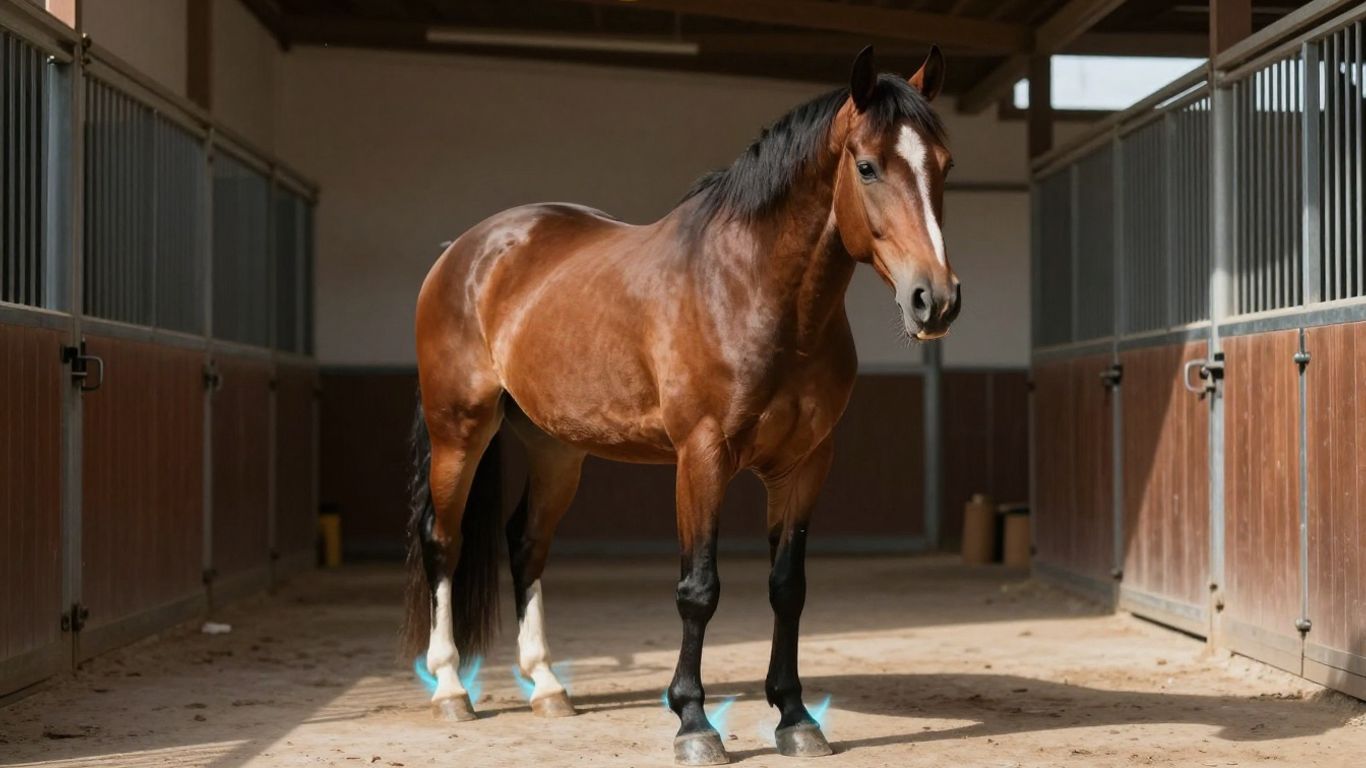
So, you’ve got a horse, and you want the best for them. That’s pretty standard. We all want our horses to feel good, perform well, and just generally be happy. Lately, you might have heard about PEMF therapy. It sounds a bit sci-fi, but it’s actually a pretty interesting way to help horses. This guide is all about PEMF for horses, breaking down what it is, how it works, and why it might be a good addition to your horse’s care routine. We’ll look at everything from helping them recover after a tough workout to dealing with common issues, and even how to pick the right gear.
Key Takeaways
- PEMF therapy uses magnetic fields to help cells work better, which can help horses feel better and recover faster.
- It’s not just for injuries; PEMF for horses can also help with athletic performance and general well-being.
- When looking at PEMF devices, think about what your horse needs and what the machine can do.
- PEMF is a good add-on therapy, but it doesn’t replace your vet’s advice or care.
- Getting some training on how to use PEMF devices properly can make a big difference in the results you see.
Understanding PEMF For Horses: The Science Behind The Therapy
Unlocking Cellular Wellness With PEMF Systems
Think of your horse’s cells like tiny powerhouses. They need a good electrical charge to do their jobs right, like taking in nutrients and getting rid of waste. Pulsed Electromagnetic Field (PEMF) therapy works by gently encouraging these cells to maintain a healthy electrical charge, often called cellular voltage. When this voltage drops, cells don’t work as efficiently, which can lead to all sorts of problems. PEMF systems send out specific magnetic pulses that help ‘recharge’ these cells, making them more effective at their jobs. It’s like giving each cell a little boost to keep everything running smoothly.
How PEMF Enhances Cellular Function
PEMF therapy influences cellular function in a few key ways. Primarily, it helps to improve the permeability of cell membranes. Imagine these membranes as doors for your cells; PEMF helps these doors open and close more effectively. This means nutrients can get into the cell more easily, and waste products, like lactic acid after a hard workout, can be removed faster. This improved exchange is vital for cell health and recovery. It also plays a role in stimulating cellular repair processes and can help reduce inflammation at the cellular level, which is a common cause of discomfort and delayed healing in horses.
The Science of Pulsed Electromagnetic Fields
Pulsed Electromagnetic Fields are not a new concept; they’ve been studied for decades. The basic idea is that by applying specific frequencies and intensities of magnetic pulses, we can interact with the body’s natural electrical and biological processes. These fields are designed to penetrate tissues and reach cells deep within the body. Unlike static magnets, PEMF devices deliver pulsed energy, meaning the field is turned on and off in a controlled pattern. This pulsing action is thought to be more effective in stimulating cellular activity and promoting healing responses. The precise parameters of the pulse – its strength, duration, and frequency – are what allow PEMF to be tailored for different therapeutic effects.
Maximizing Equine Performance And Recovery With PEMF
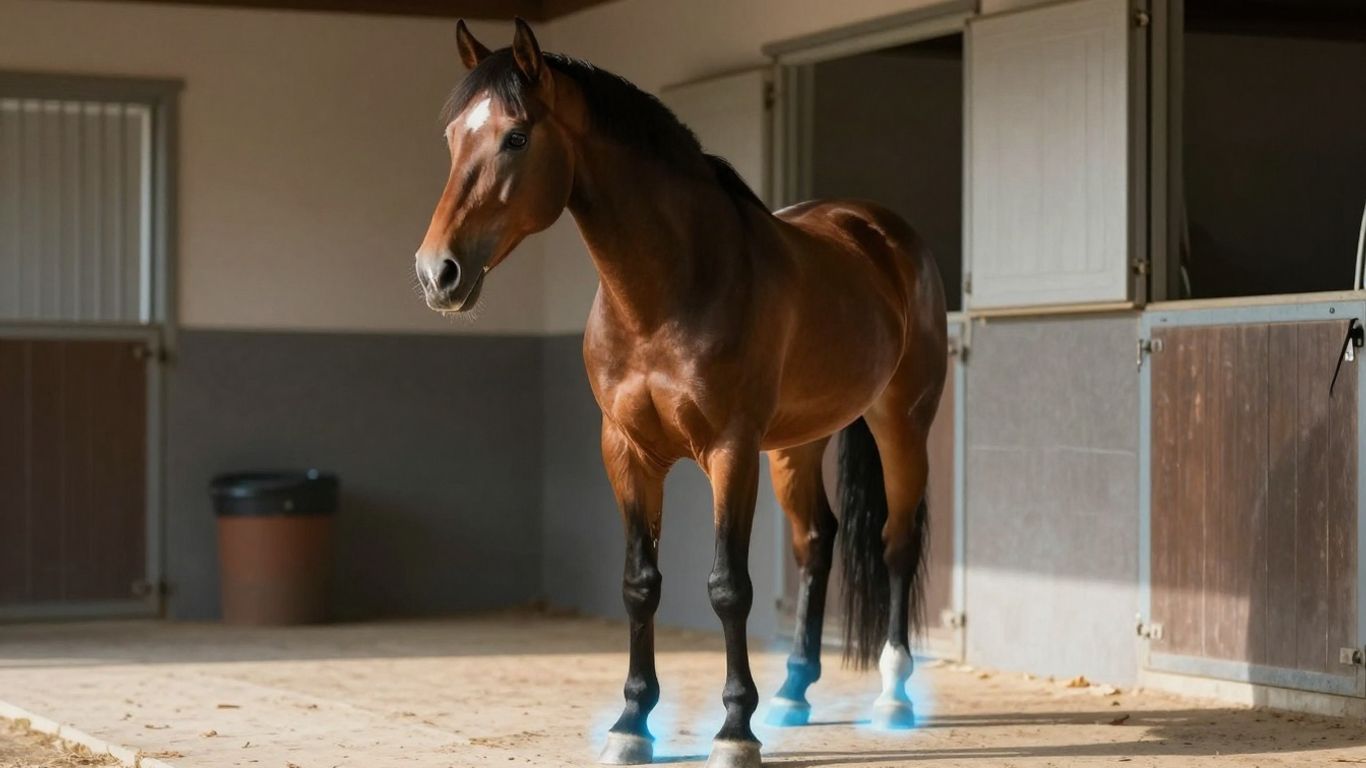
When you’ve got a horse that’s working hard, whether it’s for competition or just enjoying a good trail ride, their body takes a beating. Proper recovery isn’t just a nice-to-have; it’s absolutely necessary for them to keep performing their best and feeling good. This is where Pulsed Electromagnetic Field (PEMF) therapy really shines.
Enhancing Athletic Performance Through PEMF
Think about what happens during intense training. Muscles get worked, and while that’s good, it also leads to fatigue and can create tiny tears. PEMF therapy helps by increasing blood flow to these areas. More circulation means more oxygen and nutrients get delivered right where they’re needed, and waste products like lactic acid are cleared out faster. This cellular-level work helps muscles function more efficiently, potentially leading to better stamina and power output. It’s like giving your horse’s cells a tune-up so they can handle the demands placed on them.
Accelerating Recovery After Rigorous Training
After a tough workout or competition, your horse needs time to bounce back. PEMF can significantly speed up this process. By promoting cellular repair and reducing inflammation, it helps the body heal itself more quickly. This means less downtime and a faster return to peak condition. The goal is to get your horse feeling like themselves again, faster. Instead of waiting days for soreness to subside, PEMF can help reduce that recovery window, allowing for more consistent training and performance. It’s a non-invasive way to support the body’s natural healing mechanisms.
Supporting Muscle Health and Reducing Soreness
Muscle soreness is a common issue for athletic horses. PEMF therapy works at the cellular level to improve cell function and reduce inflammation, which are key factors in muscle discomfort. By improving the cell’s ability to exchange nutrients and waste, it helps prevent the buildup of substances that cause that achy feeling. This can lead to more comfortable movement and a happier horse. It’s about keeping those muscles supple and ready for action, not stiff and sore.
Here’s a quick look at how PEMF supports muscle recovery:
- Increased Circulation: Delivers more oxygen and nutrients to muscle tissue.
- Reduced Inflammation: Helps calm down the inflammatory response after exertion.
- Waste Removal: Aids in clearing metabolic byproducts like lactic acid.
- Cellular Repair: Supports the body’s natural processes for mending muscle fibers.
PEMF therapy is not a magic bullet, but it’s a powerful tool that works with your horse’s body. It supports the natural processes that lead to better performance and quicker recovery. When used consistently, it can make a noticeable difference in how your horse feels and performs, especially after demanding activities. It’s a smart way to invest in your horse’s athletic future and overall comfort. You can find more information on PEMF therapy benefits for horses.
Integrating PEMF into your horse’s care routine can be a game-changer for their athletic career and general well-being. It’s about proactive care that keeps them feeling their best, ready for whatever you ask of them.
Addressing Common Equine Ailments With PEMF Therapy
Relief for Joint and Soft Tissue Injuries
When your horse experiences an injury, whether it’s a sprain, strain, or a more involved soft tissue issue, the healing process can be slow and frustrating. PEMF therapy can lend a hand here by encouraging better circulation to the injured area. This increased blood flow helps bring in the necessary nutrients for repair and carries away waste products that can slow down healing. It’s like giving the body’s natural repair crew a supercharged delivery service. The pulsed electromagnetic fields work at a cellular level to support the body’s own healing mechanisms. This can mean less time spent on the sidelines and a quicker return to comfortable movement.
Managing Lameness and Laminitis
Lameness and laminitis are two conditions that can significantly impact a horse’s quality of life. While PEMF therapy isn’t a magic cure, it can be a supportive tool in managing these challenging issues. For lameness, it can help reduce inflammation and discomfort associated with joint or soft tissue problems. In cases of laminitis, where circulation to the hoof is compromised, PEMF may help improve blood flow, potentially easing some of the associated pain and supporting the hoof’s recovery. It’s about providing a more comfortable environment for healing to occur.
Supporting Bone Health and Fractures
Bone injuries, from hairline fractures to more significant breaks, require a robust healing response. PEMF therapy has shown promise in supporting bone repair. The electromagnetic pulses can stimulate osteoblasts, the cells responsible for building new bone tissue. This can potentially speed up the healing process and improve the quality of the bone that forms. Think of it as giving the bone-building cells a gentle nudge to get to work more efficiently. While it won’t replace the need for proper veterinary care and immobilization, it can be a valuable addition to the recovery plan.
PEMF therapy works by introducing specific electromagnetic frequencies to the body. These frequencies interact with the cells, promoting a more favorable environment for healing and reducing inflammation. It’s a non-invasive approach that supports the body’s natural processes rather than overriding them.
The Holistic Approach: PEMF For Overall Equine Well-being
Boosting Immunity and Cellular Voltage
PEMF therapy works on a cellular level, and that’s where a lot of its broader benefits come into play. Think of each cell in your horse’s body like a tiny battery. PEMF helps to recharge these batteries, increasing their voltage. When cells have a higher voltage, they function better. This means they can take in nutrients more efficiently and get rid of waste products more effectively. It’s like opening up the windows in a stuffy room for fresh air. This improved cellular function is directly linked to a stronger immune system. A healthier cellular environment is less welcoming to illness. It helps keep the body in a more balanced state, making it more resilient.
Behavioral and Stress-Related Issue Support
Sometimes, a horse’s behavior can be a sign that something isn’t quite right internally. Stress, anxiety, or even discomfort can manifest in ways that are hard to pinpoint. PEMF therapy can offer a gentle way to help manage these issues. By promoting relaxation and reducing underlying discomfort, it can lead to a calmer, more settled horse. This isn’t about sedating the animal; it’s about addressing potential physical or cellular imbalances that might be contributing to stress or agitation. A horse that feels better physically is often a happier, more well-behaved horse.
Promoting General Health and Vitality
Beyond specific issues, PEMF therapy contributes to a horse’s overall sense of well-being. It supports the body’s natural processes, helping to maintain good circulation, reduce inflammation, and improve cellular communication. This can translate into a horse that has more energy, recovers more quickly from exertion, and generally seems more vibrant. It’s about supporting the horse’s body so it can do what it does best, whether that’s performing in the arena or simply enjoying a peaceful day in the pasture. PEMF therapy is a tool that supports the horse’s innate ability to heal and thrive.
- Improved cellular energy production
- Better nutrient uptake and waste removal
- Support for the body’s natural repair mechanisms
- Reduced inflammation throughout the body
When considering PEMF for your horse, remember it’s part of a bigger picture. Good nutrition, appropriate exercise, and regular veterinary check-ups are still the cornerstones of equine health. PEMF works best when it complements these established practices, offering an additional layer of support for your horse’s well-being.
Choosing The Right PEMF Device For Your Horse
So, you’re thinking about getting a PEMF device for your horse. That’s great! It can be a real game-changer for their well-being. But with so many options out there, how do you pick the right one? It’s not just about grabbing the first machine you see. You need to think about what you actually want to achieve with it.
Understanding Different PEMF Machine Applications
PEMF machines aren’t all built the same. Some are designed for general wellness, while others are more specialized. You’ve got machines that are great for targeting specific areas, like a sore leg, and others that are better for full-body treatments. Think about whether you’ll be using it for everyday muscle soreness, recovery after a tough competition, or maybe for helping with a chronic issue. Portable units are fantastic if you travel a lot or want to treat your horse at home, while larger, more powerful units might be better suited for a barn or clinic setting where you’re treating multiple horses or dealing with more serious conditions.
Tailoring Treatments to Specific Needs
This is where it gets really interesting. Your horse is an individual, right? They have their own quirks, their own physical demands, and their own health concerns. A device that works wonders for a racehorse might be overkill for a pleasure trail horse. You’ll want a machine that allows you to adjust things like intensity and frequency. This way, you can fine-tune the treatment to your horse’s specific needs. For instance, a young, healthy horse might need a different approach than an older horse with arthritis.
Here’s a quick look at some general application types:
- General Wellness: For boosting overall health and vitality.
- Performance Recovery: To help muscles bounce back after strenuous activity.
- Injury Support: For aiding in the healing of soft tissue or bone issues.
- Pain Management: To help alleviate discomfort from various conditions.
The Importance of Device Features for Horses
When you’re looking at devices, pay attention to a few key things. First, consider the size and weight, especially if you plan on moving it around. A heavy, bulky machine can be a real pain to handle. Second, look at the ease of use. Is the control panel straightforward? Can you easily set up different programs? Some machines come with pre-set programs for common equine issues, which can be super helpful when you’re starting out. Also, think about the types of applicators it comes with. Do they seem like they’ll fit comfortably on your horse’s body parts? Some applicators are designed to wrap around legs, while others are flat pads for larger areas. The goal is to find a device that is effective, user-friendly, and safe for your equine partner.
Choosing the right PEMF device is a bit like picking the right saddle or bridle. It needs to fit your horse, fit your needs, and be something you can use consistently. Don’t be afraid to ask questions and do your research. Your horse will thank you for it.
Integrating PEMF Into Your Equine Care Routine

So, you’ve learned about what PEMF therapy can do for your horse, from helping with injuries to just generally making them feel better. That’s great! But how do you actually fit it into your regular horse care schedule? It’s not like you can just zap them for five minutes and call it a day. There’s a bit more to it, and it’s important to do it right.
Complementary Therapy: Not a Replacement for Veterinary Care
First off, and this is a big one, PEMF therapy is a supportive treatment. It’s not meant to replace your veterinarian. Think of it like this: if your horse has a serious injury or illness, you call the vet. PEMF can be a fantastic addition to the vet’s plan, helping with recovery and comfort, but it doesn’t replace their diagnosis and treatment. Always keep your vet in the loop about any therapies you’re using.
It’s always best to discuss incorporating PEMF with your veterinarian. They can help you understand how it might fit with your horse’s specific health needs and any current treatments they might be receiving. This collaborative approach ensures your horse gets the most well-rounded care possible.
Best Practices for PEMF Sessions
Getting the most out of PEMF sessions involves a few key things. Consistency is usually more effective than sporadic use. Many owners find success by scheduling regular sessions, perhaps a few times a week, depending on the horse’s needs and the goals of the therapy.
Here are some pointers for making your PEMF sessions count:
- Quiet Environment: Try to conduct sessions in a calm, quiet space where your horse feels relaxed. This could be their stall or a familiar turnout area.
- Proper Placement: Make sure the PEMF applicators are placed correctly on the horse’s body, following the manufacturer’s guidelines or advice from a certified practitioner. Incorrect placement might not yield the best results.
- Session Duration: Pay attention to recommended session times. Too short might not be effective, and too long could be unnecessary. Most sessions range from 15 to 30 minutes.
- Observe Your Horse: Always watch your horse’s body language during a session. If they seem stressed or uncomfortable, stop the session and reassess.
The Role of Hydration and Movement Post-Treatment
What happens after the PEMF session is just as important as the session itself. Proper hydration is key to helping the body process the effects of the therapy. Think of PEMF as helping to get things moving at a cellular level; water is the medium that carries nutrients and flushes out waste products. So, make sure your horse has access to fresh, clean water before, during, and after their PEMF treatment.
Gentle movement is also beneficial. After a session, a short, calm walk or some light turnout can help the horse integrate the therapy’s effects. It encourages circulation and can help prevent any temporary stiffness that might occur. Avoid strenuous activity immediately after a session, allowing the horse’s body to adjust.
Education and Certification In PEMF For Horses
Comprehensive PEMF Training Programs
Getting properly trained in PEMF therapy for horses is a smart move. It’s not just about buying a machine and pointing it at your horse. You need to know what you’re doing, really. There are programs out there that cover the basics of how PEMF works, not just for horses but generally too. They’ll explain the science behind it in a way that makes sense, so you’re not just guessing. You learn about the different settings, how to use the equipment safely, and what kind of results you might expect. It’s about building a solid foundation so you can use the therapy effectively.
Animal PEMF Certification Courses
When you’re ready to focus specifically on animals, especially horses, an animal PEMF certification course is the way to go. These courses get into the nitty-gritty of equine anatomy and how their bodies work. You’ll learn specific protocols for different issues, like helping with sore muscles after a hard ride or supporting recovery from an injury. It’s about understanding how to tailor the PEMF sessions to your horse’s unique needs. You’ll also cover practical stuff, like how to handle potential reactions and keep your equipment in good shape. It’s a step up from general training, making you more confident in your abilities with horses.
Becoming a Certified PEMF Professional
If you’re thinking about offering PEMF services to other horse owners, getting certified as a professional is a good idea. It shows you’ve met a certain standard and have the knowledge to back it up. Some programs even help you get listed on directories, so people looking for PEMF help can find you. This isn’t just about getting a certificate; it’s about building trust and credibility in the field. It means you’re committed to providing quality care and understand the responsibilities that come with it. It can really help grow your practice or service.
Here’s a quick look at what you might cover in a good certification program:
- Understanding PEMF wave forms and frequencies.
- Equine anatomy and common issues treated with PEMF.
- Session planning and application techniques.
- Safety protocols and contraindications.
- Record keeping and client communication.
Proper education and certification mean you’re not just using a tool; you’re applying a therapeutic modality with knowledge and care. It’s about responsible practice and getting the best outcomes for the horses you work with.
Wrapping Up Your Horse’s Wellness Journey
So, we’ve talked a lot about how PEMF therapy can really help your horse. It’s not some magic bullet, of course, but it seems like a solid way to support their recovery and keep them feeling good, especially after hard work. Think of it as another tool in your horse care toolbox, alongside good vet care and proper nutrition. Many owners find it makes a real difference in their horse’s comfort and ability to bounce back. If you’re looking for ways to give your equine partner that extra bit of support for a happier, healthier life, PEMF is definitely worth looking into further. It’s all about giving them the best chance to feel their best.
Frequently Asked Questions
What exactly is PEMF therapy for horses?
PEMF stands for Pulsed Electromagnetic Field therapy. Think of it like a gentle, natural energy boost for your horse’s cells. It uses special magnetic fields that pulse on and off to help the body heal and feel better, kind of like how sunlight helps plants grow.
How does PEMF help my horse’s muscles and recovery?
When horses work hard, their muscles can get sore. PEMF therapy helps increase blood flow to these tired muscles, bringing them more oxygen and nutrients. It also helps clear out waste products that cause soreness, making recovery faster and helping them feel less stiff.
Can PEMF help with injuries or lameness?
Yes, it can! PEMF is often used to help speed up healing for injuries like sprains or strains. It can also help manage pain and swelling associated with conditions like lameness or arthritis, making your horse more comfortable.
Is PEMF safe for all horses?
PEMF is generally very safe and non-invasive. It doesn’t involve drugs or surgery. However, it’s always a good idea to talk to your veterinarian before starting any new therapy, especially if your horse has specific health issues or is pregnant.
How often should my horse receive PEMF treatment?
The number of sessions really depends on your horse’s needs. Some horses might benefit from daily treatments, while others might only need them a few times a week or month. Your vet or a certified PEMF practitioner can help you figure out the best plan.
Do I need special training to use a PEMF device on my horse?
While some PEMF devices are designed for easy home use, getting proper training is highly recommended. Learning the right techniques, understanding how to adjust settings, and knowing what to look for ensures you’re using the device safely and effectively for your horse’s benefit.
Leave a Reply