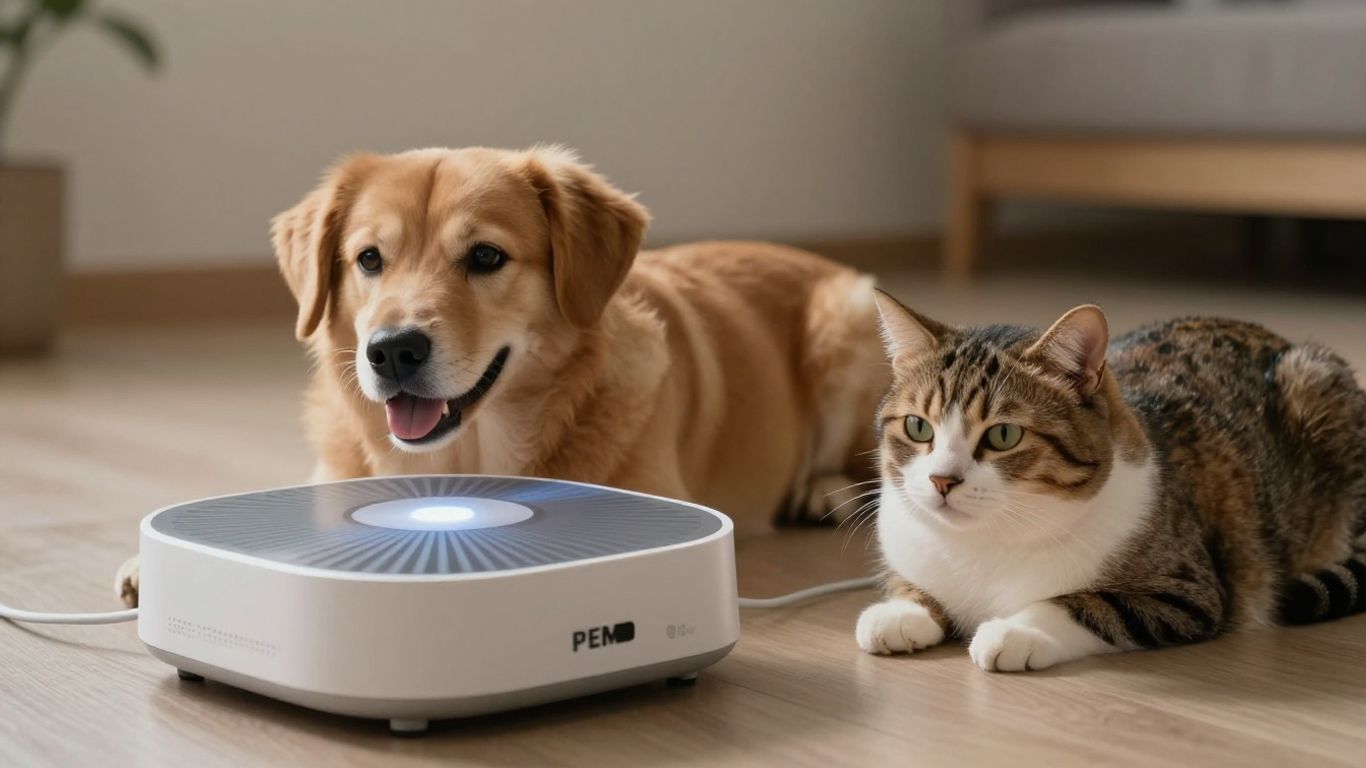
Thinking about new ways to help your furry friend feel their best? You might have heard about Pets PEMF therapy. It’s a method that uses special magnetic fields to help animals. This article is all about what Pets PEMF is, how it works, and why it could be a good option for your pet’s health. We’ll cover the basics, different programs available, and how to use it safely. Let’s explore how this therapy can support your pet’s well-being.
Key Takeaways
- Pets PEMF therapy uses pulsed electromagnetic fields to help animals with pain, stress, and healing.
- There are specific programs, like Harmony for relaxation and Recovery for pain, tailored to your pet’s needs.
- This therapy is non-invasive and drug-free, with a history of safe use in millions of treatments.
- When choosing a device, consider its features, how easy it is to use at home, and how long it will last.
- Pets PEMF can be used alongside other treatments to support your pet’s overall health, whether they are active or getting older.
Understanding Pets Pemf Therapy
What is Pulsed Electromagnetic Field Therapy?
Pulsed Electromagnetic Field (PEMF) therapy is a pretty neat approach to helping our animal companions feel better. Basically, it uses low-frequency electromagnetic pulses to get into the body and encourage cells to do their thing. Think of it like a gentle nudge for your pet’s natural healing processes. It’s a non-invasive method, meaning no needles or surgery involved, which is always a plus when dealing with our furry friends. This therapy has been around for a while, with a solid history of use, especially in veterinary medicine. It’s designed to work with the body’s own electrical and chemical processes, aiming to reduce inflammation and promote healing. It’s a technology that’s now becoming more accessible for home use, which is fantastic for pet parents looking for supportive care options.
The Science Behind Pets Pemf
So, how does this actually work? The science behind PEMF therapy is rooted in the idea that our pets’ bodies are essentially electrochemical organs. This means they respond to electromagnetic frequencies. When a PEMF device is used, it sends these gentle pulses into the body. These pulses are thought to stimulate cellular activity, improve blood circulation, and reduce inflammation. It’s not magic; it’s about supporting the body’s natural functions. The frequencies and intensities used are based on research, aiming to match the body’s own natural frequencies to encourage a therapeutic effect. It’s a way to give your pet’s cells a little boost to help them function better and heal more effectively. The goal is to get cells working optimally, which can lead to a variety of positive outcomes for your pet’s health.
Benefits of Pets Pemf for Animal Wellness
The benefits of using PEMF therapy for pets are pretty varied. One of the main advantages is its ability to help with pain and inflammation. Many pets, especially older ones, suffer from conditions like arthritis, and PEMF can offer some relief without the need for drugs. It’s also known to help with recovery after injuries or surgery, speeding up the healing process. Beyond the physical, PEMF can also have a positive impact on emotional well-being. It can help calm anxious pets and promote relaxation, which is great for stress relief.
Here are some key areas where PEMF can make a difference:
- Pain Management: Helps alleviate discomfort from arthritis, joint issues, and general aches.
- Inflammation Reduction: Assists in calming down swelling and irritation in tissues.
- Wound Healing: Supports the body’s natural repair mechanisms for faster recovery.
- Stress and Anxiety Relief: Promotes a sense of calm and well-being.
- Mobility Support: Can help pets move more comfortably, especially those with joint problems.
PEMF therapy is a non-invasive, drug-free option that works by stimulating cellular repair and function. It’s a gentle way to support your pet’s overall health and comfort, making it a great addition to their regular care routine. Many veterinarians are now recommending it as a complementary therapy. PEMF therapy offers a non-invasive solution for pet pain.
Exploring Pets Pemf Programs
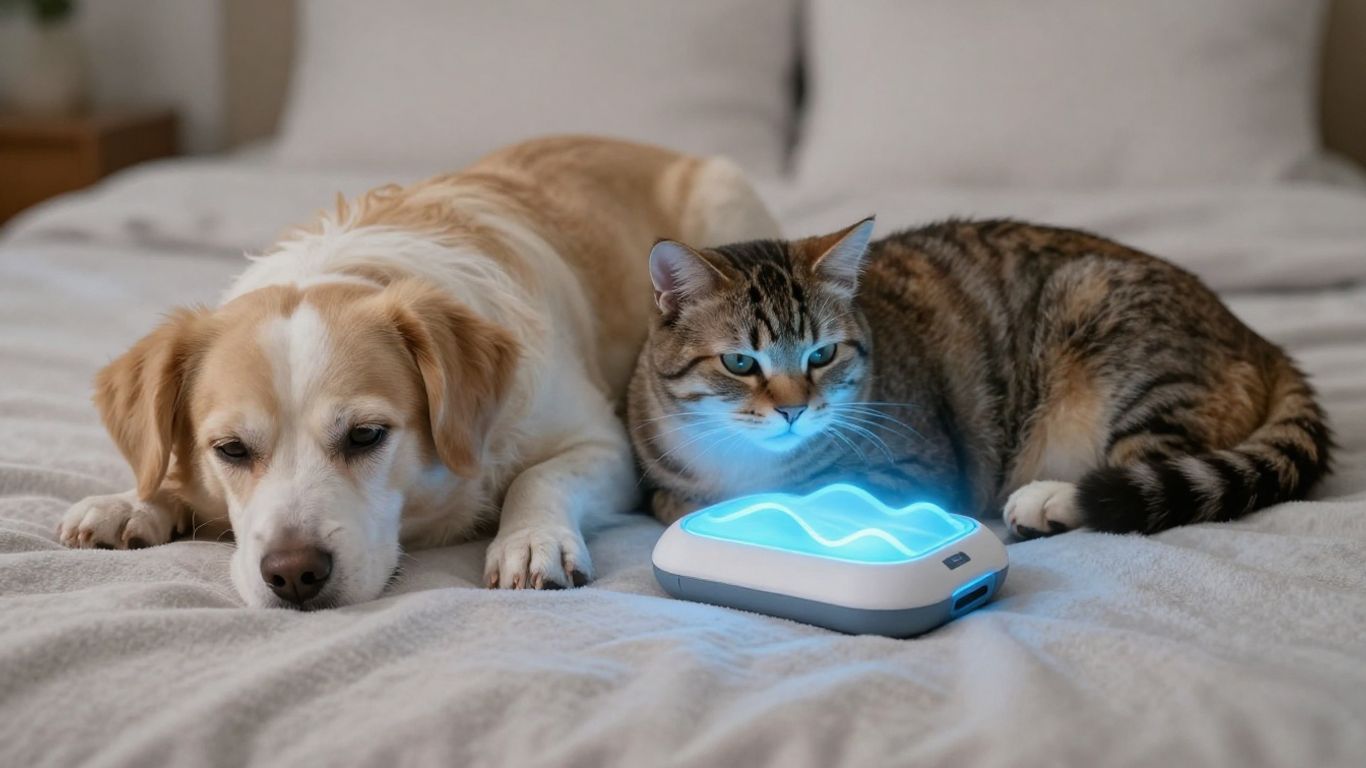
When you’re looking into PEMF therapy for your pet, you’ll find that different programs are designed to target specific needs. It’s not just a one-size-fits-all situation. Think of it like choosing the right setting on a massage chair – you want the one that feels best for what you’re trying to achieve. These programs use specific frequencies and intensities to get the job done.
Harmony Program for Relaxation and Stress Relief
This program is all about helping your pet chill out. It uses a gentle, low frequency, specifically around 25 Hz. This frequency is thought to help calm the nervous system, which is great for pets who get anxious or stressed easily. Maybe your dog gets nervous during thunderstorms, or your cat hides when guests come over. The Harmony program aims to support that feeling of calm. It’s designed to engage the parasympathetic nervous system, promoting a sense of peace. It’s also recommended for use on the neck area to help stimulate the vagus nerve, which plays a big role in relaxation.
Recovery Program for Pain and Healing
If your pet is dealing with discomfort or recovering from an injury, the Recovery program is the one to consider. This program is a bit more complex, using a combination of frequencies. It often alternates between frequencies like 50.6 Hz and 15.2 Hz, or sometimes 15.2 Hz and 40.5 Hz. This mix is intended to provide a more robust treatment for pain and to support the body’s natural healing processes. It’s a non-pharmaceutical way to help manage inflammation and discomfort, which is a big plus for many pet owners. This approach can be a good addition to other treatments your vet might recommend, offering a complementary way to support your pet’s healing journey. You can find devices that offer this kind of support for your pet’s well-being here.
Tailored Frequencies for Specific Needs
Beyond the general Harmony and Recovery programs, some PEMF devices allow for more customized settings. This means you might be able to select frequencies that are specifically researched for certain conditions or types of issues your pet might be facing. While pre-set programs are convenient, the ability to fine-tune the frequency can be beneficial for addressing unique health challenges. It’s always a good idea to talk with your veterinarian or a pet wellness professional about what frequencies might be most appropriate for your individual pet’s situation. They can help guide you on how to best use these tools as part of a broader care plan.
PEMF therapy for pets is a growing field, and understanding the different programs available can help you make informed choices for your animal’s health. Each program is built on specific scientific principles to address different aspects of your pet’s well-being, from stress reduction to physical recovery.
Safety and Usage of Pets Pemf Devices
Non-Invasive and Drug-Free Approach
Pulsed Electromagnetic Field (PEMF) therapy for pets is a really gentle way to help them feel better. It uses low-frequency electromagnetic fields, which are totally non-invasive and don’t involve any drugs. This means no needles, no pills, and no harsh chemicals. It’s a natural approach that works with your pet’s body. This therapy has a long history of clinical use, with millions of treatments administered without any reported side effects. It’s designed to be safe and comfortable for your furry friends, whether they’re dealing with everyday stress or more serious issues. You can use it alongside other treatments, too, which is a big plus for a lot of pet owners.
FDA Approval and Clinical History
It’s good to know that PEMF devices have a solid background. The U.S. Food and Drug Administration (FDA) has approved PEMF technology for certain uses, like treating non-union fractures. It’s also cleared for helping with post-operative pain and swelling, and osteoarthritis. This isn’t some brand-new, untested idea. The technology has been around and used in clinical settings for a while, accumulating a significant track record. This history shows a consistent pattern of safe application and positive outcomes for both humans and animals. It’s reassuring to use a therapy that has this level of backing and a proven history.
Guidelines for Safe Application
Using your Pets PEMF device is pretty straightforward, but there are a few things to keep in mind to make sure it’s as effective and safe as possible. Always keep the user guide for your Petspemf device handy and refer to it often. For optimal use, it is recommended that your pet is in a resting position while the device is in operation. Here are some general guidelines:
- Placement: Position the device so your pet can comfortably lie on or interact with it. For pads, ensure it’s flat and stable.
- Duration: Follow the recommended session times. While many devices are designed for extended use, starting with shorter sessions and gradually increasing can be helpful.
- Monitoring: While the devices are designed to be safe, it’s always a good idea to observe your pet during sessions, especially when first starting.
- Contraindications: Do not use PEMF devices near individuals or animals with implanted medical devices like pacemakers, cochlear implants, or mechanical heart valves. Maintain a distance of at least 30 cm (12 inches) from such devices when the PEMF unit is active.
Always consult with your veterinarian before starting any new therapy, including PEMF, to ensure it’s the right choice for your pet’s specific health needs and conditions. They can help you integrate it safely into your pet’s overall care plan.
Choosing the Right Pets Pemf Device
So, you’ve decided PEMF therapy is the way to go for your furry friend. That’s great! But now comes the big question: which device is the right fit? It can feel a bit overwhelming with all the options out there, but let’s break it down.
Comparing Device Features
When you’re looking at different PEMF devices, it’s not just about the fancy name. You want to compare what they actually do. Some devices are designed for just one spot, like a specific sore joint. Others, like the Petspemf Pad, are built to cover the whole body with multiple coils. This can be a big deal if your pet has issues in more than one area or just needs general wellness support. Also, think about the intensity and frequencies the device uses. These should ideally be backed by scientific studies, not just marketing claims. You’ll want to see if the device offers specific programs for different needs, like relaxation or recovery.
Ease of Use for Home Application
Let’s be real, we want this to be simple. Nobody wants to spend more time fiddling with a device than actually helping their pet. Some PEMF machines require you to constantly watch your pet to make sure they don’t chew on cords or get tangled. That sounds like a headache. Devices designed for home use should be pretty hands-off. Think about things like:
- Cordless operation: No tripping hazards or chewing temptations.
- Durable materials: Pets can be rough, so the device needs to withstand a bit of wear and tear.
- Simple controls: Whether it’s an app or a few buttons, it shouldn’t require a degree to operate.
- Easy cleaning: Accidents happen, so a waterproof or wipeable surface is a plus.
The goal is a device that integrates smoothly into your routine, not one that adds stress.
Durability and Maintenance
This ties into ease of use, but it’s worth its own point. You’re investing in your pet’s health, so you want a device that lasts. Look for devices made with sturdy, pet-safe materials. Some pads are designed to be chewed on or scratched without damage, which is a huge plus. Maintenance should be minimal. Rechargeable batteries are usually better than devices with a limited number of treatments or replaceable batteries that add ongoing costs. A device that’s easy to clean and doesn’t require frequent repairs will save you time and money in the long run. It’s also good to know if the company offers good customer support, just in case. One customer reported that a pad significantly reduced their pet’s discomfort and inflammation, leading to a return to normal behavior. They also praised the excellent customer support [f6d2].
When choosing a PEMF device, consider the overall design and how it will fit into your pet’s life and your home. A well-designed device is safe, durable, and easy to manage, allowing you to focus on your pet’s well-being without added complications.
Integrating Pets Pemf into Your Pet’s Care
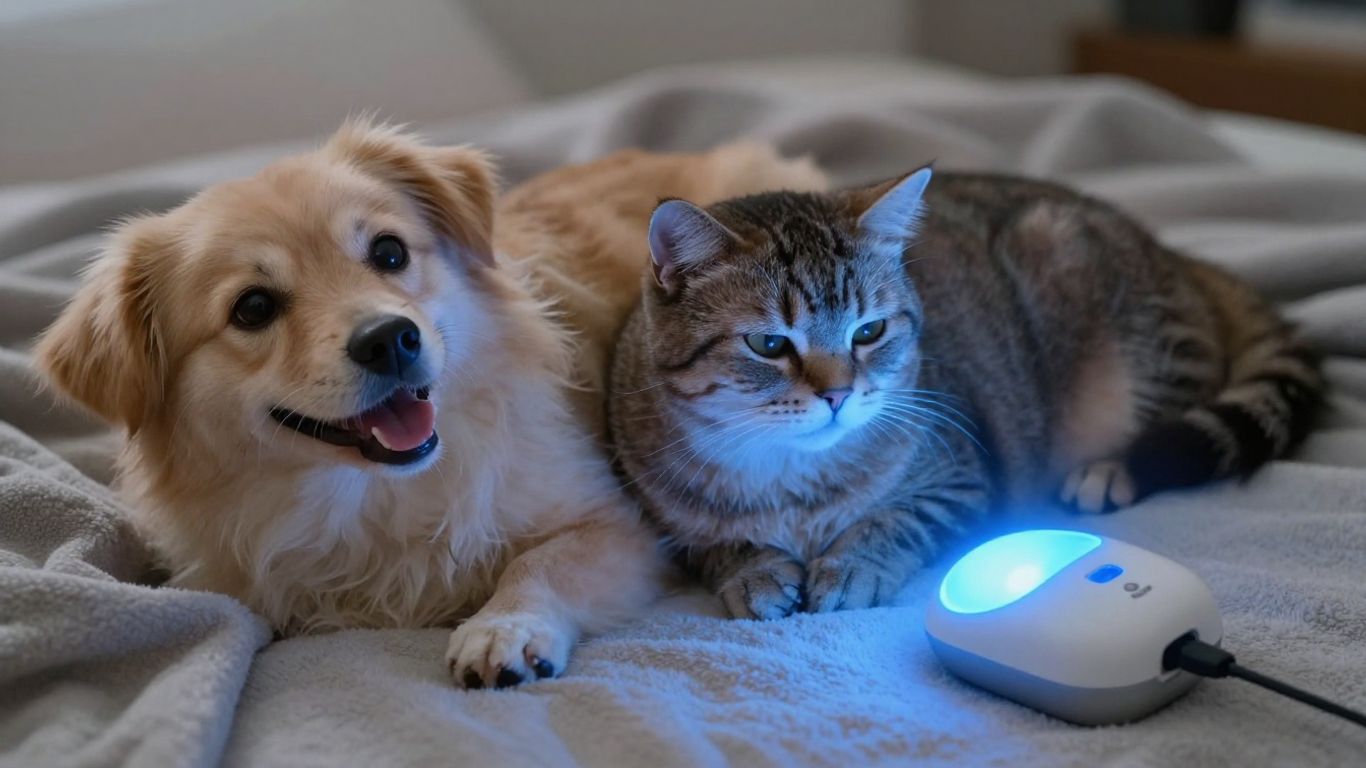
So, you’ve got a PEMF device for your pet, and you’re wondering how to best weave it into their daily life. It’s not just for big emergencies or after a surgery, you know. Think of it as another tool in your pet wellness toolbox, like a good brush or a healthy diet. PEMF therapy can work alongside other treatments your vet might recommend, and it’s great for keeping both active pups and chill senior pets feeling their best.
Complementary to Other Treatments
One of the really neat things about PEMF is that it plays well with others. It’s not an either/or situation. Whether your pet is dealing with arthritis, recovering from an injury, or managing a chronic condition, PEMF can be a supportive addition. It’s a non-invasive, drug-free option that can help reduce inflammation and promote healing, potentially making other therapies more effective. Many vets are finding that combining PEMF with things like physical therapy or even certain medications can lead to better outcomes for their patients. It’s all about giving your pet the best chance to feel good.
PEMF therapy is a versatile tool that can be used alongside conventional veterinary treatments to support your pet’s recovery and overall comfort. Its ability to promote circulation and reduce inflammation makes it a valuable adjunct therapy.
Supporting Active and Senior Pets
Active pets, like working dogs or those who love to hike and play, can benefit from PEMF too. It can help with muscle recovery after strenuous activity and keep joints limber. For our older companions, PEMF can be a game-changer. It can help ease the stiffness and discomfort that comes with age, improving their mobility and quality of life. Imagine your senior dog being able to get up and down more easily or your older cat enjoying a good stretch without wincing. That’s the kind of difference PEMF can make. For active pets, consider looking into PEMF therapy for dogs to aid their performance and recovery.
Enhancing Neurological and Emotional Health
Beyond the physical, PEMF therapy also has a positive impact on your pet’s mind and emotions. The Harmony program, for instance, uses specific frequencies to engage the parasympathetic nervous system. This is the system that helps your pet relax and de-stress. It’s fantastic for pets who get anxious, are nervous around new people or situations, or just need a little help winding down after a busy day. By promoting a sense of calm, PEMF can help improve your pet’s overall emotional balance and well-being. It’s a gentle way to support their mental state, making them a happier, more content companion.
Here’s a quick look at how different programs can help:
- Harmony Program: Focuses on relaxation and stress relief by stimulating the vagus nerve.
- Recovery Program: Combines frequencies to aid in pain relief and accelerate healing from injuries or surgeries.
- General Wellness: Can be used regularly to maintain overall comfort and mobility for pets of all ages.
Wrapping Up Your Pet’s Wellness Journey
So, we’ve talked about how PEMF therapy can be a real game-changer for your furry friends. It’s pretty neat that this technology, which has been around for a while and has a good safety record, is now something you can easily use at home. Whether your pet is dealing with everyday aches, feeling a bit stressed, or just needs a little boost, PEMF offers a non-drug approach. Devices like the PetLoop PRO make it simple to give your pet the benefits of this therapy, helping them live a more comfortable and happy life. It’s all about giving them the best care possible, and PEMF is definitely a tool worth considering for their overall well-being.
Frequently Asked Questions
What exactly is PEMF therapy for pets?
PEMF therapy, or Pulsed Electromagnetic Field therapy, is a way to help your pet feel better using special energy waves. Think of it like a gentle energy boost for your pet’s cells. It’s a natural, non-drug method that can help with pain, swelling, and even stress, making your pet more comfortable and happy.
How does PEMF therapy work to help my pet?
PEMF devices send out gentle pulses of electromagnetic energy. These pulses are thought to help your pet’s cells work better. This can improve blood flow, reduce swelling and pain, and help speed up the body’s natural healing process. It’s like giving your pet’s body a little nudge to get back to feeling its best.
Are PEMF devices safe for my pet?
Yes, PEMF therapy is considered very safe for pets. It’s a non-invasive treatment, meaning nothing enters the body, and it doesn’t use heat. Many pets have used PEMF devices for millions of treatments without any reported negative side effects. It’s a gentle approach to pet wellness.
Can I use PEMF therapy along with my pet’s other treatments?
Absolutely! PEMF therapy works well on its own or when used with other treatments your vet recommends. It’s a great way to support your pet’s recovery, manage pain, or reduce stress alongside other therapies like physical therapy or medication.
What’s the difference between the Harmony and Recovery programs?
The Harmony program uses a specific energy wave (25 Hz) to help calm your pet, reduce stress, and support their nervous system, kind of like a relaxation session. The Recovery program uses different energy waves (like 50.6 Hz and 15.2 Hz) to help with pain, swelling, and healing, especially after exercise or injury.
Are there any pets that shouldn’t use PEMF devices?
PEMF devices should not be used on pets who have certain medical implants, like pacemakers or cochlear implants. If your pet has one of these, it’s best to keep the device at least a foot away. Always check with your veterinarian if you have any concerns about your pet’s specific health needs.
Leave a Reply