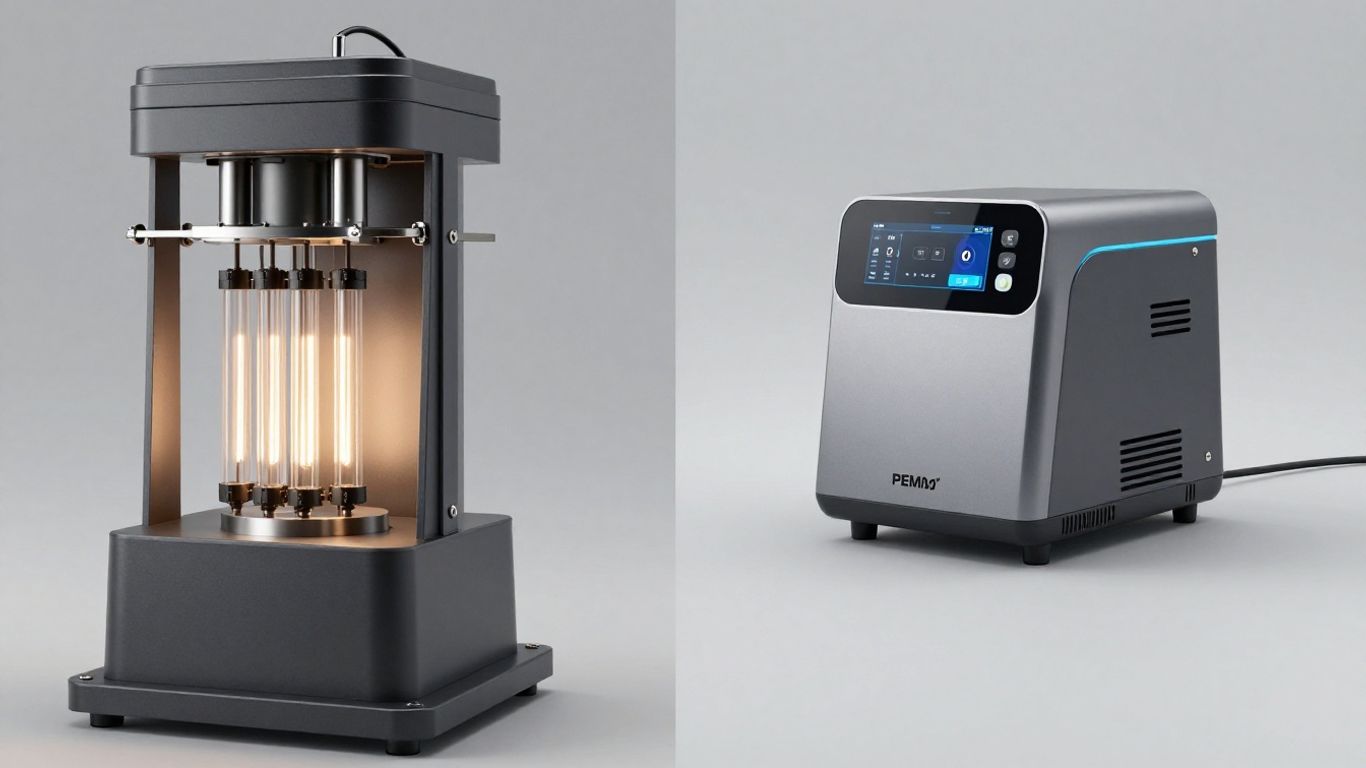
Lately, there’s been a lot of talk about different ways to use frequencies for health, and two names that keep popping up are the Rife machine and PEMF therapy. They both deal with electromagnetic fields, but they aren’t quite the same thing. It can get a little confusing trying to figure out what’s what, especially when you’re just trying to understand how they might help with aches, pains, or other issues. This article breaks down the Rife Machine Vs PEMF, looking at what they are, how they work, and what the science actually says.
Key Takeaways
- PEMF therapy uses pulsed electromagnetic fields to help cells communicate and regenerate, often used for musculoskeletal issues.
- The Rife machine, developed in the 1920s, claims to use specific frequencies to target diseased cells, but lacks scientific proof.
- While both involve frequencies, PEMF therapy has more scientific backing and regulatory approval for various conditions.
- PEMF devices come in different frequencies and intensities, suited for different issues like bone health or soft tissue inflammation.
- It’s important to consult a doctor before trying any frequency therapy and to choose certified devices, especially for PEMF.
Understanding Frequency-Based Therapies
The Principle of Electromagnetic Frequencies in Healing
So, the basic idea behind frequency-based therapies is pretty interesting. It’s built on the thought that everything in our bodies, down to our cells, has its own unique electrical vibration or frequency. Think of it like a fingerprint, but for your biology. When we’re healthy, these frequencies are supposed to be in a certain pattern. But when we get sick or injured, these patterns can get messed up. The whole point of these therapies is to use specific electromagnetic frequencies to nudge those patterns back into their healthy state, helping the body heal itself.
Rife Machine and PEMF Therapy as Frequency Modalities
When we talk about frequency therapies, two names often pop up: the Rife machine and PEMF (Pulsed Electromagnetic Field) therapy. They both use electromagnetic energy, but they go about it in different ways. The Rife machine, historically, was designed to target specific disease-causing agents with very precise frequencies. PEMF therapy, on the other hand, uses broader pulses of electromagnetic fields, often at lower frequencies, to encourage cellular repair and function across a wider area. It’s like the difference between a sniper rifle and a shotgun, in a way.
Distinguishing Between Different Forms of Frequency Therapy
It’s not just Rife and PEMF, though. The world of frequency therapy is actually quite varied. You’ve got things like sound therapy, which uses sound waves, and light therapy, which uses specific wavelengths of light. Even within PEMF, there are variations in frequency and intensity. The key thing to remember is that each type aims to interact with the body’s natural electrical signals in a particular way.
- Sound Therapy: Uses audible frequencies for relaxation and other effects.
- Light Therapy: Employs specific light wavelengths for conditions like SAD.
- Rife Machines: Historically aimed at specific pathogens with targeted frequencies.
- PEMF Therapy: Uses pulsed electromagnetic fields for cellular support and repair.
It’s important to remember that while these therapies are based on scientific principles, the specific applications and claims often vary widely. Always approach new therapies with a healthy dose of curiosity and a critical eye, and never replace conventional medical advice without consulting your doctor.
Exploring Pulsed Electromagnetic Field (PEMF) Therapy
What Constitutes Pulsed Electromagnetic Fields?
Pulsed Electromagnetic Field (PEMF) therapy uses magnetic fields that are delivered in pulses. Think of it like a gentle, rhythmic wave of energy. These fields are created by passing an electric current through coils, often made of copper or aluminum. The device controlling the current dictates how strong the magnetic field is and how often it pulses. It’s a bit different from static magnets you might see in some products; PEMF involves a dynamic, changing field.
High-Frequency vs. Low-Frequency PEMF
PEMF devices can operate at different frequencies, and this is a key distinction. Some devices use low frequencies, often paired with higher intensity fields, measured in Hertz (Hz) and Gauss (G). These are typically generated using solenoids. On the other hand, high-frequency PEMF systems use radiant circuits or antennas. These operate at much higher frequencies, measured in Megahertz (MHz), sometimes reaching up to 900 MHz, but with very low intensity, usually measured in milliwatts (mW).
Here’s a quick look at the general differences:
| Feature | Low-Frequency PEMF | High-Frequency PEMF |
|---|---|---|
| Frequency | Lower (Hz) | Higher (MHz) |
| Intensity | Higher (G) | Lower (mW) |
| Field Generator | Solenoids | Antennas/Radiant Circuits |
Mechanisms of Cellular Regeneration with PEMF
The science behind PEMF suggests it works by interacting with your body at a cellular level. The pulsed magnetic fields are thought to help restore the body’s natural biomagnetic field, which can get disrupted by injury or illness. This interaction is believed to improve the exchange of nutrients and waste products between cells, both inside and out. This process is considered beneficial for:
- Encouraging cellular repair
- Reducing inflammation
- Promoting better circulation
- Supporting overall tissue health
While the exact mechanisms are still a subject of ongoing research, the core idea is that these targeted energy pulses can encourage your body’s natural healing processes. It’s not about forcing cells to do something they wouldn’t normally do, but rather about giving them a nudge in the right direction to function optimally.
This cellular activity is what many believe contributes to PEMF’s potential benefits for pain relief and aiding recovery in various tissues.
The Rife Machine: A Historical Perspective
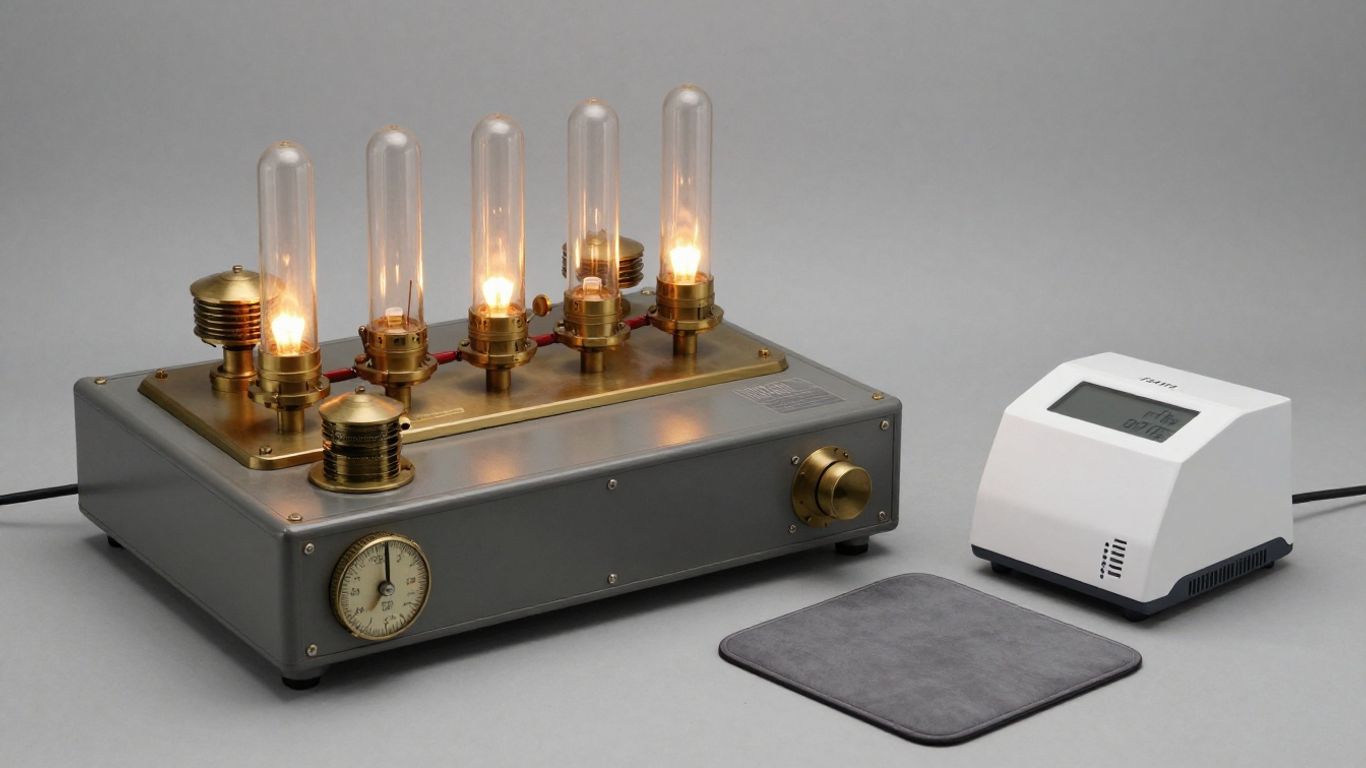
Back in the 1920s, a scientist named Royal Raymond Rife came up with a pretty interesting idea. He believed that different diseases, like cancer, had their own unique frequencies. His big invention was the Rife Machine, also known as the Rife Frequency Generator. He thought that by finding the specific frequency of a diseased cell, he could then use his machine to broadcast a matching frequency and essentially destroy that cell. It was a bold concept, especially for its time.
Origins and Development of the Rife Machine
Rife’s work was actually inspired by earlier ideas from Albert Abrams, who also thought diseases emitted certain frequencies. Rife took this a step further. He developed a special microscope, supposedly powerful enough to see tiny organisms he believed caused diseases. Then, he built his frequency generator, claiming it could pinpoint and eliminate these pathogens, including those linked to cancer. The American Medical Association, however, wasn’t convinced and actually condemned his experiments. Despite this, the idea didn’t completely disappear. Decades later, particularly in the 1990s, marketers started promoting Rife-like machines again, making big claims about curing diseases. The American Cancer Society looked into these claims and found no solid proof, stating that the waves produced were too weak to actually harm bacteria.
The Rife Machine’s Approach to Targeting Diseased Cells
The theory behind the Rife machine is that every living thing, including bacteria and diseased cells, vibrates at a specific frequency. Rife proposed that by identifying the unique frequency of a harmful cell, his machine could then emit a powerful, targeted frequency that would cause that specific cell to break apart or be destroyed. This is often referred to as a "mortal oscillatory rate." The idea was that healthy cells, vibrating at different frequencies, would be left unharmed. Treatments typically involved placing electrical pads on the hands or feet, which were connected to the machine that delivered these low-energy electrical impulses for short periods, usually a few minutes daily.
Scientific Scrutiny and Lack of Evidence for Rife Machines
Despite the intriguing historical claims, the Rife machine has faced significant scientific skepticism. The core issue is the lack of robust, peer-reviewed scientific evidence to back up its purported effectiveness, especially for serious conditions like cancer. While some laboratory studies have explored the effects of low-energy electromagnetic waves on cells, these findings haven’t translated into proven clinical success for Rife machines. The frequencies used in research often differ from those claimed by Rife device manufacturers, and the leap from a lab setting to treating human disease is substantial. Regulatory bodies like the FDA have not approved the Rife machine for any medical condition, and some individuals and clinics promoting these devices have faced legal action for making unsubstantiated health claims. It’s important to be wary of anecdotal evidence, as it doesn’t replace rigorous scientific validation.
Here’s a quick look at the historical context:
| Aspect | Details |
|---|---|
| Inventor | Royal Raymond Rife |
| Era of Invention | 1920s |
| Core Principle | Targeting diseased cells with specific electromagnetic frequencies |
| Scientific Acceptance | Largely unproven; condemned by AMA in early stages |
| Regulatory Approval | None for medical use by major bodies like the FDA |
| Modern Claims | Often promoted online for various conditions, lacking scientific backing |
When considering any alternative therapy, especially one with a controversial history like the Rife machine, it’s always best to consult with qualified healthcare professionals. Relying solely on unproven methods can be risky and may delay or interfere with conventional medical treatments that have established benefits.
Key Differences: Rife Machine Vs PEMF
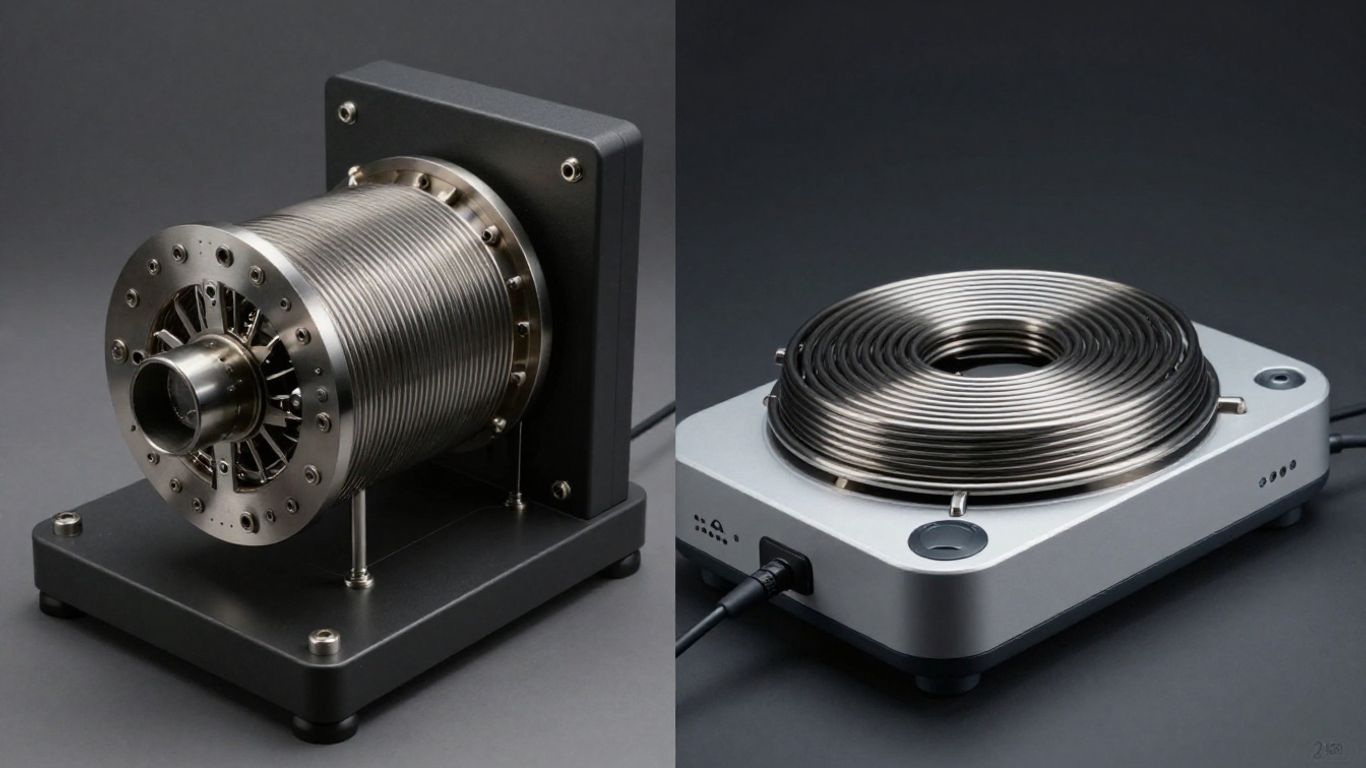
When we talk about frequency therapies, it’s easy to get them mixed up. Both Rife machines and PEMF (Pulsed Electromagnetic Field) therapy use frequencies, but they go about it in pretty different ways. It’s not just a matter of semantics; the underlying science and how they’re used are distinct.
Targeted Frequencies vs. Broad Electromagnetic Fields
The Rife machine, as conceived by Dr. Royal Rife, aimed to use very specific, high frequencies to target and destroy particular pathogens or diseased cells. The idea was that each disease had a unique ‘mortal oscillatory rate’ (MOR) that, when precisely matched and applied, would cause the target cells to break apart without harming healthy tissue. This approach is highly specific, relying on pinpointing exact frequencies.
PEMF therapy, on the other hand, uses pulsed electromagnetic fields that are generally broader in their frequency range and intensity. Instead of targeting a single pathogen, PEMF works by stimulating cellular repair and regeneration. It aims to improve the body’s natural healing processes by influencing cellular energy and communication. Think of it less like a targeted weapon and more like a general cellular energizer. The fields are pulsed, meaning they are turned on and off at set intervals, which is different from a continuous frequency.
Scientific Validation and Regulatory Approval
This is a big one. PEMF therapy has a substantial body of scientific research supporting its use for various conditions, particularly musculoskeletal issues. Many PEMF devices are recognized as medical devices and have received regulatory approval in different regions for specific therapeutic applications. This means they’ve gone through rigorous testing and evaluation.
The scientific community generally views PEMF therapy as a legitimate therapeutic modality due to the volume of clinical studies and regulatory oversight. Its mechanisms of action, related to cellular energy and repair, are more aligned with established biological principles.
For Rife machines, the situation is quite different. While Dr. Rife’s initial work was groundbreaking for its time, the scientific evidence supporting the efficacy of Rife machines, especially in the way they are often marketed today, is largely lacking or considered anecdotal by mainstream science. Many of the claims made about Rife machines are not supported by peer-reviewed research or regulatory bodies. It’s important to be aware of this distinction when considering frequency-based treatments. If you’re looking into devices, it’s wise to check for medical device certification.
Applications and Intended Uses
Because of the differences in their approach and scientific backing, their applications tend to diverge.
- PEMF Therapy: Primarily used for pain relief, reducing inflammation, accelerating bone healing, and aiding recovery from injuries. It’s often applied to musculoskeletal conditions like arthritis, fractures, and chronic pain. The goal is to support the body’s natural healing and reduce symptoms.
- Rife Machines: Often marketed for a much wider range of conditions, including infections, chronic diseases, and even cancer. The intended use is typically to eliminate specific disease-causing agents or abnormal cells through targeted frequencies.
Here’s a quick comparison:
| Feature | PEMF Therapy | Rife Machine |
|---|---|---|
| Mechanism | Cellular regeneration, energy, and communication | Targeted destruction of specific cells/pathogens |
| Frequencies | Broader, pulsed electromagnetic fields | Specific, high ‘mortal oscillatory rates’ |
| Scientific Support | Substantial, widely recognized | Limited, often anecdotal |
| Regulatory Status | Often approved medical devices | Generally not approved for medical claims |
| Primary Applications | Musculoskeletal, pain, inflammation, healing | Wide range of conditions (often unproven) |
Therapeutic Applications and Benefits
PEMF Therapy for Musculoskeletal Conditions
Pulsed Electromagnetic Field (PEMF) therapy has shown promise in helping with issues related to bones and muscles. Think about things like broken bones that aren’t healing well, or conditions like osteoarthritis where joints get sore and stiff. Studies suggest PEMF can help speed up bone healing, which is pretty neat. It’s also been looked at for managing the pain and stiffness that comes with osteoarthritis. The idea is that these pulsed fields can encourage cells to repair themselves and reduce inflammation, making a difference in how your body functions.
Potential Benefits of Frequency Therapies
When we talk about frequency therapies, like PEMF, the potential benefits are quite varied. It’s not just about one thing. Some research points to improvements in how the body heals and recovers from injuries. Others look at how these therapies might help with general biological functions. The core idea is to get the body’s own systems working better.
Here are some areas where frequency therapies are being explored:
- Pain reduction
- Better healing and recovery processes
- Reduced inflammation
- Improved bone formation (osteogenesis)
- Overall better quality of life
Addressing Pain and Inflammation with PEMF
Pain and inflammation are two big reasons people look into therapies like PEMF. It’s a common complaint, right? Sore joints, achy muscles – it can really slow you down. PEMF therapy is thought to help by influencing the body at a cellular level. It might help calm down those inflammatory signals that cause swelling and discomfort. This can lead to a noticeable drop in pain levels. While it might take a bit of time and consistent use, many find it a helpful way to manage these persistent issues. It’s important to remember that these therapies are often seen as a way to support your body’s natural healing, not a quick fix for everything.
Choosing and Using Frequency Therapy Devices
So, you’re thinking about trying out frequency therapy, huh? It’s a big step, and picking the right gear is super important. It’s not like grabbing just any gadget off the shelf; you want something that’s actually going to help and, you know, be safe.
Selecting the Appropriate PEMF Device
When you’re looking at PEMF devices, there are a few things to keep in mind. First off, make sure it’s a medical device with a CE mark. That’s your stamp of approval for safety and quality. Think about what you need it for. Are you treating a specific ache, or something more widespread? Some devices have different channels, letting you tackle multiple spots or even different issues at once. Others are simpler, designed for one thing. Portability is another factor – do you need to take it with you, or will it stay put at home? The best device for you will match your specific health needs and lifestyle. You can find devices with adjustable frequency ranges, ideally from 0.1 Hz to 20,000 Hz, which gives you a lot of flexibility. It’s also good to see if there’s clinical support backing up the device’s claims.
Understanding Treatment Durations and Protocols
Once you’ve got your device, the next step is figuring out how to use it. This isn’t a one-size-fits-all situation. Treatment times and how often you use the device really depend on what you’re trying to achieve and the specific device you’re using. Some protocols might suggest short, frequent sessions, while others might call for longer, less frequent treatments. It’s often recommended to start with shorter durations and lower intensities, then gradually increase as your body gets used to it. Always follow the manufacturer’s guidelines, and if you’re working with a healthcare provider, definitely stick to their advice. They might have specific protocols tailored just for you.
Safety Considerations and Contraindications
Safety first, always! While PEMF therapy is generally considered safe, there are a few things to be aware of. If you have a pacemaker or other implanted electronic devices, you’ll need to talk to your doctor before using PEMF. Pregnant individuals should also consult with their healthcare provider. It’s also wise to avoid using these devices directly over open wounds or areas with active infections unless specifically advised by a professional. Remember, these therapies are often used as a complement to conventional medical care, not a replacement. Always discuss your treatment plan with a qualified healthcare provider to make sure it’s the right choice for your situation. They can help you understand if there are any reasons why you shouldn’t use a particular device or treatment protocol.
It’s important to remember that while frequency therapies show promise, they are still areas of ongoing research. Always approach new treatments with a balanced perspective and prioritize safety and professional medical advice.
Wrapping It Up
So, we’ve looked at two different approaches to frequency therapy: the Rife machine and PEMF. While both use electromagnetic frequencies, they really do different things. The Rife machine, with its history tied to targeting specific cell frequencies, hasn’t really shown solid proof it works for serious stuff like cancer. On the other hand, PEMF therapy uses pulsed electromagnetic fields to help cells communicate better and can be pretty helpful for things like bone and muscle pain. It’s got more backing from studies for those kinds of issues. If you’re thinking about trying either, it’s always a good idea to chat with your doctor first. They can help you figure out what might be best for your situation and make sure you’re not skipping out on treatments that are proven to work.
Frequently Asked Questions
What is the main difference between a Rife machine and PEMF therapy?
The main difference is how they work. Rife machines are said to use specific frequencies to target diseased cells, but there’s little scientific proof they work. PEMF therapy uses pulsed electromagnetic fields to help cells communicate better and promote natural healing, and it has more scientific backing for conditions like pain and bone issues.
Are Rife machines scientifically proven to treat diseases like cancer?
No, there is no reliable scientific evidence showing that Rife machines can treat cancer or other diseases. While some people claim they work, these claims are mostly personal stories and haven’t been proven in scientific studies. The FDA has not approved them for any medical use.
How does PEMF therapy help the body?
PEMF therapy uses gentle electromagnetic pulses that help your cells communicate better. This can help reduce swelling and pain, especially in muscles, bones, and joints. It’s thought to help your body repair itself more effectively.
What kinds of health problems can PEMF therapy help with?
PEMF therapy is often used for problems with bones, muscles, and joints. This includes things like arthritis, bone fractures, back pain, and general inflammation. It aims to speed up healing and reduce discomfort.
Is PEMF therapy safe to use?
For most people, PEMF therapy is considered safe and it doesn’t hurt. However, there are some people who should be cautious or avoid it, like pregnant women, children, people with pacemakers, or those with certain serious health conditions. It’s always best to talk to your doctor before starting.
How long does it take to see results with PEMF therapy?
It can take time to see improvements with PEMF therapy, and it varies for each person. Some people might feel better after a few weeks, while others may need longer treatment periods, sometimes several hours a day for many weeks, especially for long-term issues like osteoporosis.
Leave a Reply