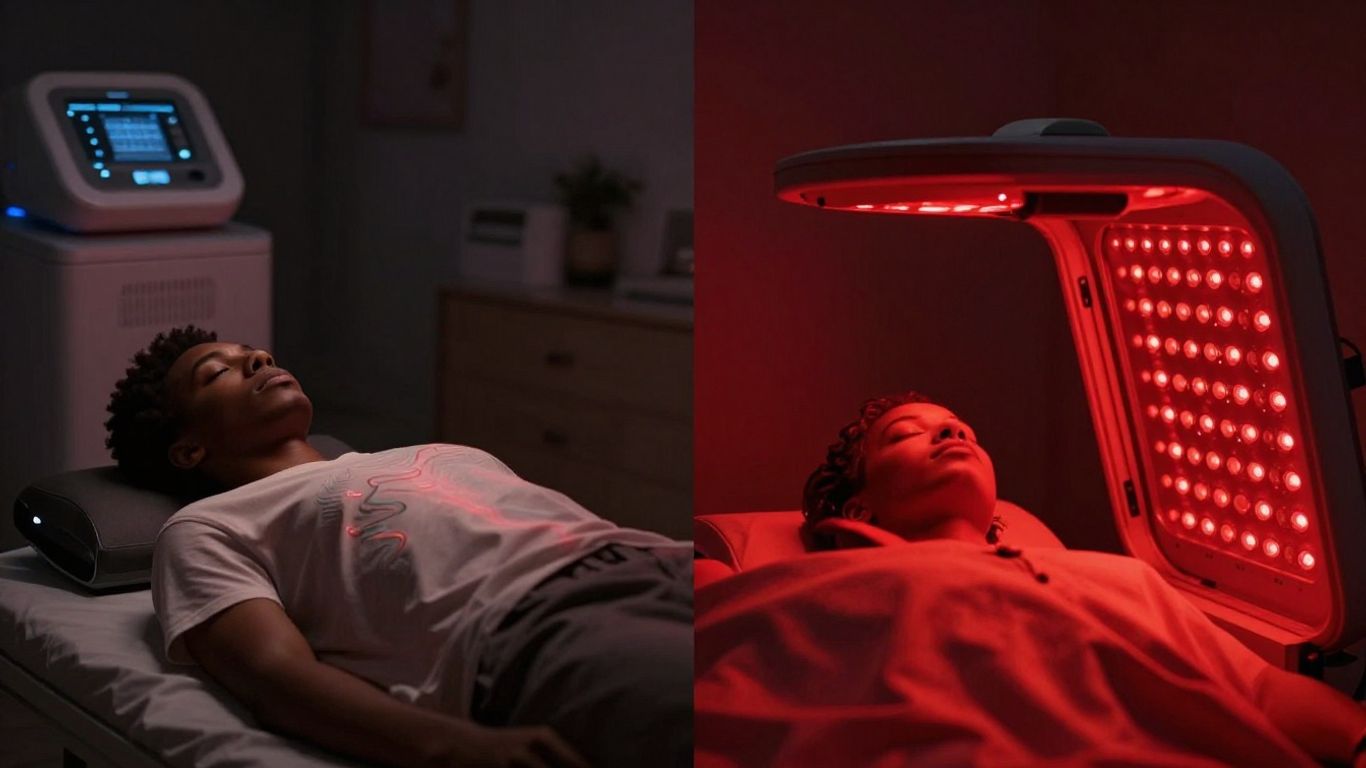
So, you’ve heard about PEMF and red light therapy, right? They both sound pretty cool for your health, but what’s actually going on? It can be a bit confusing trying to figure out how they work and what they do. This article is here to break down the main differences and benefits between PEMF Vs Red Light Therapy, so you can get a clearer picture of how they might help you feel better.
Key Takeaways
- PEMF therapy uses magnetic fields to encourage cellular repair and function, while red light therapy uses specific light wavelengths to do the same.
- Both PEMF Vs Red Light Therapy show promise for reducing inflammation and easing pain, like in joints and muscles.
- Red light therapy, especially near-infrared, might help with brain function, mood, and sleep patterns.
- For physical performance, red light therapy can aid muscle recovery and energy production, while PEMF supports tissue repair.
- Both therapies can support things like bone health and the immune system, but it’s always a good idea to chat with a doctor about what’s best for you.
Understanding The Core Mechanisms: Pemf Vs Red Light Therapy
So, you’ve heard about PEMF and red light therapy, and maybe you’re wondering what the big deal is. They both sound pretty science-y, right? Well, they are, but the way they work is actually quite different, and understanding that difference is key to knowing which one might be right for you. It’s not just about zapping yourself with energy; it’s about how that energy interacts with your body at a cellular level.
Pulsed Electromagnetic Field Therapy Explained
Pulsed Electromagnetic Field (PEMF) therapy uses magnetic fields to interact with your body. Think of it like a gentle, rhythmic pulse that encourages your cells to do their jobs better. These magnetic pulses are thought to stimulate cellular repair and function. The idea is to get your cells back into a healthier energetic state. It’s a bit like tuning a radio to get a clear signal; PEMF aims to get your cells
Targeting Inflammation And Pain With Light And Fields
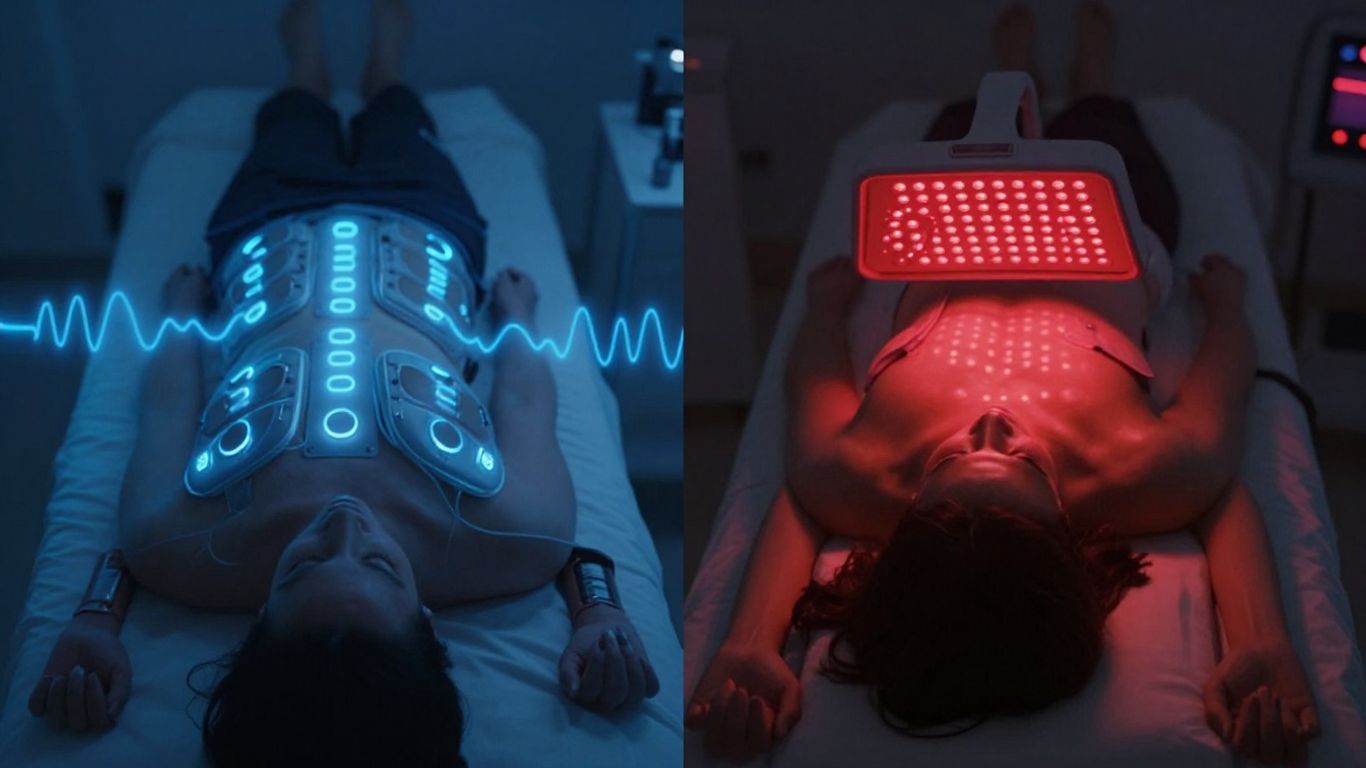
It feels like everyone’s dealing with some kind of ache or pain these days, right? Whether it’s that nagging joint stiffness or a muscle that just won’t quit complaining after a workout, finding relief can be a real challenge. That’s where pulsed electromagnetic field (PEMF) therapy and red/near-infrared (NIR) light therapy come into play, offering some pretty interesting ways to tackle inflammation and pain.
Reducing Chronic Inflammation
Chronic inflammation is a sneaky problem. It’s not just about feeling achy; it’s linked to a whole host of health issues. Both PEMF and red/NIR light therapy have shown promise in dialing down this internal fire. PEMF works by sending gentle electromagnetic pulses into the body, which some research suggests can help balance cellular activity and reduce the production of inflammatory markers. Red and NIR light, on the other hand, penetrate the skin and tissues, interacting with cells to promote a more balanced inflammatory response. The goal is to shift the body away from a constant state of alert and towards a more peaceful, less reactive state.
Alleviating Joint and Muscle Pain
For those suffering from conditions like arthritis or general muscle soreness, the targeted approach of these therapies can be a game-changer. Red and NIR light therapy can penetrate to the affected areas, helping to reduce swelling and discomfort. Think of it like giving your cells a little energy boost to help them repair and calm down. PEMF therapy can also be directed to specific areas, aiming to reduce pain signals and promote healing in joints and muscles. It’s not a magic bullet, but many people report a noticeable difference in their day-to-day comfort.
Accelerating Wound Healing Processes
When you have a cut, scrape, or even a more significant injury, your body goes into repair mode. Red and NIR light therapy can actually speed this up. These lights help cells produce more energy (ATP), which they need to do their repair work. They also encourage better blood flow to the area, bringing in the oxygen and nutrients needed for healing. Plus, they help clear out damaged cells and stimulate the production of collagen, a key protein for rebuilding tissue. PEMF therapy might also play a role here by supporting cellular repair mechanisms and improving circulation to the injured site.
Enhancing Cognitive Function And Mood
It’s not just about physical health, right? Our brains need some love too. Sometimes, life throws a lot at us, and things like stress, lack of sleep, or just getting older can really mess with how sharp we feel and how good we feel emotionally. That’s where things like PEMF and red light therapy start to look pretty interesting for our mental game.
Boosting Brain Health and Neuroplasticity
Think of your brain like a muscle. The more you work it in the right ways, the stronger and more adaptable it can become. Both PEMF and red light therapy seem to play a role here. PEMF, with its pulsing electromagnetic fields, can help improve blood flow to the brain. Better blood flow means more oxygen and nutrients getting to those brain cells, which is pretty important for keeping them happy and working well. It’s also thought to help with neuroplasticity, which is basically your brain’s ability to change and form new connections. This is key for learning, memory, and even recovering from injuries.
Red light therapy, on the other hand, works a bit differently. The light penetrates the skull and gets absorbed by the mitochondria in your brain cells. Mitochondria are like the powerhouses of the cell, and when they get a boost from red light, they can produce more energy. This extra energy can help brain cells function better and may also reduce inflammation, which is often a hidden culprit behind brain fog and mood issues.
Improving Executive Function and Memory
Ever feel like your memory is a bit fuzzy, or you’re having trouble focusing on tasks? You’re not alone. Many people experience this, and it can be frustrating. Studies and anecdotal reports suggest that regular use of PEMF and red light therapy might help sharpen things up. For PEMF, the improved circulation and cellular energy can translate to better processing speed and clearer thinking. Some people report feeling less mentally fatigued and more able to concentrate after sessions.
Red light therapy’s impact on mitochondria could also be a factor. When your brain cells have more energy, they can perform complex tasks more efficiently, which includes recalling information and making decisions. It’s not a magic bullet, of course, but as part of a healthy lifestyle, these therapies could offer a supportive edge for cognitive performance.
Combating Anxiety and Depression Symptoms
Mood is a big one, isn’t it? Feeling anxious or down can really impact your quality of life. While these therapies aren’t a replacement for professional mental health care, some research points to their potential as complementary tools. PEMF has shown promise in some studies for helping to regulate mood and reduce symptoms of depression. The idea is that by influencing brainwave activity and reducing inflammation, it can help create a more balanced internal environment.
Red light therapy might also help by influencing neurotransmitters, the chemical messengers in your brain. By boosting cellular energy and reducing oxidative stress, it could indirectly support the systems involved in mood regulation. The cumulative effect of better sleep, reduced inflammation, and improved cellular function from these therapies can contribute to a greater sense of well-being and emotional stability.
Here’s a quick look at how they might help:
- PEMF: May help balance brainwave activity, improve circulation, and reduce inflammation.
- Red Light Therapy: Boosts mitochondrial energy production, reduces oxidative stress, and may influence neurotransmitter function.
It’s really about supporting your brain’s natural ability to function optimally. When your brain cells are healthier and better energized, it often reflects in how you think and how you feel.
Boosting Physical Performance And Recovery
When you’re pushing your body, whether it’s for a marathon or just keeping up with life, how you recover and perform matters. Both PEMF and red light therapy can play a role here, working on different levels to help your body bounce back and perform better.
Optimizing Muscle Gain and Endurance
Getting stronger and lasting longer in your workouts isn’t just about the effort you put in during the session. It’s also about what happens afterward. PEMF therapy, with its pulsed electromagnetic fields, can influence cellular activity in ways that might support muscle growth and repair. Think of it as giving your cells a little nudge to work more efficiently. Red light therapy, on the other hand, can help improve circulation and energy production within the muscle cells themselves. Better blood flow means more oxygen and nutrients get to where they’re needed, and improved mitochondrial function means your cells have more energy to work with. This combination can lead to better gains and the ability to push harder for longer.
Speeding Up Exercise Recovery
Nobody likes feeling sore for days after a good workout. Recovery is where the real progress happens, and anything that speeds it up is a win. Both therapies can help reduce inflammation, which is a big part of that post-exercise soreness. PEMF might help calm down inflammatory signals, while red light therapy can support cellular repair processes. This means less downtime and more consistent training. It’s about helping your body heal faster so you can get back to doing what you love without feeling completely wiped out.
Enhancing Energy Production at the Cellular Level
At the core of physical performance is energy. Your muscles and cells need fuel to function, and that’s where mitochondria come in. Red and near-infrared light have shown promise in boosting mitochondrial function. This means your cells can produce energy more effectively. PEMF therapy might also play a role by influencing cellular metabolism and repair, indirectly supporting energy levels. When your cells are running on all cylinders, you just feel better and perform better. It’s like giving your body’s power plants a tune-up.
Here’s a quick look at how they might help:
- Muscle Repair: Both therapies can support the body’s natural repair processes after exercise.
- Inflammation Reduction: They may help calm down the inflammation that leads to soreness and fatigue.
- Circulation Improvement: Better blood flow means more oxygen and nutrients reach your muscles.
- Cellular Energy: Both can influence how efficiently your cells produce energy.
The goal isn’t just to train harder, but to train smarter. This means paying attention to how your body recovers and using tools that support its natural healing and energy-producing capabilities. When your cells are functioning optimally, you’ll notice a difference in your endurance, strength, and how quickly you bounce back.
Supporting Vital Bodily Systems
Thyroid Health Support
Thyroid issues can really throw your whole system out of whack, affecting energy levels, metabolism, and even mood. Both PEMF and red light therapy show promise in helping to get things back on track. PEMF, with its specific frequencies, might help reduce inflammation around the thyroid gland, which is often a big player in autoimmune thyroid conditions like Hashimoto’s. It’s thought that these electromagnetic pulses can encourage better cellular function and blood flow to the area. Red light therapy, on the other hand, can penetrate the skin and tissues, potentially stimulating the thyroid cells themselves. Some research suggests it can help improve thyroid hormone production and reduce oxidative stress, a common problem in thyroid dysfunction.
Bone Health and Fracture Healing
When it comes to bones, we want them strong and quick to heal when injured. PEMF therapy has a pretty solid track record here. The electromagnetic fields can signal bone cells, encouraging them to grow and mineralize. This is why it’s often used to help speed up the healing of fractures, especially those that are slow to mend. It seems to kickstart the body’s natural bone-building processes. Red light therapy also plays a role by improving circulation and reducing inflammation, which are both important for bone repair. While PEMF is more directly signaling bone growth, red light creates a better environment for that growth to happen.
Immune System Modulation
Keeping your immune system balanced is key – you don’t want it overreacting or underreacting. Both therapies can help here, though in different ways. PEMF therapy, by reducing overall inflammation in the body, can help calm an overactive immune response that might be causing issues. It’s like turning down the volume on unnecessary immune system chatter. Red light therapy can also support immune function by improving cellular energy and reducing stress on the body. When your cells have more energy, they can do their jobs more effectively, including immune surveillance and response. The goal is to help the immune system function more efficiently without causing collateral damage.
Here’s a quick look at how they might help:
- Thyroid: PEMF may reduce inflammation; Red light may stimulate hormone production.
- Bones: PEMF signals bone growth; Red light improves circulation for repair.
- Immune System: PEMF calms inflammation; Red light boosts cellular energy.
It’s interesting how these non-invasive methods can influence such fundamental bodily processes. They seem to work by supporting the body’s own healing mechanisms rather than forcing a change. This gentle approach is often what’s needed for long-term balance.
Skin Health And Rejuvenation Benefits
When we talk about skin health, red and near-infrared (NIR) light therapy really shines. These specific wavelengths of light can actually penetrate the skin, reaching down to the cellular level where the magic happens. They signal your cells to get to work, boosting things like collagen production. You know, that protein that keeps your skin looking plump and firm.
Stimulating Collagen Production
Think of collagen as the scaffolding for your skin. As we get older, this scaffolding starts to weaken, leading to those fine lines and wrinkles. Red light therapy helps to rebuild and strengthen that scaffolding. It’s not just about making more collagen; it’s about making better quality collagen. This can lead to skin that feels more resilient and looks smoother. It’s a pretty neat way to support your skin’s natural renewal process.
Reducing Wrinkles and Scars
Because red and NIR light can get deep into the skin, they’re quite effective at tackling both wrinkles and scars. For wrinkles, it’s that increased collagen production we just talked about. For scars, whether they’re from acne, surgery, or an injury, the light helps to remodel the scar tissue. It encourages new, healthier skin cells to grow, which can make scars less noticeable over time. It also helps improve blood flow to the area, giving the skin the resources it needs to repair itself.
Improving Skin Elasticity and Tone
Loss of elasticity is another common sign of aging, making skin appear saggy. Red and NIR light therapy can help improve skin elasticity by stimulating fibroblasts, which are the cells responsible for producing collagen and elastin. Elastin is what gives your skin its ability to snap back. By encouraging these cells to be more active, the therapy can help restore a more youthful bounce and firmness to your skin. It’s like giving your skin a gentle nudge to remember how to be its best self. This therapy can also help even out skin tone and reduce redness, giving your complexion a brighter, more even appearance. It’s a gentle approach that works with your body’s natural processes, unlike harsh chemical treatments. Many people find it helps with issues like acne and even some surface veins too.
The science behind how red and near-infrared light works on the skin is fascinating. It’s not just a surface-level treatment; it’s about influencing cellular activity to promote healing and rejuvenation from within. This makes it a really interesting option for anyone looking to improve their skin’s appearance and health naturally.
Here’s a quick look at what red and NIR light can do for your skin:
- Boosts collagen and elastin production.
- Helps remodel scar tissue.
- Improves skin firmness and elasticity.
- Can reduce the appearance of wrinkles and fine lines.
- Aids in evening out skin tone and reducing redness.
It’s worth noting that while red light therapy is generally safe and well-tolerated, results can vary from person to person. Consistency is often key, and combining it with a good skincare routine can yield even better outcomes. For those interested in exploring non-invasive ways to support their skin’s health, PEMF therapy offers a different, yet complementary, approach to cellular well-being.
Holistic Wellness And Lifestyle Integration
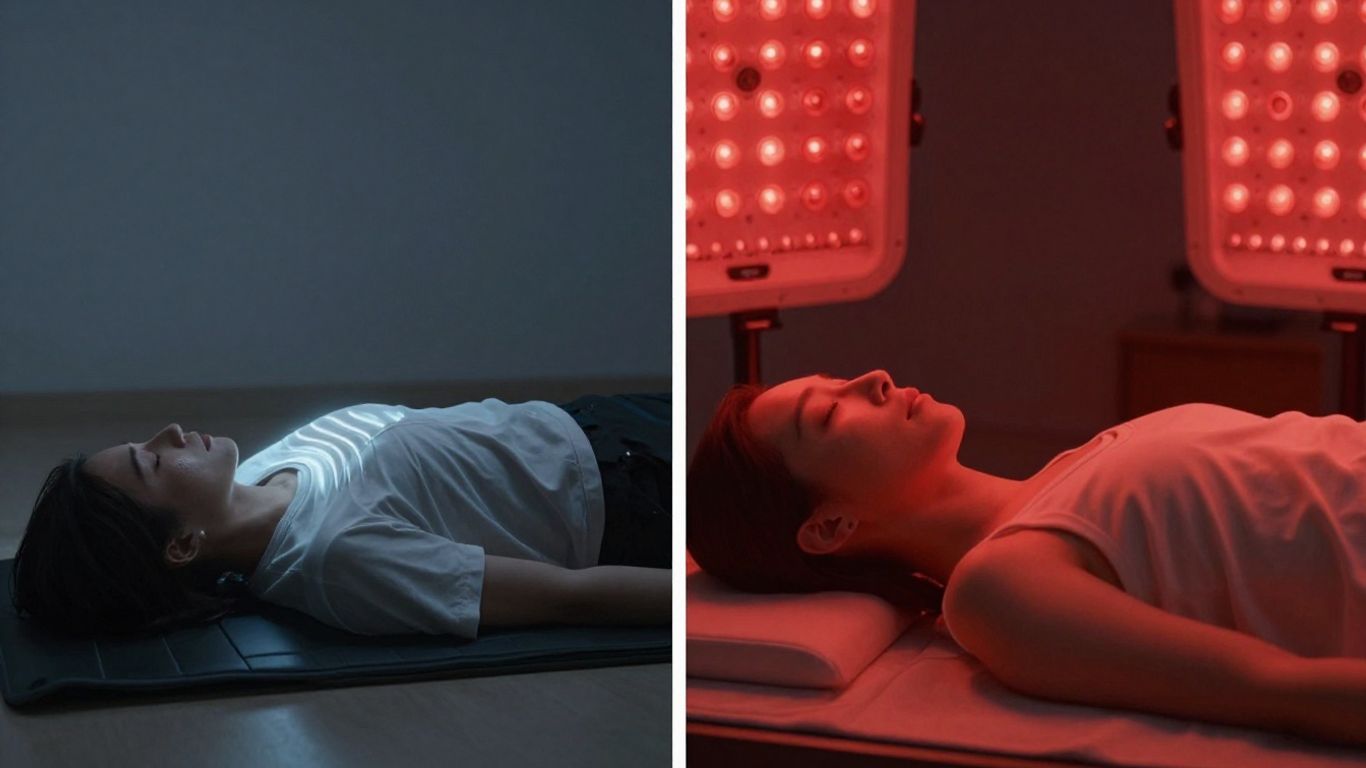
The Role of Light Therapy in Modern Life
In today’s world, we spend a lot more time indoors, often away from natural sunlight. This shift means we might not be getting enough of what sunlight offers, like vitamin D and the benefits of natural light frequencies. Light therapy, including red and near-infrared light, can help fill this gap. It’s not just about fixing problems; it’s about supporting our overall health in a lifestyle that’s very different from what our bodies evolved with. Think of it as bringing a bit of nature’s healing power back into our daily routines, especially when we’re stuck inside most of the day. It’s a way to actively manage our well-being.
Integrating Therapies for Optimal Results
Combining PEMF and red light therapy can offer a more complete approach to wellness. They work on different pathways in the body, so using them together might give you better results than using just one. For instance, PEMF can help with deeper tissue repair and inflammation, while red light therapy focuses on cellular energy and skin health. When you put them together, you’re hitting your body’s systems from a couple of angles.
Here’s a simple way to think about combining them:
- Morning Routine: Start your day with red light therapy to boost energy and mood.
- Afternoon Session: Use PEMF therapy for pain relief or recovery after physical activity.
- Evening Wind-Down: Consider a gentle red light session to support sleep cycles.
It’s about finding a rhythm that fits your life and your body’s needs. The key is consistency and listening to how your body responds.
Consulting Professionals for Personalized Plans
While these therapies are generally safe, it’s always a good idea to talk to a healthcare provider or a qualified practitioner before you start. They can help you figure out if PEMF or red light therapy is right for you, and what specific settings or protocols would be best based on your health goals and any existing conditions. They can also guide you on how to best integrate these therapies into your existing lifestyle and other treatments you might be using. Getting personalized advice means you’re more likely to see the benefits you’re looking for without any unwanted surprises.
Making informed choices about your health involves understanding the tools available and how they fit into your unique life. It’s not about blindly following trends, but about thoughtfully incorporating practices that genuinely support your well-being.
Wrapping It Up
So, we’ve looked at PEMF and red light therapy, and it’s pretty clear they’re not the same thing, even though they both aim to help us feel better. PEMF uses magnetic fields to get cells buzzing, which can help with pain, healing, and even brain stuff. Red light therapy, on the other hand, uses specific light colors to get into our cells and do their thing, like helping with skin, inflammation, and energy. Both have their own cool benefits, and what works best really depends on what you’re trying to fix. It’s not really about one being ‘better’ than the other, but more about picking the right tool for the job. If you’re thinking about trying either, it’s always a good idea to chat with a doctor or someone who really knows their stuff to figure out the best path for you.
Frequently Asked Questions
What is PEMF therapy and how does it work?
PEMF stands for Pulsed Electromagnetic Field therapy. Imagine it like giving your cells a little energy boost. It uses gentle magnetic pulses to help your cells work better, reduce swelling, and heal faster. It’s like a tune-up for your body’s tiny power plants, called mitochondria.
How is red light therapy different from PEMF?
Red light therapy uses specific wavelengths of light, like red and near-infrared, to reach into your body. These lights help your cells produce more energy and can help with things like skin health and reducing pain. PEMF uses magnetic fields, while red light therapy uses light.
Can these therapies help with pain and inflammation?
Yes! Both PEMF and red light therapy have shown great results in easing pain and reducing swelling. They can help with sore muscles and joints, making them useful for conditions like arthritis or after a tough workout.
Are there any benefits for the brain with these therapies?
Absolutely. Studies suggest that both red light therapy (especially near-infrared) and PEMF can help your brain. They might improve focus, memory, and even help with feelings of anxiety and sadness by boosting brain health and reducing inflammation.
How can these therapies help with recovery after exercise?
If you’re active, these therapies can be a game-changer. They help your muscles recover faster after exercise, reduce soreness, and can even help build more muscle and improve your endurance. It’s all about giving your cells the energy they need to repair and get stronger.
Can I use PEMF and red light therapy together?
Many people find that using both therapies can lead to even better results. They work in different ways but can complement each other to support overall health, reduce inflammation, and boost energy. It’s always a good idea to talk to a health professional to see what’s best for you.
Leave a Reply