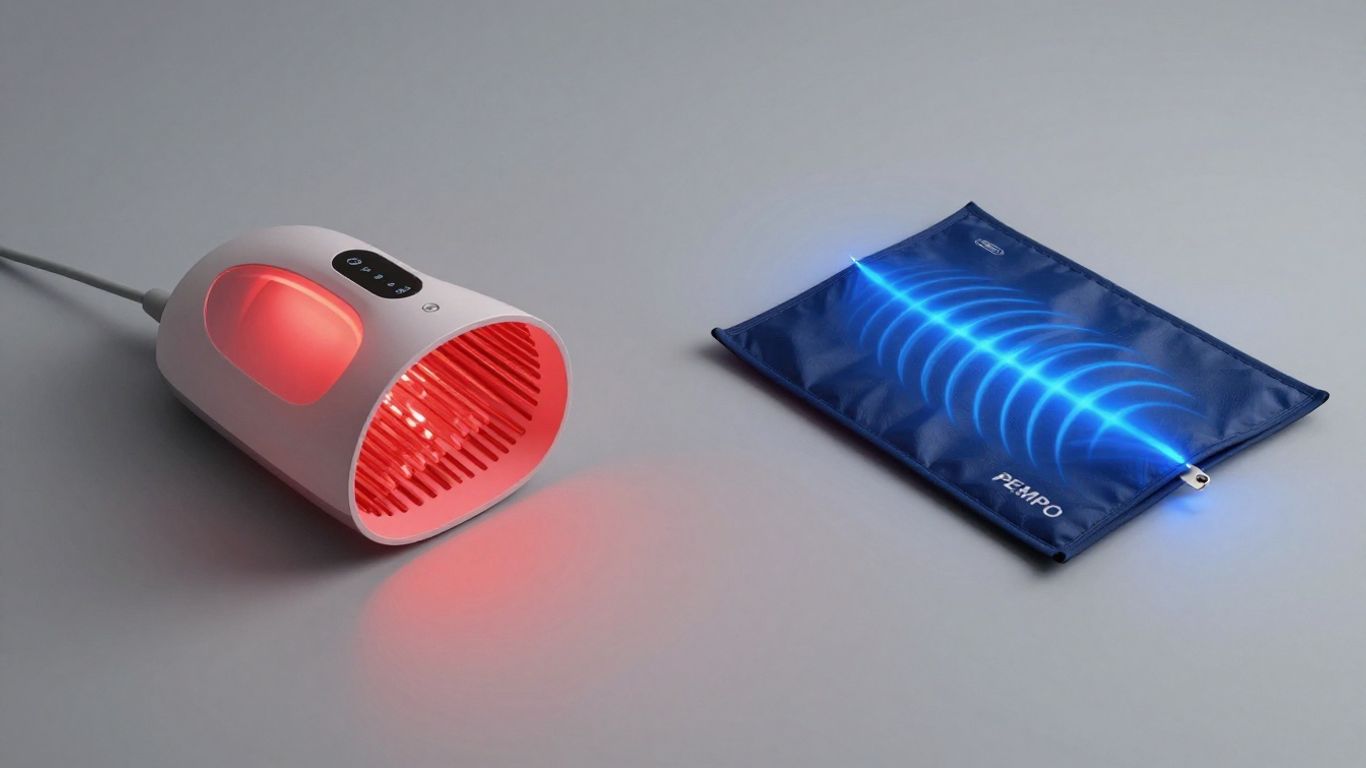
So, you’re trying to figure out if Pulsed Electromagnetic Field (PEMF) therapy or Red Light Therapy is the way to go for your health goals. It’s a common question, and honestly, both have some pretty neat benefits. This article breaks down what each one is all about, how they work, and how you might pick the one that fits you best. We’ll look at what science says and how you could even use them together. Let’s get into it and see which therapy might be your winner.
Key Takeaways
- PEMF therapy uses magnetic fields to influence cell activity, while red light therapy uses specific light wavelengths to affect tissues.
- PEMF is often used for pain, inflammation, and bone healing, whereas red light is popular for skin issues and wound healing.
- The choice between PEMF and red light therapy depends on your specific health concerns and desired outcomes.
- Some devices combine PEMF and red light therapy, potentially offering broader benefits.
- Consistency and proper usage are important for getting the most out of either therapy.
Understanding Pemf Vs Red Light Therapy
So, you’re curious about PEMF and red light therapy, huh? It’s easy to get them mixed up because they both sound pretty high-tech and promise good things for your health. But honestly, they work in totally different ways.
What Is Pulsed Electromagnetic Field (PEMF) Therapy?
PEMF therapy uses magnetic fields. Think of it like giving your cells a little jolt of energy. These magnetic pulses are thought to help your cells function better. It’s been around for a while, and some research points to its use in helping bones heal and potentially reducing pain. The idea is that these fields can influence the electrical activity within your cells, kind of like recharging them. It’s a non-invasive approach that doesn’t involve any light or heat, just those pulsing magnetic waves.
What Is Red Light Therapy?
Red light therapy, on the other hand, uses specific wavelengths of light, usually in the red and near-infrared spectrum. You might have seen these devices as panels with lots of little lights. This light penetrates your skin and is absorbed by your cells, particularly the mitochondria, which are like the powerhouses of your cells. The goal here is to give those mitochondria a boost, which can lead to increased energy production and other beneficial cellular processes. It’s often talked about for skin health, like reducing wrinkles or helping with healing, but it’s also explored for other things.
Key Differences Between PEMF and Red Light Therapy
Here’s a quick rundown of how they stack up:
- Mechanism: PEMF uses magnetic fields, while red light therapy uses light waves.
- Target: PEMF is often discussed for bone healing and cellular energy, while red light is frequently associated with skin health and cellular energy production.
- Sensation: You typically don’t feel PEMF, though some devices might have a slight warmth. Red light therapy is also generally painless, though you’ll see the light.
- Penetration: While both affect cells, the depth and specific cellular targets can differ. Red light is known for its effects on skin and superficial tissues, whereas PEMF’s magnetic fields can potentially reach deeper.
It’s important to remember that while both therapies aim to support the body’s natural processes, they do so through distinct physical mechanisms. Understanding these differences is the first step in figuring out which might be a better fit for what you’re trying to achieve.
When you’re looking into these options, it’s good to know that PEMF therapy is a distinct modality from light-based treatments. You can find more details on PEMF therapy and its applications.
Exploring The Science Behind Each Therapy
So, how do these two therapies actually work on a deeper level? It’s not just magic, there’s some real science going on.
How PEMF Influences Cellular Function
Pulsed Electromagnetic Field (PEMF) therapy uses magnetic fields to interact with your body’s cells. Think of it like giving your cells a gentle nudge to get them working better. The magnetic pulses are thought to encourage cellular repair and regeneration. They can also help improve blood flow, which means more oxygen and nutrients get to where they’re needed. This can be super helpful for reducing swelling and easing pain.
- Improved Cell Membrane Potential: PEMF can help restore the normal electrical charge across cell membranes, which is vital for cell communication and function.
- Increased ATP Production: Adenosine triphosphate (ATP) is like the energy currency of your cells. PEMF may boost ATP production, giving your cells more power to do their jobs.
- Enhanced Oxygen Uptake: Better blood flow means cells can take in more oxygen, which is critical for healing and energy.
The idea is that by using specific frequencies and intensities, PEMF can encourage your body’s natural healing processes without any drugs or invasive procedures. It’s like tuning your body back to its optimal frequency.
The Impact of Red Light on Skin and Tissue
Red light therapy, also known as low-level laser therapy (LLLT) or photobiomodulation, uses specific wavelengths of light to penetrate the skin. The most common wavelengths used are in the red and near-infrared spectrum. When this light hits your cells, it’s absorbed by something called mitochondria, which are the powerhouses of your cells.
- Collagen and Elastin Production: Red light is particularly good at stimulating fibroblasts, the cells responsible for producing collagen and elastin. This is why it’s often used for skin rejuvenation, helping to reduce wrinkles and improve skin texture.
- Reduced Inflammation: It can also help calm down inflammation in tissues, which is beneficial for wound healing and recovery from injuries.
- Improved Circulation: Like PEMF, red light therapy can also boost circulation in the treated area, bringing more oxygen and nutrients to the cells.
Synergistic Effects and Combined Therapies
Sometimes, using both PEMF and red light therapy together can offer even better results than using either one alone. This is because they work on different aspects of cellular health. PEMF might focus on the electrical and energetic balance of the cells, while red light focuses on the energy production within the mitochondria and stimulating specific cellular responses like collagen production.
- Complementary Mechanisms: PEMF can help prepare the cells and improve their overall function, making them more receptive to the benefits of red light.
- Broader Cellular Impact: Combining them can address a wider range of cellular processes, potentially leading to more comprehensive healing and rejuvenation.
- Enhanced Recovery: For athletes or those recovering from injury, the combination could speed up muscle repair and reduce soreness more effectively.
It’s pretty interesting how these different physical modalities can influence our biology at such a fundamental level. The science is still growing, but the initial findings are really promising for a lot of different health concerns.
Targeting Your Health Goals With Pemf Vs Red Light Therapy
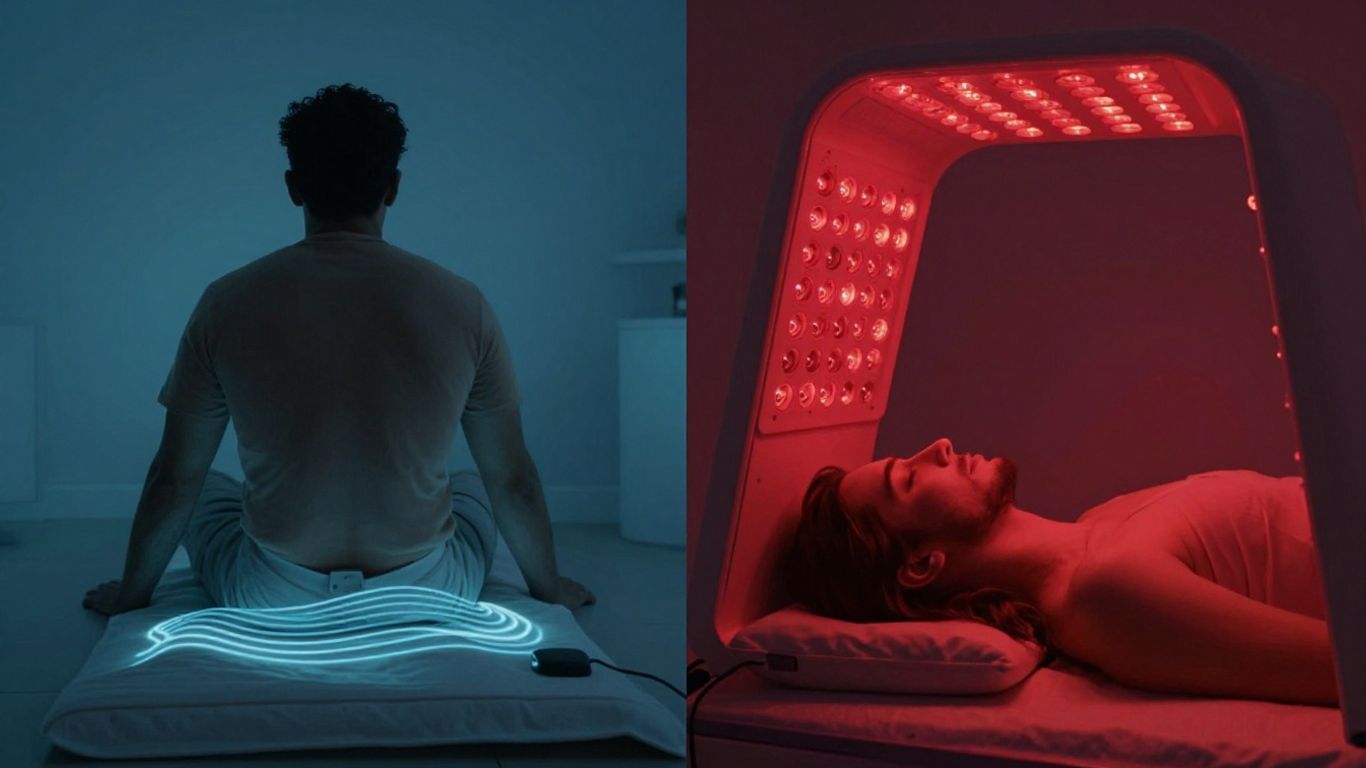
So, you’re curious about how PEMF and red light therapy can actually help you feel better? It’s not just about fancy gadgets; these therapies work on a cellular level to address specific issues. Let’s break down what each one is good for.
Pain Relief and Inflammation Reduction
When you’re dealing with aches and pains, or that nagging inflammation, both PEMF and red light therapy can offer some relief, but they go about it differently. PEMF therapy is particularly known for its ability to influence the body’s natural electrical signals. Think of it like giving your cells a gentle nudge to get back to their optimal functioning. This can help calm down those overactive inflammatory responses that cause pain. It’s been studied for things like arthritis and general aches.
Red light therapy, on the other hand, works more directly on the cells’ energy production centers, the mitochondria. By giving these little powerhouses a boost, it can help reduce inflammation and speed up the healing process. It’s often used for localized pain, like sore muscles or joints.
- PEMF: Good for widespread inflammation and chronic pain conditions by influencing cellular communication.
- Red Light Therapy: Effective for targeted pain relief and reducing inflammation in specific areas, promoting cellular repair.
Skin Rejuvenation and Anti-Aging Benefits
If you’re looking to refresh your skin and turn back the clock a bit, red light therapy is often the go-to. It’s famous for stimulating collagen and elastin production. These are the proteins that keep your skin firm and smooth. As we age, our bodies make less of them, leading to wrinkles and sagging. Red light therapy can help encourage your skin to produce more, leading to a more youthful appearance. It can also help with skin tone and texture.
PEMF therapy can also play a role here, though it’s less commonly discussed for direct skin rejuvenation. By improving circulation and reducing inflammation, it can create a better environment for skin health. Some devices even combine PEMF with red light, aiming for a more comprehensive approach.
Red light therapy’s ability to boost collagen is a big deal for anyone concerned about fine lines and skin elasticity. It’s a non-invasive way to encourage your skin to look and feel younger.
Muscle Recovery and Athletic Performance
For athletes or anyone who pushes their body, getting back to peak performance quickly is key. PEMF therapy can be a real game-changer here. It’s thought to help speed up the repair of muscle tissue and reduce the inflammation that comes after intense workouts. This means less downtime and quicker recovery. Some athletes use PEMF devices to prepare their muscles before activity and to aid recovery afterward.
Red light therapy also contributes to muscle recovery. By increasing blood flow to the muscles and reducing oxidative stress, it helps muscles heal faster and can reduce soreness. It’s particularly useful for targeting specific muscle groups that are feeling the strain.
| Benefit Area | PEMF Therapy | Red Light Therapy |
|---|---|---|
| Muscle Recovery | Aids tissue repair, reduces inflammation | Increases blood flow, reduces soreness |
| Performance Boost | May improve muscle function and endurance | Helps reduce fatigue and improve recovery time |
| Injury Prevention | Supports cellular health, potentially reducing risk | Promotes healing, can help with minor strains |
Mood Enhancement and Mental Well-being
It might surprise you, but these therapies can also impact how you feel mentally. PEMF therapy, especially when using frequencies that mimic the Earth’s natural Schumann resonance (around 7.83 Hz), is believed to help balance the nervous system. This can lead to a sense of calm and improved focus. Some people report feeling less stressed and more grounded after PEMF sessions.
Red light therapy’s connection to mood is less direct but still present. By improving sleep quality and reducing physical discomfort, it can indirectly contribute to better mental well-being. When you feel better physically, it often translates to feeling better mentally. Plus, the relaxation that comes with a treatment session can be a mood booster in itself.
Choosing The Right Therapy For Your Needs
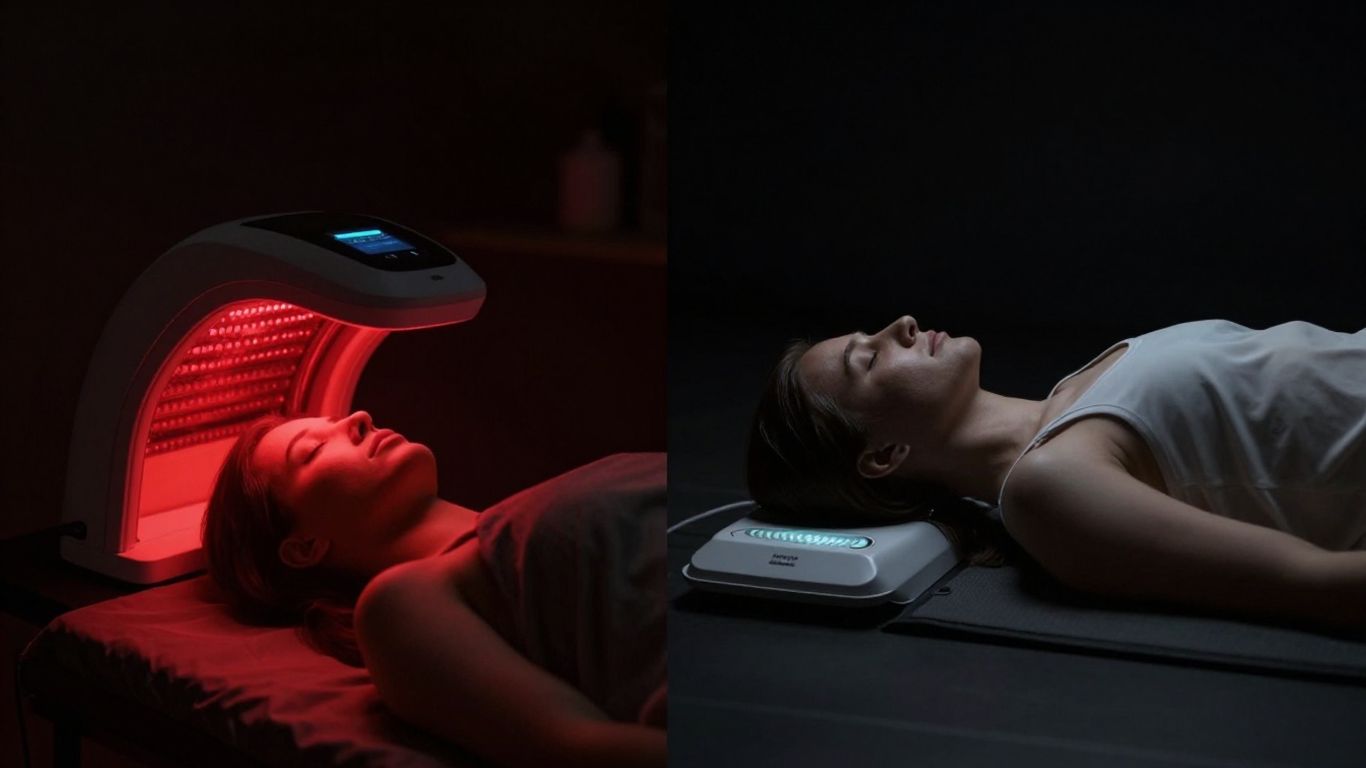
So, you’re trying to figure out if PEMF or red light therapy is the better pick for you. It’s not always a straightforward answer, because what works best really depends on what you’re trying to achieve. Think of it like picking the right tool for a job – you wouldn’t use a hammer to screw in a bolt, right? Both PEMF and red light therapy have their own strengths, and understanding those is key.
Assessing Your Specific Health Concerns
First off, what’s bothering you? Are you dealing with nagging aches and pains, or maybe some stiffness that just won’t quit? PEMF therapy is often looked at for its potential to help with pain and inflammation. It works by sending gentle electromagnetic pulses into the body, which some believe can help cells function better and reduce swelling. If your main issue is discomfort or a feeling of being generally run down, PEMF might be worth exploring.
On the flip side, if you’re more focused on how your skin looks and feels – maybe you’re noticing fine lines, dullness, or just want a bit of a glow-up – red light therapy could be your go-to. It uses specific wavelengths of light to get to work on your skin cells, encouraging things like collagen production. It’s pretty popular for skin rejuvenation and giving your complexion a boost.
Here’s a quick look at what each therapy is often used for:
- Pain and Inflammation: PEMF is frequently considered.
- Skin Health and Appearance: Red light therapy is a common choice.
- Muscle Soreness: Both might offer some benefits, but PEMF is often cited for deeper tissue.
- Energy Levels: Some users report improvements with both, but the mechanisms differ.
Considering Treatment Modalities and Devices
When you start looking into devices, you’ll see a lot of variety. PEMF machines can range from small, portable pads you can use at home to larger beds found in clinics. The intensity and frequency of the pulses can also vary quite a bit. It’s important to think about how you plan to use the therapy. Do you want something you can use while watching TV, or are you okay with visiting a professional?
Red light therapy devices also come in many forms. You’ve got handheld wands for targeted areas, masks for your face, and larger panels that can cover more of your body. The specific wavelengths and power output of these devices matter too. For instance, different wavelengths are thought to target different depths within the skin or tissues.
It’s not just about the technology itself, but how it’s applied. A device that’s easy to use consistently at home might be more effective for you than a powerful clinic-only machine that you can only access occasionally. Think about your daily routine and what fits.
Consulting With Healthcare Professionals
Before you jump into anything, especially if you have existing health conditions or are taking medications, it’s a really good idea to chat with a doctor or a qualified healthcare provider. They can help you understand if either therapy is appropriate for your situation and might even have recommendations based on your specific health history. They can also help you sort through the claims you see online and point you toward reputable sources or devices.
Don’t be shy about asking questions. What are the potential side effects? What kind of results can you realistically expect? A professional can offer personalized advice that generic articles just can’t match. Making an informed decision is always the best approach to your health.
Integrating Pemf and Red Light Into Your Wellness Routine
So, you’ve learned about PEMF and red light therapy, and maybe you’re even thinking about trying them out. That’s great! But how do you actually fit these therapies into your life without it feeling like another chore? It’s simpler than you might think.
Practical Application and Usage Guidelines
Getting started with PEMF and red light therapy doesn’t require a whole lot of fuss. For PEMF, you’ll often use a mat, a coil, or even a smaller device you can place on a specific area. Red light therapy can come in the form of panels, masks, or handheld wands. The key is to find a device that suits your needs and your space.
- PEMF: Many people find it easiest to use PEMF devices while relaxing, perhaps while reading or meditating. Some mats are designed for full-body use, while smaller coils can target specific joints or muscles.
- Red Light Therapy: This is super versatile. You can stand or sit in front of a panel, wear a mask for facial treatments, or use a handheld device for targeted areas like sore knees or wrists.
- Consistency is key: Aim to use your chosen therapy regularly, rather than sporadically.
Frequency and Duration of Treatments
This is where things can vary a bit, depending on the device and what you’re trying to achieve. It’s always best to follow the manufacturer’s instructions for your specific device, but here’s a general idea:
- PEMF: Sessions can range from 10 minutes to an hour. Many people use PEMF daily or several times a week. For instance, a common protocol might be 20 minutes once a day.
- Red Light Therapy: Treatment times are often shorter, typically 10-20 minutes per area. You might use red light therapy daily, especially for skin concerns, or a few times a week for muscle recovery.
Here’s a quick look at typical recommendations:
| Therapy Type | Typical Session Duration | Recommended Frequency |
|---|---|---|
| PEMF (Full Body) | 20-60 minutes | Daily to 3 times per week |
| PEMF (Targeted) | 10-30 minutes | Daily or as needed |
| Red Light (Skin) | 10-20 minutes | Daily |
| Red Light (Muscle) | 10-20 minutes | Daily to 3 times per week |
Maximizing Results Through Consistency
Think of PEMF and red light therapy like exercise or healthy eating – you won’t see major changes overnight. The real magic happens when you stick with it.
Integrating these therapies into your routine is about building sustainable habits. Find times that work for you, whether it’s first thing in the morning, during a lunch break, or before bed. Even short, consistent sessions add up over time and are more effective than infrequent, long ones.
- Schedule it: Put it in your calendar like any other appointment.
- Combine therapies: If you have devices for both, you might find that using them on alternating days or even back-to-back (if recommended by a professional) yields better results.
- Listen to your body: Pay attention to how you feel. Some people notice immediate subtle shifts, while for others, the benefits become more apparent after a few weeks of regular use. Adjust frequency and duration as needed, but try not to skip too many sessions.
So, Which One Wins?
Alright, so we’ve talked about PEMF and red light therapy, and how they both do their own thing to help you feel better. PEMF is like a deep internal tune-up, working with your body’s natural signals, especially good if you’re dealing with pain or want to speed up healing. Red light therapy, on the other hand, is more about what you see on the surface – think clearer skin and less inflammation. Neither one is a magic bullet that’s going to fix everything for everyone. Your best bet really depends on what you’re trying to achieve. If you’re aiming for pain relief and recovery, PEMF might be your go-to. If you’re more focused on skin health and reducing redness, red light therapy could be the ticket. Honestly, some people even find using both works best for them. It’s worth looking into what your specific health goals are and then picking the therapy that lines up best with that. Don’t be afraid to do a little more digging or even try them out if you can!
Frequently Asked Questions
What exactly is PEMF therapy?
PEMF therapy uses special magnetic fields that pulse, or turn on and off, to help your body heal. Think of it like giving your cells a gentle nudge to get them working better and feeling healthier. It’s a way to encourage your body’s natural healing powers.
And what is red light therapy?
Red light therapy uses red and sometimes near-infrared light beams. These lights go into your skin and tell your cells to make more energy. This can help with things like healing skin, reducing wrinkles, and easing pain. It’s like giving your skin cells a little boost of sunshine.
How are PEMF and red light therapy different?
The main difference is how they work. PEMF uses magnetic fields to affect your whole body’s energy and cells. Red light therapy uses light to focus on specific areas, especially the skin, to boost cell energy and healing. PEMF is more about overall cell function, while red light is often used for skin and surface-level issues.
Can I use both PEMF and red light therapy together?
Yes, you often can! Many people find that using both therapies works really well. They can help each other out, kind of like a team. For example, PEMF might help prepare your body for red light therapy, or they might work together to reduce pain and help you feel better overall.
Which therapy is better for pain relief?
Both can help with pain, but they do it differently. PEMF therapy is great for deep pain and inflammation because the magnetic fields can reach deeper into your body. Red light therapy is also good for pain, especially if it’s related to skin or muscles near the surface, as it helps with healing and reducing swelling.
Is red light therapy good for my skin?
Absolutely! Red light therapy is fantastic for skin. It helps your skin make more collagen, which is like the scaffolding that keeps your skin firm and smooth. This can make fine lines and wrinkles look less noticeable, and it can also help your skin heal and look brighter.
Leave a Reply