Dealing with pain can really put a damper on things, right? You try different things, hoping for some relief, but sometimes it feels like nothing really works. Well, there’s this thing called PEMF therapy, and it’s been getting some buzz. It uses electromagnetic fields, which sounds a bit sci-fi, but the idea is to help your body heal itself. We’re going to look into how this PEMF therapy for pain actually works and what it might mean for you.
Key Takeaways
- PEMF therapy uses electromagnetic fields to help cells function better, which can aid in the body’s natural healing processes.
- It’s been studied for various types of pain, including issues with muscles, bones, and nerves.
- The treatment is non-invasive, meaning no needles or surgery, and most people find it comfortable.
- PEMF therapy is generally considered safe, but it’s not for everyone, especially those with pacemakers or who are pregnant.
- It offers a drug-free approach to pain management, focusing on cellular repair rather than just masking symptoms.
Understanding The Science Behind Pemf Therapy For Pain

So, how does this whole Pulsed Electromagnetic Field (PEMF) thing actually work to help with pain? It’s not magic, even though it might feel like it sometimes. The science behind it is pretty interesting and boils down to what’s happening inside your body at a really tiny level – like, at the cellular level.
How Pemf Therapy Works At A Cellular Level
Think of your body as a giant electrical system. Every single cell in your body has a natural electrical charge. This charge is super important for keeping cells healthy and for them to do their jobs, like communicating with other cells and repairing themselves. When you’re injured or dealing with chronic pain, these cells can get damaged, and their electrical charge can get out of whack. This makes it harder for them to function properly and slows down healing. PEMF therapy comes in by sending gentle, low-frequency electromagnetic pulses into your body. These pulses are designed to penetrate deep into your tissues and reach those cells. The goal is to help restore the cells’ natural electrical charge, kind of like giving them a little jump-start. This helps them work better, communicate more effectively, and kickstart the body’s own repair processes.
The Role Of Electromagnetic Fields In Healing
Electromagnetic fields aren’t some new-age concept; they’re all around us, and our bodies actually use them naturally. PEMF therapy just uses specific, controlled electromagnetic fields to encourage healing. When these fields interact with your cells, they can do a few helpful things. For starters, they can help reduce inflammation, which is a major player in a lot of pain conditions. They also seem to improve blood circulation, meaning more oxygen and nutrients get to the areas that need to heal, and waste products get cleared out faster. It’s like giving your body’s natural repair crew a better-equipped and more efficient workspace.
Restoring Cellular Charge For Optimal Function
Ultimately, the main idea behind PEMF is to get your cells back to their optimal working state. When cells are charged correctly, they can:
- Communicate signals more efficiently.
- Increase energy production within the cell.
- Improve nutrient uptake and waste removal.
- Reduce inflammation markers.
- Promote faster tissue repair.
It’s a bit like tuning up an engine. When all the parts are working in sync and have the right energy, the whole system runs much smoother. For pain management, this means that by getting your cells back in balance, you can potentially reduce pain, improve function, and help your body heal more effectively.
The body has an amazing capacity to heal itself, but sometimes it needs a little help to get back on track. PEMF therapy aims to provide that gentle nudge by supporting the natural electrical processes within our cells, which are the foundation of health and recovery.
Exploring Pemf Therapy For Pain Relief
How Pemf Therapy Works At A Cellular Level
Think of your body’s cells like tiny batteries. They need a specific electrical charge to function correctly and communicate with each other. When cells get damaged from injury, illness, or just the wear and tear of life, this charge can drop. That’s where PEMF therapy comes in. It uses gentle, low-frequency electromagnetic pulses to essentially ‘recharge’ these cells. This process helps restore their normal electrical balance, which is super important for everything from reducing inflammation to kicking off the body’s natural repair processes. It’s like giving your cells a much-needed energy boost to get back to doing their jobs properly.
The Role Of Electromagnetic Fields In Healing
Electromagnetic fields are all around us, even the Earth has its own magnetic field. PEMF therapy taps into this natural phenomenon, using specific frequencies to encourage healing. These targeted pulses can penetrate deep into your tissues, reaching muscles, bones, and nerves. By interacting with your cells, these fields can help improve blood flow, which means more oxygen and nutrients get to where they’re needed most. They also play a role in reducing swelling and can even help calm down overactive pain signals traveling to your brain. It’s a way of using energy to support your body’s own remarkable ability to fix itself.
Restoring Cellular Charge For Optimal Function
When cells are functioning optimally, your body works better. PEMF therapy focuses on bringing cells back to their ideal electrical state. This isn’t about forcing anything; it’s about providing the right conditions for your cells to heal and perform. For conditions like chronic back pain, this means helping to reduce the inflammation that causes so much discomfort and stiffness. For nerve-related pain, it can help calm down irritated nerves. The goal is to get your cells back to their peak performance, which can lead to less pain and better overall function. It’s a pretty neat way to help your body get back on track.
The Clinical Efficacy Of Pemf Therapy For Pain
The science behind Pulsed Electromagnetic Field (PEMF) therapy isn’t just theoretical; there’s a growing amount of research showing it can actually help with different kinds of pain. It’s not a magic bullet, but for many people, it’s a really helpful tool.
Evidence Supporting Pemf For Osteoarthritis And Back Pain
When it comes to joint pain, especially from conditions like osteoarthritis, studies have shown PEMF can make a difference. Many people report less pain and stiffness in their knees, which means they can move around a bit easier. For those struggling with chronic lower back pain, PEMF therapy has also demonstrated positive results. It seems to help reduce discomfort and, in some cases, lessen the need for pain medication. It’s pretty interesting how these electromagnetic fields can influence our body’s natural processes to bring about relief.
Pemf’s Impact On Bone Fracture Healing
Beyond just pain relief, PEMF therapy has shown promise in helping bones heal. The FDA has actually approved certain PEMF devices specifically for promoting the healing of bone fractures that aren’t mending properly on their own. This suggests a significant role for PEMF in regenerative medicine, speeding up the body’s natural repair mechanisms for bone tissue.
Research On Pemf For Diabetic Neuropathy And Carpal Tunnel
Nerve pain, like that experienced with diabetic neuropathy or carpal tunnel syndrome, can be incredibly tough to manage. Research is exploring how PEMF therapy might help here too. For diabetic neuropathy, some studies indicate that PEMF can ease the painful symptoms, improving the quality of life for those affected. Similarly, for carpal tunnel syndrome, the therapy is being looked at for its potential to reduce inflammation and support nerve health, which could alleviate the tingling and pain associated with it. This area of research is particularly exciting because nerve pain can be so debilitating, and finding non-invasive options is key. If you’re dealing with nerve-related pain, you might want to look into studies on nerve pain.
What To Expect During A Pemf Therapy Session
Thinking about trying PEMF therapy for your pain? It’s pretty straightforward, and most people find it quite relaxing. The whole idea is to get those cells working better, and the session itself is designed to be as comfortable as possible.
The Non-Invasive And Painless Nature Of Treatment
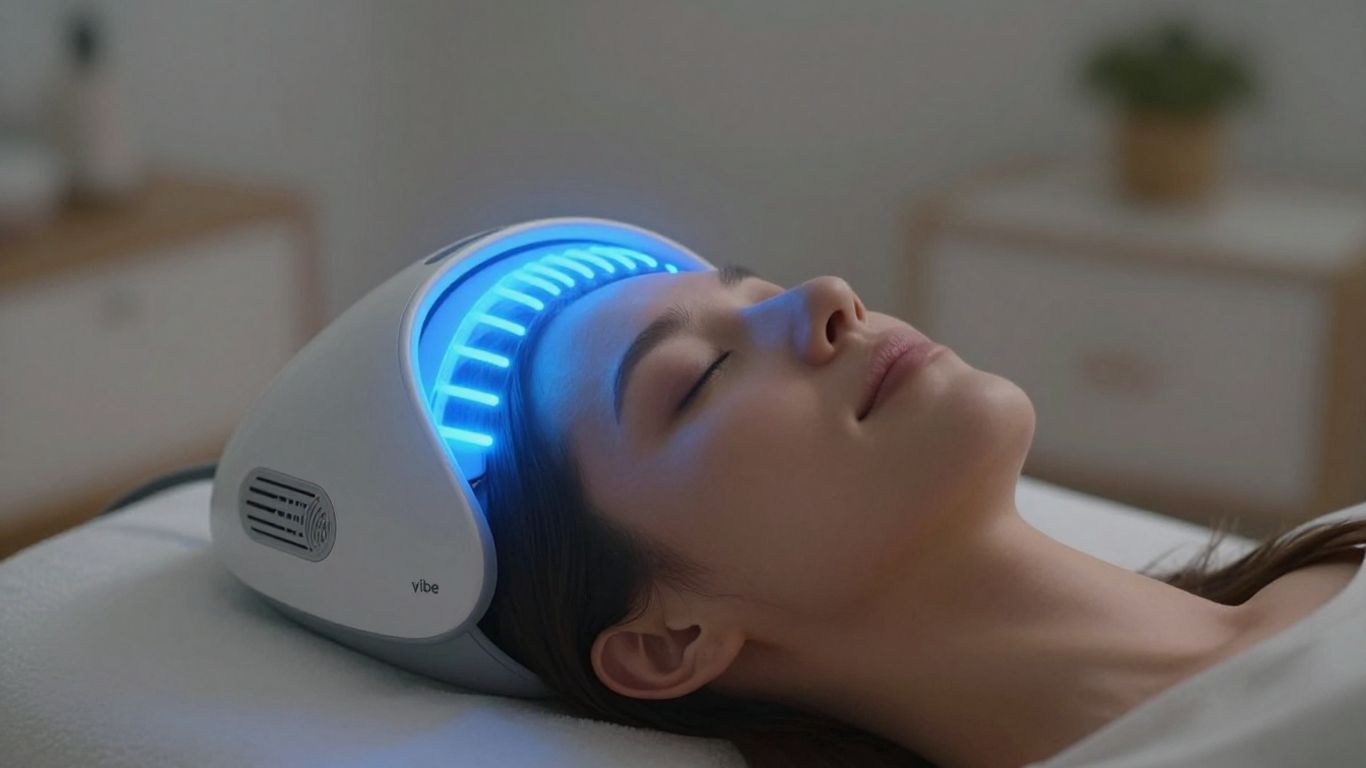
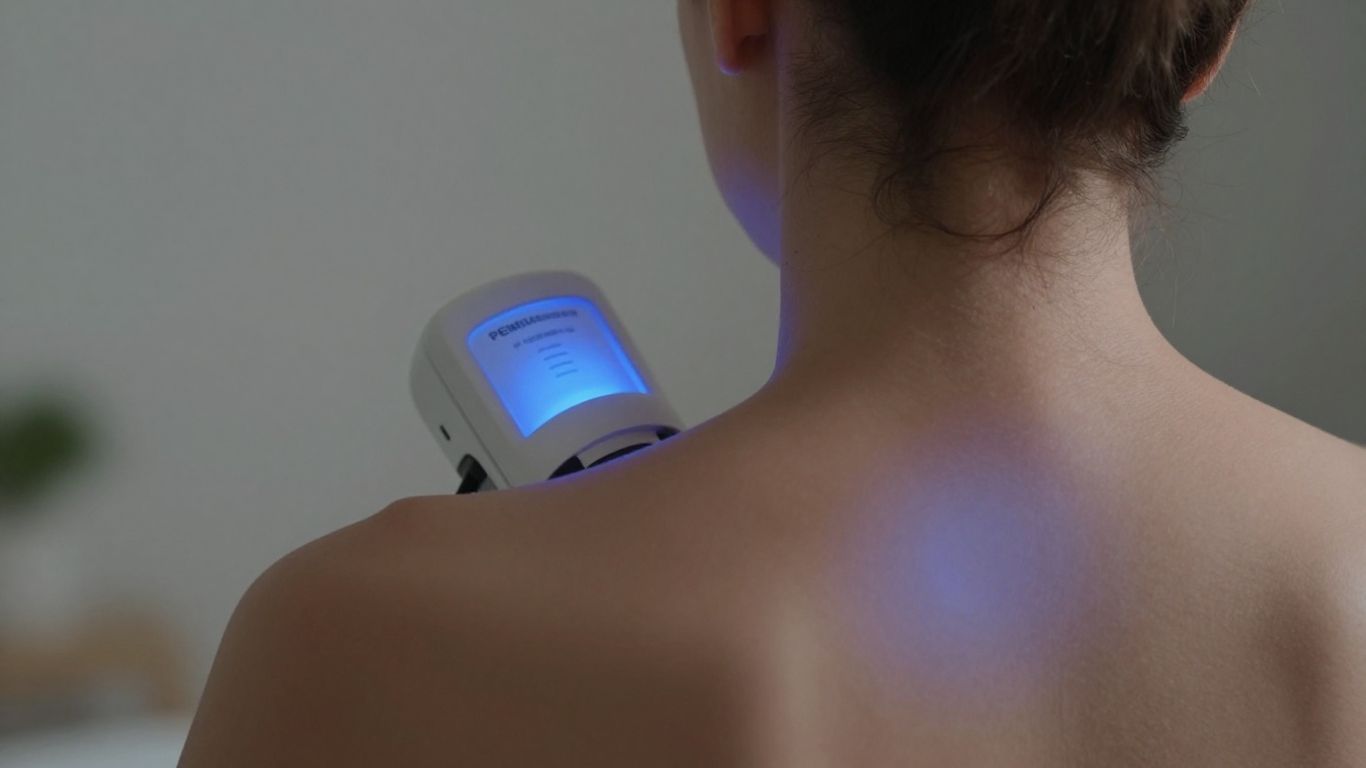
One of the best things about PEMF is that you don’t have to worry about needles or any discomfort. It’s completely non-invasive, meaning nothing enters your body. You’ll typically lie down on a comfortable mat or chair, or sometimes a special applicator will be placed near the area that’s bothering you. You won’t feel any zaps or shocks; it’s a gentle process. Some people report a very mild tingling sensation, which is often a sign that the electromagnetic pulses are doing their job at a cellular level.
Typical Session Duration And Frequency
How long a session lasts can vary, but usually, you’re looking at somewhere between 20 to 60 minutes. It really depends on the specific PEMF device being used and what your practitioner recommends for your particular needs. As for how often you’ll need to come in, that’s also personalized. Often, a series of sessions over a few weeks is suggested to get the best results. Your healthcare provider will work with you to figure out the best schedule.
Here’s a general idea:
- Session Length: 20-60 minutes
- Frequency: Often a series of sessions over several weeks
- Overall Plan: Tailored to individual health goals
Creating A Relaxing And Comfortable Treatment Environment
Practitioners aim to make your PEMF session a peaceful experience. Think of it as a chance to just unwind. You can usually relax, maybe listen to some calming music if it’s available, or just close your eyes and rest. The goal is to create a quiet space where your body can best respond to the therapy. It’s not about being rushed; it’s about giving your body the best conditions to start its natural healing processes.
The entire setup is designed to be simple and stress-free. You don’t need to do anything special during the session other than relax and let the technology work. It’s a passive treatment that aims to support your body’s own ability to recover and reduce pain.
Safety And Contraindications For Pemf Therapy
When considering any new therapy, it’s natural to wonder about safety. The good news is that PEMF therapy is generally considered very safe for most people. It uses low-frequency electromagnetic fields, which are quite similar to the natural magnetic fields found on Earth. This makes it a gentle approach to pain management.
Understanding The Safety Profile Of Pemf
Most people tolerate PEMF therapy really well. It’s a non-invasive treatment, meaning nothing enters your body, and it’s typically painless. Some individuals might feel a very mild tingling sensation during a session, which can actually be a sign that the therapy is working to stimulate your cells. Unlike some treatments that can have a long list of side effects, PEMF therapy has a remarkably clean safety record. The electromagnetic fields are carefully controlled and are not the same as the high-intensity fields found in things like MRI machines.
When Pemf Therapy May Not Be Recommended
While PEMF is safe for many, there are a few situations where it’s not recommended. These are mostly related to the presence of electronic devices within the body that could potentially be affected by the electromagnetic fields. It’s always best to be upfront with your practitioner about your health history.
Here are the main contraindications:
- Pregnancy: Due to a lack of research on pregnant individuals, PEMF therapy is generally avoided.
- Implanted Electronic Devices: This includes pacemakers, defibrillators, cochlear implants, or any other device that relies on electrical signals. The electromagnetic pulses could interfere with their function.
- Organ Transplants: While less common, some sources suggest caution for individuals who have received organ transplants.
Consulting A Healthcare Professional For Personalized Advice
Before you start any new treatment, especially for chronic pain, it’s always a smart move to talk to a doctor or a qualified healthcare provider. They can look at your specific health situation, discuss your pain condition, and help you figure out if PEMF therapy is the right choice for you. They can also explain how it fits in with any other treatments you might be using. Your health is unique, and a personalized approach is always best. Don’t hesitate to ask questions; understanding your treatment options is part of taking control of your well-being.
Comparing Pemf Therapy To Other Pain Management Options

Pemf As A Drug-Free Alternative
When you’re dealing with ongoing pain, the idea of popping pills every day can get pretty old, right? Many people are looking for ways to manage their discomfort without relying on medications that can have side effects or lead to dependency. That’s where PEMF therapy really shines. It offers a completely drug-free approach, working with your body’s natural processes instead of against them. Think of it as giving your cells a gentle nudge to get back to doing their job properly, which can lead to real relief without the chemical intervention.
Non-Invasive Approach Versus Traditional Treatments
Let’s face it, some traditional pain treatments can be pretty intense. We’re talking about things like surgery, injections, or even just long courses of physical therapy that can be demanding. PEMF therapy, on the other hand, is totally non-invasive. You just lie there, relax, and let the electromagnetic fields do their thing. There’s no cutting, no needles, and usually, no discomfort during the session itself. It’s a much gentler way to tackle pain, making it a good option for people who might not be candidates for or don’t want to go through more aggressive treatments.
Focusing On Cellular Repair And Natural Healing
Most pain management strategies focus on masking the pain or treating the symptoms. You know, like taking something to numb the feeling or reduce swelling. PEMF therapy takes a different route. It’s all about getting down to the cellular level and helping your body repair itself. The electromagnetic pulses are thought to help cells regain their normal electrical charge, which is super important for them to function correctly and heal. This focus on natural, cellular-level repair is what sets PEMF apart and why it’s gaining traction as a way to address the root causes of pain, not just the immediate discomfort.
Here’s a quick look at how PEMF stacks up:
- Drug-Free: Avoids the side effects and dependency risks associated with many pain medications.
- Non-Invasive: No needles, surgery, or physical strain required during treatment.
- Cellular Focus: Aims to promote natural healing by restoring cellular function.
- Gentle: Generally well-tolerated with minimal to no discomfort during sessions.
While many treatments aim to manage pain symptoms, PEMF therapy distinguishes itself by targeting the underlying cellular mechanisms that contribute to discomfort and slow healing. It’s a way to support the body’s innate ability to recover.
Wrapping Up: A New Path to Feeling Better
So, we’ve looked at how PEMF therapy works and why it’s becoming a go-to for folks dealing with all sorts of pain. It’s pretty neat how these electromagnetic pulses can help your cells do their thing better, reducing swelling and helping you heal. It’s not magic, but the science behind it is solid, and lots of people are finding real relief without needing more pills or surgery. If you’ve tried other things and they haven’t quite cut it, maybe it’s time to chat with a doctor about whether PEMF could be the next step for you. It might just be the key to getting back to feeling more like yourself.
Frequently Asked Questions
How does PEMF therapy actually work?
Think of your body’s cells like tiny batteries. They need a certain electrical charge to work right and help you heal. PEMF therapy uses gentle energy waves, like a soft magnetic pulse, to help ‘recharge’ these cells. This helps them communicate better, reduces swelling, and gets your body’s natural healing powers going.
Is PEMF therapy safe for everyone?
For most people, PEMF is very safe and doesn’t cause pain. It uses energy levels similar to what you’d find in nature. However, if you have certain medical devices like a pacemaker, or if you are pregnant, it’s best to check with your doctor first to make sure it’s the right choice for you.
What kind of pain can PEMF therapy help with?
PEMF therapy has shown promise for many types of pain. It’s often used for aches in muscles and joints, like from arthritis or back pain. It can also help with nerve pain, such as from diabetes, and even widespread pain conditions like fibromyalgia.
Will I feel anything during a PEMF session?
Most people don’t feel anything at all during a PEMF session, which is why it’s considered super relaxing! Some might feel a very slight tingling, which just means the energy is working. You just lie back and let the therapy do its thing.
How long does a PEMF session last, and how often do I need it?
A typical session usually lasts between 20 to 60 minutes. The number of sessions you need depends on your specific condition, but often a series of treatments over a few weeks works best to get the most relief.
How is PEMF therapy different from other pain treatments?
Unlike medicines that might just cover up pain or surgery that can be intense, PEMF therapy works differently. It’s a drug-free, non-invasive way that aims to help your body heal itself from the inside out by improving how your cells function.