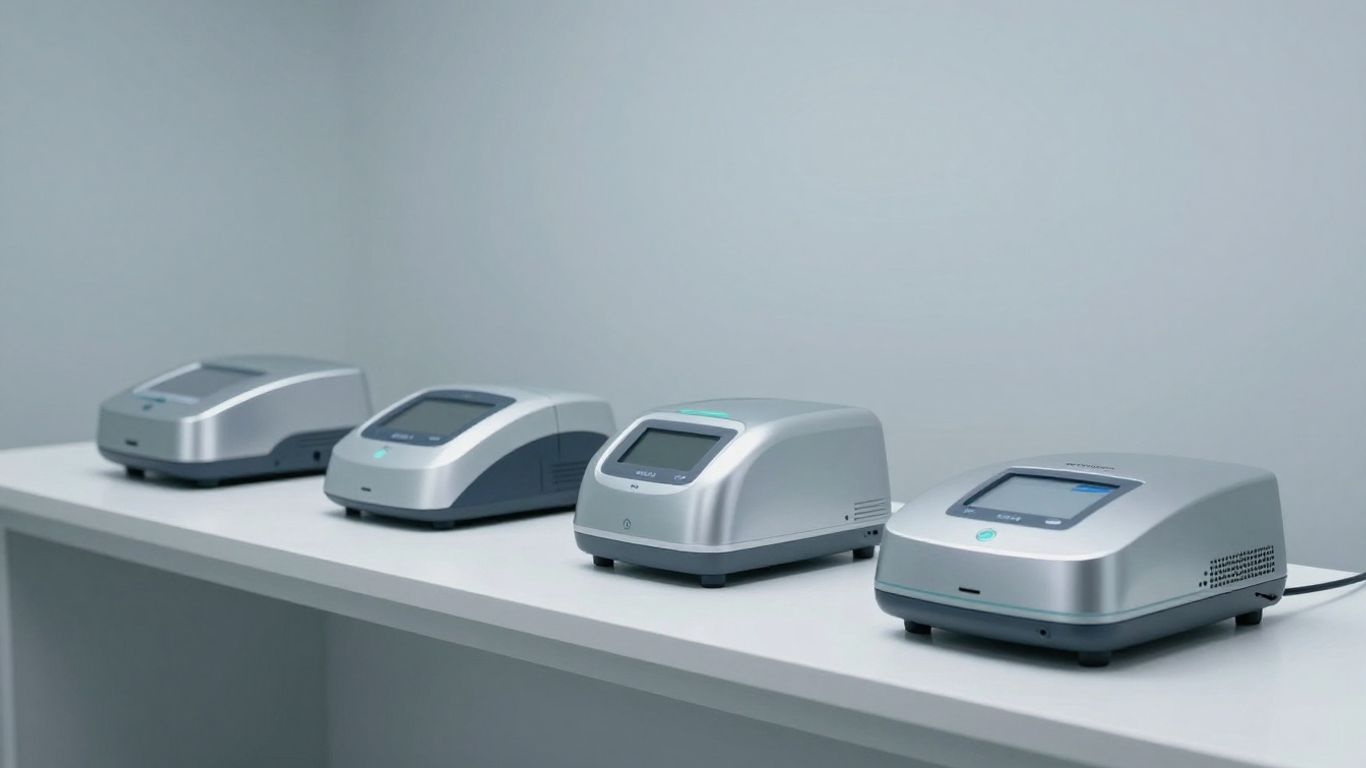
So, you’re curious about those PEMF devices everyone’s talking about, especially the ones the FDA has given the green light to? It can feel like a maze trying to figure out what’s what. This article aims to clear things up, giving you a straightforward look at FDA approved PEMF devices. We’ll break down what PEMF therapy actually is, how it got here, and what the FDA’s role means for you. Think of this as your simple guide to understanding the List Of Fda Approved Pemf Devices.
Key Takeaways
- PEMF therapy uses pulsing magnetic fields to help your body heal itself, working at the cell level without drugs or surgery.
- The FDA has approved certain PEMF devices for specific uses, like helping bones heal, and their approval process looks at safety and effectiveness.
- Devices can be grouped by how fast their pulses are (high, mid, or low frequency) and who uses them (doctors’ offices or at home).
- Several companies make FDA approved PEMF devices, and the market includes both big names and newer players.
- PEMF is being used for things like bone repair, managing pain and swelling, and helping wounds heal, with more research coming out all the time.
Understanding FDA Approved PEMF Devices
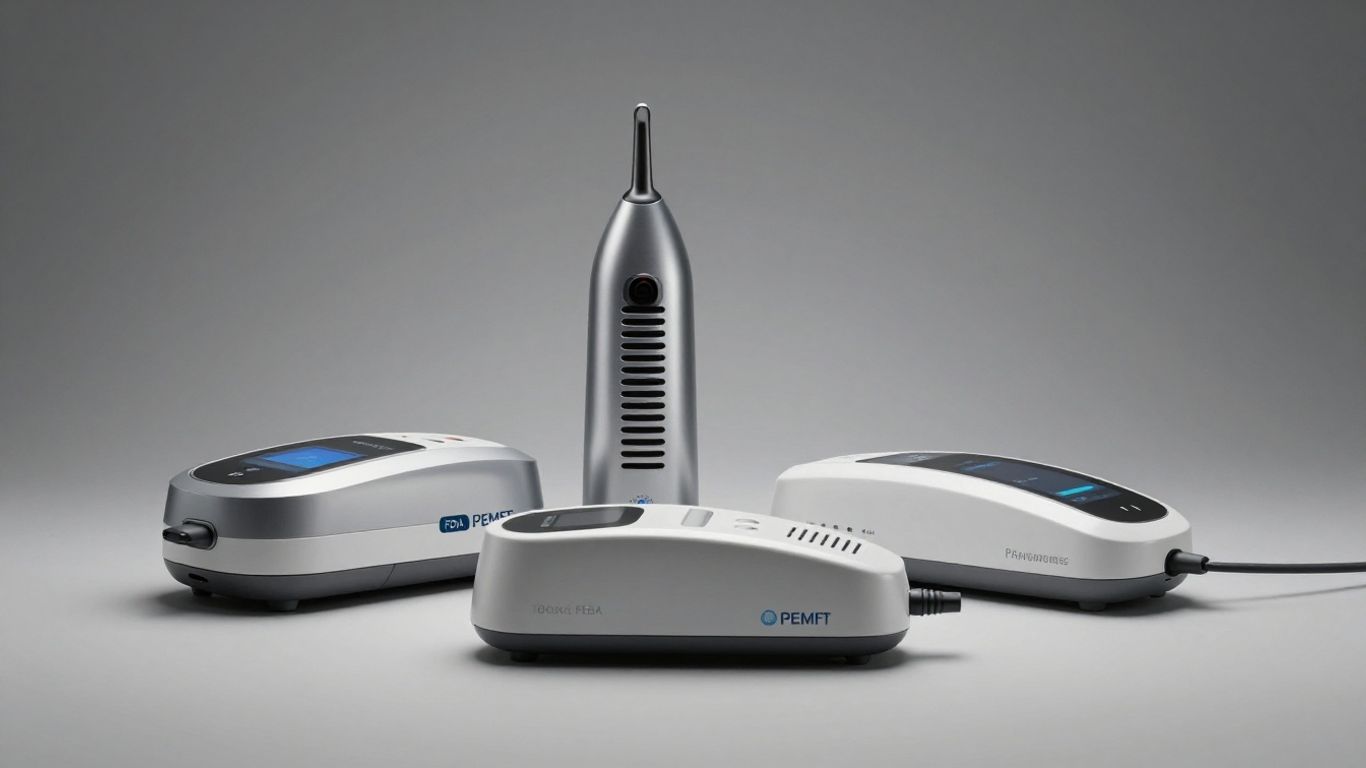
So, what exactly are these FDA-approved PEMF devices we’re talking about? Basically, PEMF stands for Pulsed Electromagnetic Field therapy. It’s a way to use magnetic fields, delivered in pulses, to help your body do its thing – like heal and repair. It’s not some brand-new fad; people have been looking into how these fields can help with things like bone healing for a long time, going back to the 1800s in some studies.
What is Pulsed Electromagnetic Field Therapy?
Pulsed Electromagnetic Field (PEMF) therapy is a non-contact, non-drug method that aims to get your cells working better so your body can heal itself more effectively. Think of it as giving your cells a little nudge to do their job. The pulses are carefully programmed with specific frequencies. These frequencies can target certain tissues or processes in the body. For example, a specific pulse rate might be used to help reduce inflammation, which can lead to a noticeable drop in pain, sometimes quite quickly.
It’s important to remember that PEMF therapy isn’t claiming to cure any specific disease. It’s more about supporting the body’s natural healing processes. The science behind it is pretty interesting, looking at how these fields interact with our cells.
The History and Evolution of PEMF Technology
The roots of PEMF therapy go way back, with early research focusing on helping bone fractures heal. This was a big step, distinguishing it from other magnetic field applications. The key is that these fields are pulsed, meaning they turn on and off in a controlled way. This pulsing allows for fine-tuning how the body responds. Scientists figured out that things like the frequency of the pulses, how strong they are, and the shape of the pulse itself all matter for getting the best results.
Unlike some other treatments, PEMF can reach deep into tissues, affecting things at the cellular, tissue, and even organ levels. This broad reach has led to a lot of research worldwide, and for certain conditions, it’s become a pretty standard approach. The FDA’s initial approval for bone non-unions back in 1979 was a major milestone, opening the door for more studies into other areas.
FDA’s Role in PEMF Device Approval
The U.S. Food and Drug Administration (FDA) plays a big part in making sure these devices are safe and do what they claim. They review the evidence from studies to decide if a PEMF device can be approved for specific uses. This approval process is pretty rigorous. It means that a device has met certain standards for safety and effectiveness for its intended purpose. Getting FDA clearance or approval is a significant step for any PEMF device, indicating it has passed a certain level of scrutiny. This is why looking for FDA-approved devices is important when considering PEMF therapy for yourself or your practice. You can find a list of some Wellness PEMF devices, for example, that have gone through this process.
Here’s a quick look at what the FDA approval means:
- Safety: The device has been tested and found to be safe for its intended use.
- Effectiveness: There’s evidence showing the device works for the specific condition it’s approved for.
- Intended Use: Approval is usually for a particular medical condition or application.
The journey of PEMF technology from early research to FDA approval highlights a growing acceptance of non-invasive therapeutic methods. The focus on cellular stimulation and the ability to target specific biological processes have made it a subject of continued scientific interest and clinical application.
Key Categories of FDA Approved PEMF Devices
When you start looking into FDA-approved PEMF devices, you’ll notice they aren’t all built the same. They’re generally sorted into a few main groups, mostly based on how they’re used and what they’re designed to treat. It’s kind of like how different tools are made for different jobs, right?
High-Frequency PEMF Devices for Acute Conditions
These devices tend to operate at higher frequencies. Think of them as the quick responders. They’re often used for situations where you need healing to happen faster, like after an injury or for certain types of acute pain. The idea is that the higher frequencies can really kickstart the body’s natural repair processes when they’re needed most. They’re designed to get right to work.
Mid-Frequency and Low-Frequency Devices for Chronic Care
Then you have the mid- and low-frequency devices. These are more like the steady workers. They’re typically used for ongoing issues, like chronic pain, arthritis, or conditions that need more sustained support. The lower frequencies are thought to have a broader effect on tissues and can be helpful for longer-term management and recovery. They’re not about a quick fix, but more about consistent, supportive therapy.
Device Segmentation by End User: Clinical vs. Homecare
Another way to look at these devices is by who’s using them. You’ve got devices that are primarily found in professional settings, like doctor’s offices, physical therapy clinics, or hospitals. These are often more robust and might be used by trained professionals. On the other hand, there’s a growing category of devices made for home use. These are usually designed to be more user-friendly, portable, and accessible for people who want to manage their conditions from the comfort of their own homes. This shift towards homecare is a big deal in the PEMF world.
The distinction between clinical and homecare devices highlights a major trend in healthcare: bringing treatments closer to the patient. This not only offers convenience but also can make therapies more accessible for a wider range of people dealing with various health challenges.
Here’s a quick look at how these categories might break down:
- Frequency Range:
- High-Frequency: Acute issues, rapid healing.
- Mid-Frequency: Chronic pain, general wellness.
- Low-Frequency: Deep tissue repair, bone healing.
- End User:
- Clinical Settings: Hospitals, clinics, rehab centers.
- Homecare: Personal use, at-home therapy.
It’s important to remember that the FDA approval for a device means it’s been found safe and effective for its intended use. So, a device approved for bone healing might not be approved for pain management, and vice versa. Always check the specifics of what each device is cleared for, like this physical medicine device for wound healing.
Navigating the List Of FDA Approved PEMF Devices
So, you’re looking into PEMF devices and want to know what’s actually cleared by the FDA. It can feel like a bit of a maze, right? This section is all about making that process clearer. We’ll break down how to look at the approved list, what all those specs mean, and how to understand the FDA’s stamp of approval.
Criteria for Inclusion on the Approved List
Getting a PEMF device onto the FDA’s approved list isn’t just a formality; it means the manufacturer has shown their device is safe and does what it claims to do for a specific purpose. The FDA looks at a lot of data, usually from clinical studies, to make sure the device meets certain standards. They’re not just approving a general idea, but a specific device for a specific use. For example, a device might be cleared for bone healing, but that doesn’t automatically mean it’s approved for pain relief. It’s all about the evidence presented for each intended application.
Understanding Device Specifications and Applications
When you look at an FDA-cleared PEMF device, you’ll see a bunch of technical details. These aren’t just random numbers; they tell you what the device is designed to do. You’ll see things like frequency (measured in Hertz, Hz), intensity (often in Gauss or Tesla), and waveform. These specs are directly tied to the device’s intended use. For instance, high-frequency devices might be geared towards acute issues, while lower frequencies could be for more chronic conditions. It’s important to match the device’s specifications to your needs. You can find devices for wound healing, which fall under categories like Physical Medicine Devices.
Interpreting FDA Clearance and Approval Designations
It’s easy to get confused between
Leading Manufacturers and Their FDA Approved Offerings
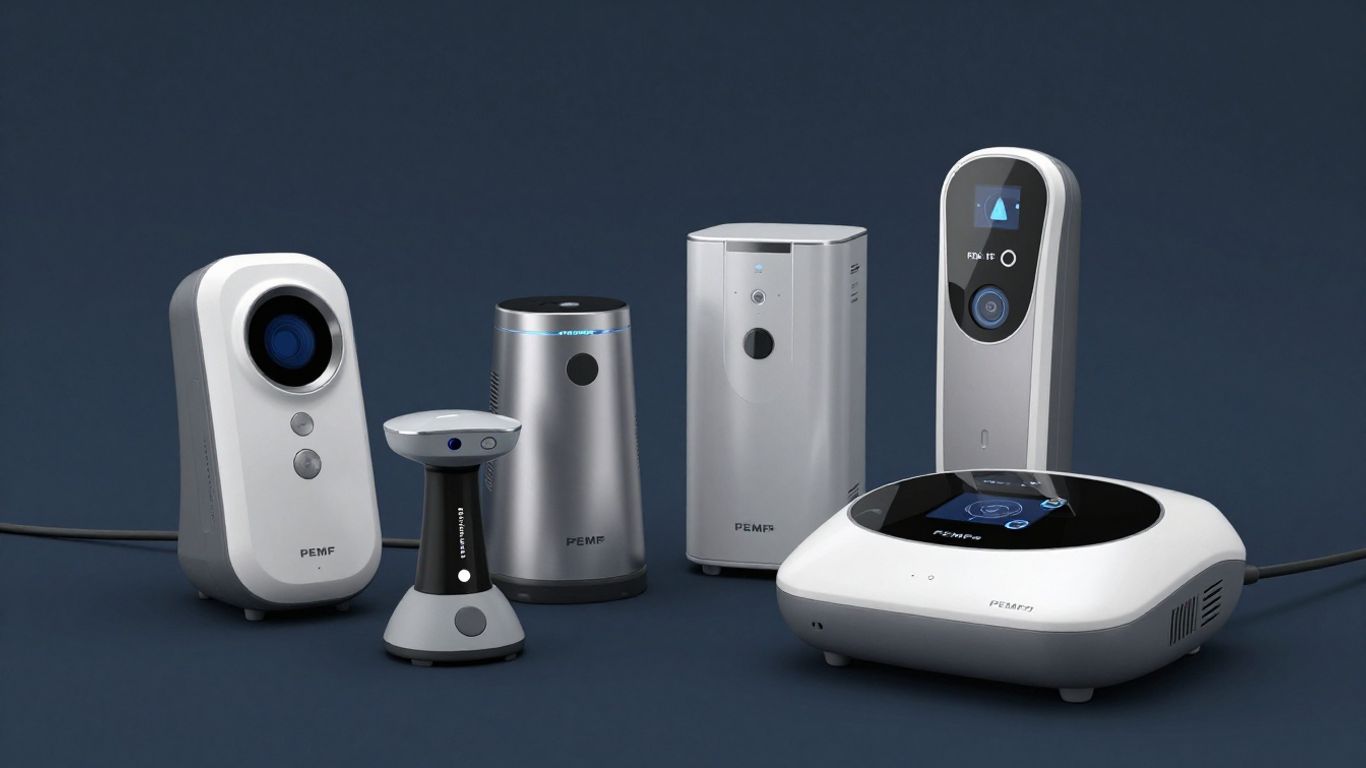
Established Players in the PEMF Market
When you look at the companies making FDA-approved PEMF devices, some names have been around for a while. These established players often have a solid reputation and a good chunk of the market. Think of companies like Orthofix Medical Inc. and I-Tech Medical Division. They’ve likely built strong relationships with doctors and hospitals over the years, which helps them get their devices into more clinics. They tend to have a wide range of products, covering different needs, and their long history means they’ve probably worked through a lot of the kinks.
Innovators and Emerging Companies
But it’s not just the old guard. There are also newer companies shaking things up. These innovators are often focused on developing the next big thing in PEMF technology. For example, Curatronic Ltd. recently put out a super high-power PEMF device, and other companies are planning new product launches for 2025. These newer companies are sometimes more agile, quicker to adopt new tech, and might offer devices that are more user-friendly or have unique features. They’re pushing the boundaries of what PEMF can do.
Strategic Partnerships and Market Consolidation
Sometimes, companies team up or one buys another. This is happening in the PEMF world too. It’s a way for companies to grow faster, get access to new technology, or reach more customers. For instance, Endonovo Therapeutics spun off its medical division into a company called SofPulse, Inc. This move helps SofPulse focus on its PEMF devices, like the SofPulse®, and aims for bigger goals, like getting listed on the NASDAQ stock exchange. This kind of strategic move can really change the competitive scene.
The non-invasive and drug-free nature of PEMF therapy is a major draw for patients and doctors alike.
Here’s a quick look at how some companies are positioned:
- BEMER: Often targets the home user market, focusing on making PEMF accessible and easy to use for general wellness.
- SofPulse, Inc. (Endonovo Therapeutics): Has FDA clearance for pain and post-surgical swelling, plus a CE Mark for wound healing. They also have CMS National Coverage for chronic wound treatment, which is a big deal for getting paid by insurance.
- Curatronic Ltd.: Known for developing high-power PEMF devices, pushing the technological limits.
The PEMF market is dynamic. Companies are constantly innovating, seeking regulatory approvals, and finding ways to make their treatments more accessible. This competition benefits patients by driving improvements in device effectiveness and user experience.
Therapeutic Applications of FDA Approved PEMF
So, what exactly can these FDA-approved PEMF devices actually do for you? It turns out, quite a bit. They’re not just some futuristic gadget; they’re being used to help with some pretty common and sometimes tough health issues. The science behind it is all about using specific electromagnetic pulses to encourage your body’s natural healing processes. It’s pretty neat when you think about it – using energy fields to get cells working better.
Bone Healing and Regeneration
This is actually one of the earliest areas where PEMF therapy got FDA approval, way back in the late 70s for bone non-unions. If a bone isn’t healing properly after a break, PEMF can give it a nudge. It seems to help speed up the process and improve the overall strength of the new bone. Think of it like giving your bones a little extra support when they’re trying to knit themselves back together. It’s not just for fresh breaks either; it’s been looked at for things like fractures that are taking a long time to heal.
Pain Management and Inflammation Reduction
This is a big one for a lot of people. PEMF devices are often used to help manage pain, especially chronic pain, and to calm down inflammation. The pulses can interact with your cells in a way that seems to reduce the signals that cause pain and swelling. It’s a non-invasive way to tackle discomfort, which is a huge plus for many. Studies have shown improvements in pain intensity and quality of life for people dealing with conditions like osteoarthritis or even post-operative pain.
Wound Healing and Tissue Repair
Beyond bones, PEMF is also showing promise in helping soft tissues heal. This can include things like skin wounds, but also potentially other types of tissue damage. The idea is that the electromagnetic fields can encourage cells involved in healing to become more active, speeding up the repair process. It’s a gentler approach compared to some other methods, and it’s being explored for its ability to help the body mend itself more efficiently.
The way PEMF works is by sending specific pulses of electromagnetic energy into the body. These pulses are thought to interact with cells at a fundamental level, influencing their activity and promoting natural repair mechanisms. It’s not magic; it’s applied physics helping biology do its job better.
Factors Influencing PEMF Device Adoption
So, what’s really making people and doctors decide to use PEMF devices? It’s not just one thing, but a mix of stuff that’s pushing this technology forward. Think about it: more and more people are dealing with long-term aches and pains, and they’re looking for ways to feel better without popping pills or going under the knife. PEMF therapy fits that bill because it’s a non-invasive option that’s showing promise in helping with things like bone healing, which has been around since the 1970s [af55].
Technological Advancements and User Experience
Devices are getting way better, too. They’re not the clunky machines they used to be. Manufacturers are making them smaller, easier to use, and sometimes even smart, so you can track your progress or get advice remotely. This makes it way more appealing, especially for home use. Imagine a device that’s simple to operate and fits into your daily routine – that’s the goal.
Regulatory Landscape and Market Access
Of course, getting the green light from places like the FDA is a big deal. It means the device has been checked out and is considered safe and effective for what it claims to do. This approval process can be a hurdle, but it also builds trust. Without it, it’s tough for devices to get into hospitals or even be recommended by doctors. Different regions have different rules, which can make things complicated for companies trying to sell their products everywhere.
Consumer Awareness and Demand for Non-Invasive Therapies
People are just more aware these days. They’re reading up on different treatments and asking their doctors about alternatives. When they hear about PEMF and its potential benefits for pain, healing, and inflammation, and that it’s not a drug or surgery, they get interested. This growing demand is a huge driver for the market. It’s like a snowball effect – the more people know and want it, the more companies invest in making and improving these devices.
Here’s a quick look at what’s driving this:
- Rising chronic conditions: More people dealing with long-term health issues.
- Interest in non-invasive options: A preference for treatments that don’t involve surgery or drugs.
- Better technology: Devices are becoming more user-friendly and effective.
- Positive study results: Research showing PEMF can help with various conditions.
The push towards treatments that are gentle on the body and can be used conveniently at home is a major shift. People want control over their health and are actively seeking out therapies that align with a more natural approach to wellness. This trend is reshaping how medical devices are developed and marketed.
It’s a complex picture, but basically, if the tech is good, it’s approved, and people know about it and want it, then PEMF devices are more likely to be adopted. It’s all about making these therapies accessible and proving they work.
Wrapping Things Up
So, we’ve looked at a bunch of FDA-approved PEMF devices. It’s pretty interesting how this technology has grown from helping bones heal to being used for all sorts of things. While it’s not a magic cure for everything, the research is definitely there, and more and more people are finding it helpful for pain and recovery. Keep in mind that the market is always changing, with new devices coming out and companies working to make them even better. It’s a good idea to talk to your doctor about whether PEMF might be a good fit for you, especially since there are different types of devices out there for different needs. Hopefully, this list gives you a solid starting point for exploring your options.
Frequently Asked Questions
What exactly is PEMF therapy?
PEMF therapy, which stands for Pulsed Electromagnetic Field therapy, is a way to help your body heal itself. It uses special magnetic fields that are sent out in pulses. These pulses are designed to encourage your body’s cells to work better, which can help with healing and repair without using drugs or surgery.
How does the FDA get involved with PEMF devices?
The FDA, or Food and Drug Administration, is like a watchdog for medical devices. They check to make sure that PEMF devices are safe and that they work as intended for the specific health problems they claim to help. When a PEMF device gets FDA approval, it means the agency has reviewed the evidence and agrees it’s okay to use for certain medical reasons.
Are all PEMF devices the same?
No, PEMF devices can be different. Some are made for quick fixes for sudden injuries, using higher frequencies. Others are designed for long-term problems, using lower or mid-range frequencies. They can also be made for different people, like those used by doctors in clinics or simpler ones people can use at home.
What kinds of health issues can FDA-approved PEMF devices help with?
FDA-approved PEMF devices have shown promise in several areas. They are often used to help bones heal better, especially after breaks or surgery. They can also be helpful for managing pain and reducing swelling, and they might even speed up the healing of wounds and other body tissues.
Is PEMF therapy a new invention?
Not at all! The idea of using electromagnetic fields to help heal bones has been studied for a very long time, going back to the 1800s. While the technology has gotten much more advanced over the years, the basic concept has a long history of research and development.
Can I just buy any PEMF device I find online?
It’s important to be careful. While many PEMF devices are available, only those that have gone through the FDA’s approval process are considered safe and effective for specific medical uses in the United States. Always look for FDA clearance or approval when choosing a device for health reasons.
Leave a Reply