
So, you’ve probably heard about PEMF therapy. Maybe a friend mentioned it, or you saw it online. It’s getting a lot of buzz for helping with all sorts of things, from pain to inflammation. But does it actually work? That’s the big question, right? We’re going to look at what the science says about Pulsed Electromagnetic Field therapy and see if all these claims hold up. Let’s unpack it.
Key Takeaways
- PEMF therapy uses electromagnetic pulses to influence how cells work, potentially helping with inflammation and pain.
- Research suggests PEMF might help reduce inflammation by affecting nitric oxide, cytokines, and oxidative stress.
- There’s evidence pointing to PEMF’s usefulness in managing pain from conditions like osteoarthritis, chronic back pain, and sports injuries.
- For endometriosis, early research and personal stories hint at PEMF’s potential to ease pain, though more studies are needed.
- While generally safe, it’s important to talk to a doctor before trying PEMF therapy, especially if you have medical devices or health issues.
Does Pemf Therapy Really Work? Unpacking The Science
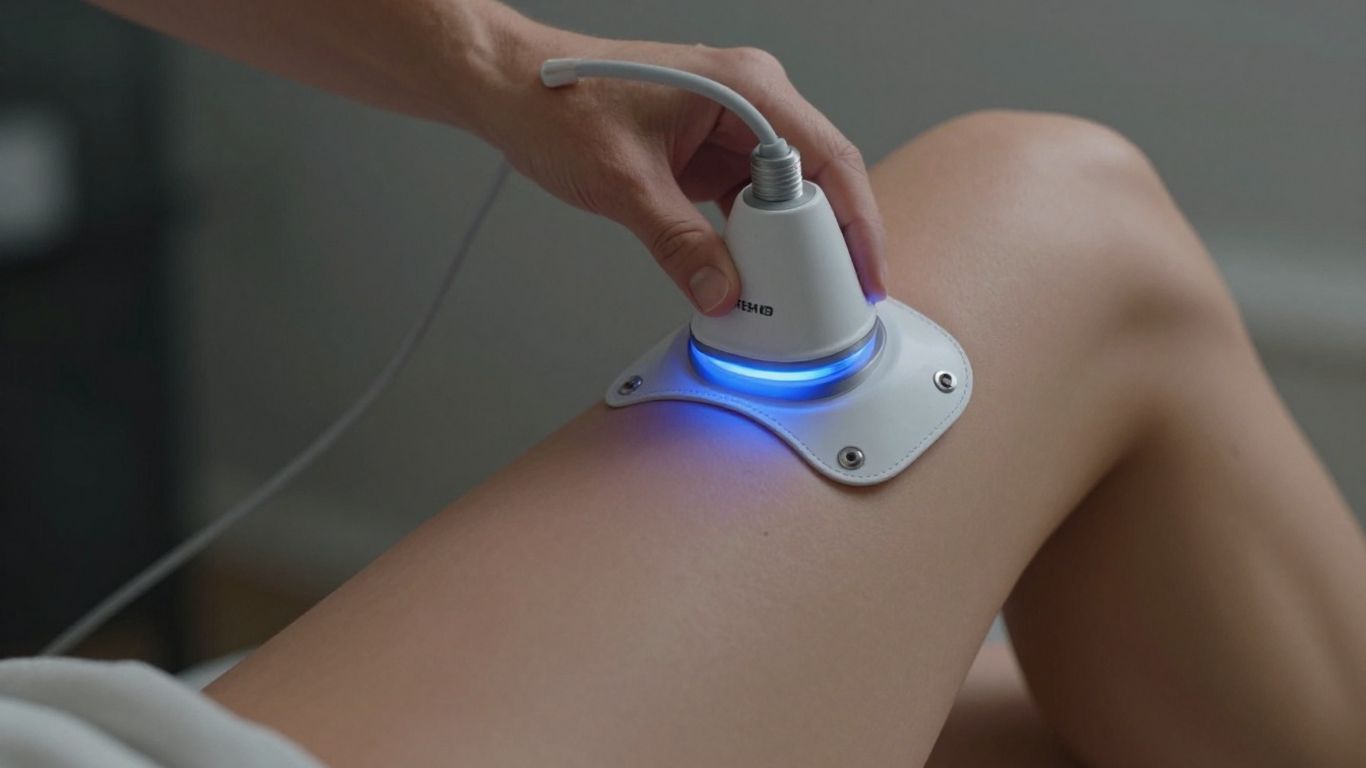
It seems like everywhere you turn these days, someone is talking about Pulsed Electromagnetic Field (PEMF) therapy. It’s being touted for everything from pain relief to better sleep. But does it actually do anything, or is it just another wellness trend? Let’s break down what the science says.
Understanding Pulsed Electromagnetic Field Therapy
So, what exactly is PEMF therapy? Basically, it uses low-frequency electromagnetic fields to interact with your body’s cells. Think of it like a gentle nudge for your cells, encouraging them to function a bit better. These fields are pulsed, meaning they turn on and off, and they’re designed to be non-invasive. The idea is that by stimulating cellular activity, you can help the body heal and function more optimally. It’s not about sending electricity through you, but rather using magnetic fields to encourage natural processes. Many people are looking into this for various health concerns, and it’s interesting to see the range of applications being explored, including potential uses in areas like osteosarcoma treatment [14bb].
How Does PEMF Therapy Influence Cellular Function?
At its core, PEMF therapy aims to improve cellular health. When your cells are stimulated by these specific electromagnetic fields, a few things can happen. One key effect is an increase in ATP production, which is essentially the energy currency of your cells. More energy means cells can do their jobs more efficiently. It can also influence cell membrane permeability, making it easier for nutrients to get in and waste products to get out. This improved cellular communication and function is thought to be the basis for many of the reported benefits of PEMF therapy.
Here’s a quick look at some cellular-level effects:
- Increased ATP Production: More cellular energy.
- Improved Cell Membrane Function: Better nutrient exchange.
- Enhanced DNA Repair: Supporting cellular regeneration.
- Reduced Inflammation Markers: Calming down cellular stress signals.
The Growing Body of Research Supporting PEMF
While PEMF therapy is still a developing field, there’s a growing amount of research looking into its effectiveness. Early studies and ongoing trials are exploring its impact on various conditions. It’s important to note that not all PEMF devices are created equal, and the specific frequencies and intensities used can matter a lot. However, the general trend in the research is showing promise.
The scientific community is increasingly investigating how pulsed electromagnetic fields can interact with biological systems. While more large-scale, long-term studies are always beneficial, the existing data suggests that PEMF therapy is more than just a fad; it’s a legitimate area of therapeutic exploration with potential benefits for a range of health issues.
Researchers are looking at how PEMF can affect things like blood flow, nerve function, and even bone healing. The goal is to move beyond anecdotal evidence and build a solid scientific foundation for its use. This ongoing research is what helps us understand if and how PEMF therapy really works.
Pemf Therapy’s Impact on Inflammation
Inflammation is your body’s way of saying something’s wrong, like when you get a cut or a cold. Usually, it’s a good thing, helping you heal. But sometimes, it sticks around, becoming a chronic problem that can lead to all sorts of issues, from constant aches to more serious health conditions. Finding ways to calm this persistent inflammation is a big deal for feeling better.
Pulsed Electromagnetic Field (PEMF) therapy is one of those newer approaches people are talking about for tackling inflammation. It’s non-invasive, meaning no needles or surgery, which is a plus. But does it actually do anything? Let’s look at how it might work on a cellular level.
Nitric Oxide Production and Blood Flow
One of the ways PEMF therapy seems to help is by encouraging your body to make more nitric oxide. Think of nitric oxide as a tiny messenger that tells your blood vessels to relax and widen. When your blood vessels open up, blood can flow more easily. This improved circulation can help bring healing resources to an area and carry away waste products. Better blood flow is key to reducing that lingering inflammation.
Modulating Cytokine Activity
Your body has these things called cytokines, which are like little signals that control how your immune system responds. Some cytokines ramp up inflammation, while others try to calm it down. Research suggests that PEMF therapy can influence these signals, potentially turning down the volume on the pro-inflammatory ones and turning up the ones that help reduce swelling and irritation.
Reducing Oxidative Stress
Oxidative stress happens when there’s an imbalance between unstable molecules called free radicals and your body’s ability to neutralize them. This imbalance can damage cells and contribute to inflammation. Some studies indicate that PEMF therapy might help your body’s natural antioxidant defenses work better, thereby reducing oxidative stress and its inflammatory effects.
Here’s a quick look at how PEMF might influence these processes:
- Nitric Oxide: Promotes vasodilation, improving blood flow.
- Cytokines: Helps balance pro- and anti-inflammatory signals.
- Oxidative Stress: Supports the body’s antioxidant capacity.
While the exact mechanisms are still being explored, the idea is that by influencing these cellular processes, PEMF therapy could offer a way to help manage the body’s inflammatory response more effectively. It’s like giving your cells a gentle nudge to get back into a healthier balance.
Evidence for Pemf Therapy in Pain Management
When it comes to dealing with persistent aches and pains, people are always looking for something that actually helps. Pulsed Electromagnetic Field (PEMF) therapy is one of those things that’s been getting attention for its potential to ease discomfort. It’s not a magic bullet, of course, but there’s a growing amount of research suggesting it can make a real difference for certain types of pain.
Osteoarthritis and Joint Function
Osteoarthritis, that common condition where joints get stiff and painful, is a big one for PEMF. Studies have looked at how PEMF affects people with knee osteoarthritis. The results? Pretty encouraging. Participants often report less pain and find they can move their joints more easily after using PEMF. It seems to help calm down the inflammation in the joint and maybe even encourage some repair processes. It’s not about regrowing cartilage overnight, but about making daily life more comfortable.
Chronic Back Pain Relief
Back pain is something so many of us deal with, and chronic back pain can really take over your life. Research has explored adding PEMF therapy to standard treatments for this. What they’ve found is that when PEMF is used alongside things like physical therapy, people tend to get better pain relief and can do more of their usual activities. This suggests PEMF might work well with other approaches, offering a more complete way to manage persistent back issues. Some studies even show benefits for nerve-related pain when PEMF is combined with physical therapy, improving daily functioning [a78f].
Addressing Sports Injuries
Athletes, and even weekend warriors, often face sudden injuries like sprains. PEMF therapy has shown promise in helping with these acute issues too. For example, studies on ankle sprains have indicated that PEMF can help reduce both the pain and the swelling that comes with them. This could mean a quicker return to activity, which is always the goal after an injury. The idea is that the electromagnetic fields might help speed up the body’s natural healing processes, reducing inflammation and promoting tissue repair.
Here’s a quick look at what some studies have suggested:
- Osteoarthritis: Reduced pain and improved joint function.
- Chronic Back Pain: Enhanced pain relief and functional improvement when combined with conventional treatment.
- Sports Injuries: Decreased pain and swelling in acute injuries like ankle sprains.
While PEMF therapy isn’t a cure-all, the evidence points towards it being a helpful tool for managing various types of pain. It seems to work by influencing the body’s natural healing and anti-inflammatory responses at a cellular level, offering a non-invasive option for those seeking relief.
Pemf Therapy for Endometriosis
Understanding Endometriosis and Its Effects
Endometriosis is a condition that affects a significant number of women, estimated to be around 10% of the female population. It’s characterized by tissue similar to the lining of the uterus growing outside of it. This can lead to a whole host of problems, not just during that time of the month, but all month long. We’re talking about severe pelvic pain, painful periods that can be debilitating, and sometimes even issues with fertility. It’s not just a physical struggle; it can really mess with your social life, your work, and your overall sense of well-being. The pain can be so bad that it makes everyday tasks feel impossible, and finding relief has been a long-standing challenge for many.
The Mechanics of Pemf in Endometriosis
Pulsed Electromagnetic Field (PEMF) therapy is starting to get some attention as a potential way to help manage endometriosis symptoms. The idea is that these electromagnetic pulses, delivered through special devices, can interact with your body’s cells. For endometriosis, researchers are looking at how PEMF might help calm down inflammation, which is a big player in the pain associated with this condition. It’s also thought that PEMF could influence certain chemicals in the body, like prostaglandins, which are known to cause those painful uterine contractions. The non-invasive and drug-free nature of PEMF makes it an appealing option for those seeking alternatives or complementary approaches to pain management.
Personal Testimonials and Emerging Research
While the science is still developing, there’s a growing collection of personal stories from women who have tried PEMF therapy for their endometriosis. Many report experiencing a noticeable reduction in pain and an improvement in their quality of life. These firsthand accounts are really encouraging. Alongside these testimonials, preliminary research is starting to back up these experiences. Studies, including some looking at animal models and early clinical trials, suggest that PEMF therapy might indeed help lessen chronic pain linked to endometriosis and improve pain management outcomes compared to not using it. It’s still early days, but this combination of personal experiences and emerging scientific findings offers a hopeful outlook for the endometriosis community.
Safety and Considerations for Pemf Therapy
Is Pemf Therapy Safe?
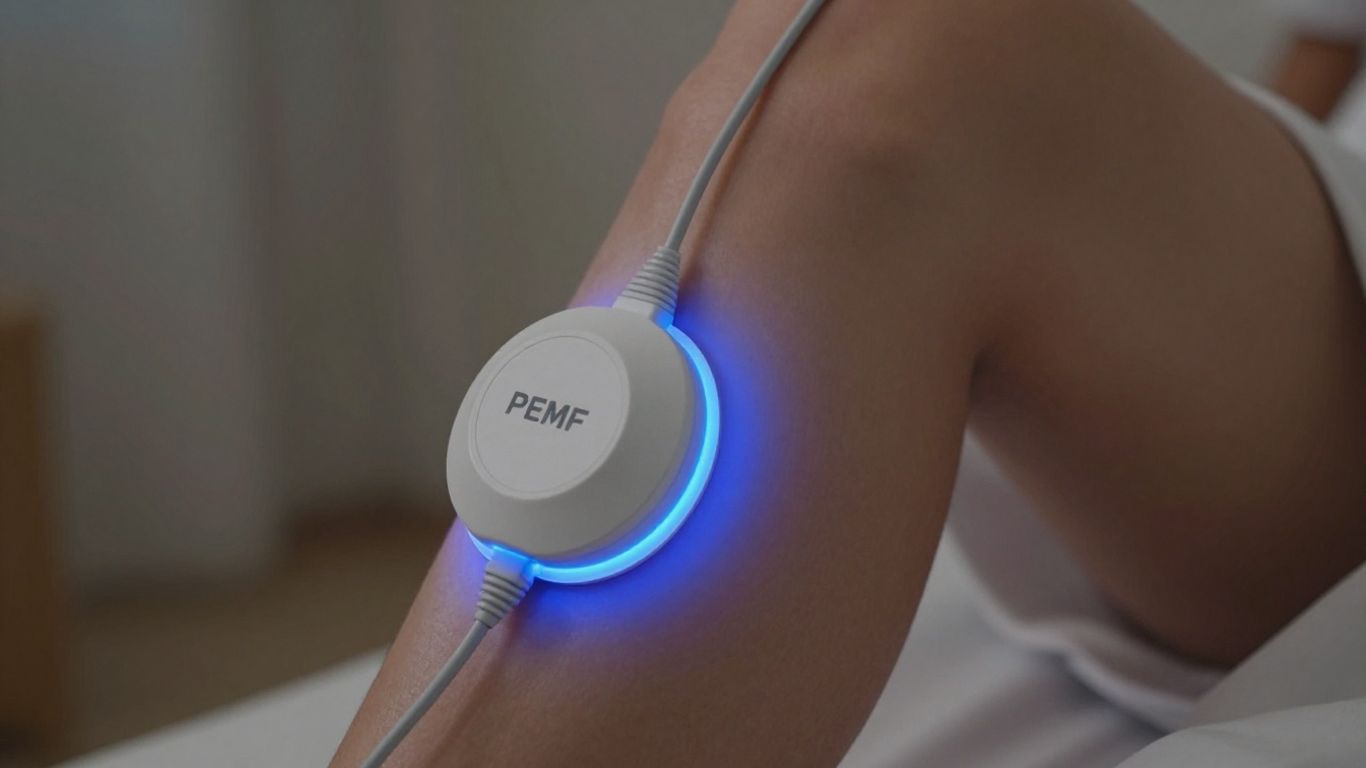
Generally speaking, PEMF therapy is considered a safe option for most people. It’s a non-invasive treatment, meaning it doesn’t involve surgery or breaking the skin. The electromagnetic fields used are typically low-frequency and low-intensity, designed to work with your body’s natural processes. However, ‘safe’ doesn’t mean ‘risk-free’ for everyone. It’s always a good idea to be informed and cautious, especially when trying something new for your health.
Potential Side Effects and Contraindications
While serious side effects are rare, some individuals might experience mild, temporary reactions. These can include a feeling of warmth during a session, slight fatigue afterward, or a temporary increase in pain as the body adjusts. These usually resolve on their own within a short period.
There are a few situations where PEMF therapy might not be recommended or requires extra caution:
- Pregnancy: Due to a lack of research on its effects during pregnancy, it’s generally advised to avoid PEMF therapy.
- Pacemakers and Other Implants: If you have electronic medical implants like pacemakers, cochlear implants, or insulin pumps, the electromagnetic fields could potentially interfere with their function. It’s absolutely critical to discuss this with your doctor before considering PEMF.
- Epilepsy: Some sources suggest caution for individuals with epilepsy, as electromagnetic stimulation could theoretically trigger seizures in susceptible individuals.
- Active Cancer: While some research explores PEMF for cancer support, it’s a complex area. If you have active cancer, you must consult your oncologist.
Consulting Healthcare Professionals
Before you jump into using PEMF therapy, especially if you have any existing health conditions or are taking medications, talking to a healthcare professional is a really important step. They can help you understand if PEMF is a suitable option for your specific situation and discuss any potential interactions or concerns. Think of it like getting a second opinion before making a big decision about your well-being. They can also guide you on the appropriate type of device and treatment protocols, ensuring you get the most benefit safely.
PEMF therapy works by using pulsed electromagnetic fields to interact with your body’s cells. While generally well-tolerated, it’s wise to be aware of potential mild side effects and specific contraindications. Always prioritize a conversation with your doctor or a qualified healthcare provider to ensure it aligns with your personal health profile and treatment goals.
Exploring Pemf Devices and Their Applications
Types of Pemf Devices Available
So, you’re curious about the gadgets that deliver this pulsed electromagnetic field therapy? It’s not just one-size-fits-all. There’s a pretty wide range out there, designed for different needs and body parts. You’ve got your larger systems, often found in clinics, which might involve a full body mat or a specialized bed. These are great for general wellness or treating larger areas. Then there are more portable options, like handheld devices or smaller pads you can place directly on a sore joint or muscle. Some are designed for specific issues, like a device for your knee or lower back. It’s all about getting the right kind of pulse to the right spot.
Integrating Pemf into Daily Wellness Routines
Thinking about how to fit PEMF into your everyday life? It’s actually simpler than you might think. For many, it’s about consistency. Using a device regularly, even for short periods, seems to be key. Some people use a mat while they’re relaxing and watching TV, or a smaller device while they’re working at their desk. The goal is to make it a habit, like brushing your teeth. It’s not usually something you do just once and expect miracles; it’s more about ongoing support for your body’s natural processes. Making it a regular part of your self-care routine can really make a difference.
Features to Consider in Pemf Technology
When you’re looking at different PEMF devices, what should you be paying attention to? It’s not just about the brand name. You’ll want to think about the frequencies the device can produce, as different frequencies are thought to target different issues. The intensity, or strength, of the magnetic field is another factor. Also, consider the waveform – how the pulse is shaped. Some devices offer pre-set programs for specific conditions, which can be handy if you’re not sure where to start. And of course, ease of use and portability matter. You want something that fits your lifestyle.
Here’s a quick rundown of things to look for:
- Frequency Range: What specific frequencies can the device generate?
- Intensity Levels: How strong is the magnetic field output?
- Waveform Type: Is it a sine wave, square wave, or something else?
- Ease of Use: Is the interface intuitive? Are the instructions clear?
- Portability: Is it easy to move around or travel with?
- Targeted Applications: Does it come with specific applicators for different body parts?
Choosing the right PEMF device involves understanding your personal health goals and matching them with the technology’s capabilities. It’s about finding a tool that complements your wellness journey effectively.
So, Does PEMF Therapy Actually Work?
After looking at what the science says and hearing from people who’ve tried it, it seems like PEMF therapy shows some real promise. It’s not a magic bullet for everything, and we definitely need more studies to get the full picture, especially for long-term effects. But the research we have, particularly around reducing inflammation and helping with pain from things like osteoarthritis and back issues, is pretty encouraging. It’s generally seen as safe, which is a big plus. If you’re thinking about giving it a shot, it’s always best to chat with your doctor first to make sure it’s the right move for you and your specific health situation. For now, PEMF therapy looks like a tool worth considering for those seeking non-drug approaches to feeling better.
Frequently Asked Questions
What exactly is PEMF therapy?
PEMF therapy is a way to use special magnetic fields to help your body heal. Think of it like giving your cells a gentle energy boost to help them work better and fix themselves.
How does PEMF therapy help my cells?
PEMF sends out magnetic pulses that can make your cells more active. This can help with things like reducing swelling, improving blood flow, and making your body’s natural healing processes work more smoothly.
Is PEMF therapy good for pain?
Many people find PEMF therapy helpful for different kinds of pain, like from sore joints, back problems, or sports injuries. It seems to help calm down inflammation and encourage healing, which can lead to less pain.
Can PEMF therapy help with endometriosis pain?
Some research and personal stories suggest that PEMF therapy might help ease the pain caused by endometriosis. It could work by reducing swelling and influencing the body’s pain signals.
Is PEMF therapy safe to use?
For most people, PEMF therapy is considered safe and doesn’t have many side effects. However, it’s always a good idea to talk to your doctor before trying it, especially if you have any medical implants or health issues.
What should I look for in a PEMF device?
PEMF devices come in different forms, like mats or smaller handheld units. When choosing one, think about what you want to use it for, how easy it is to use, and what features it offers to make sure it fits your needs.
Leave a Reply