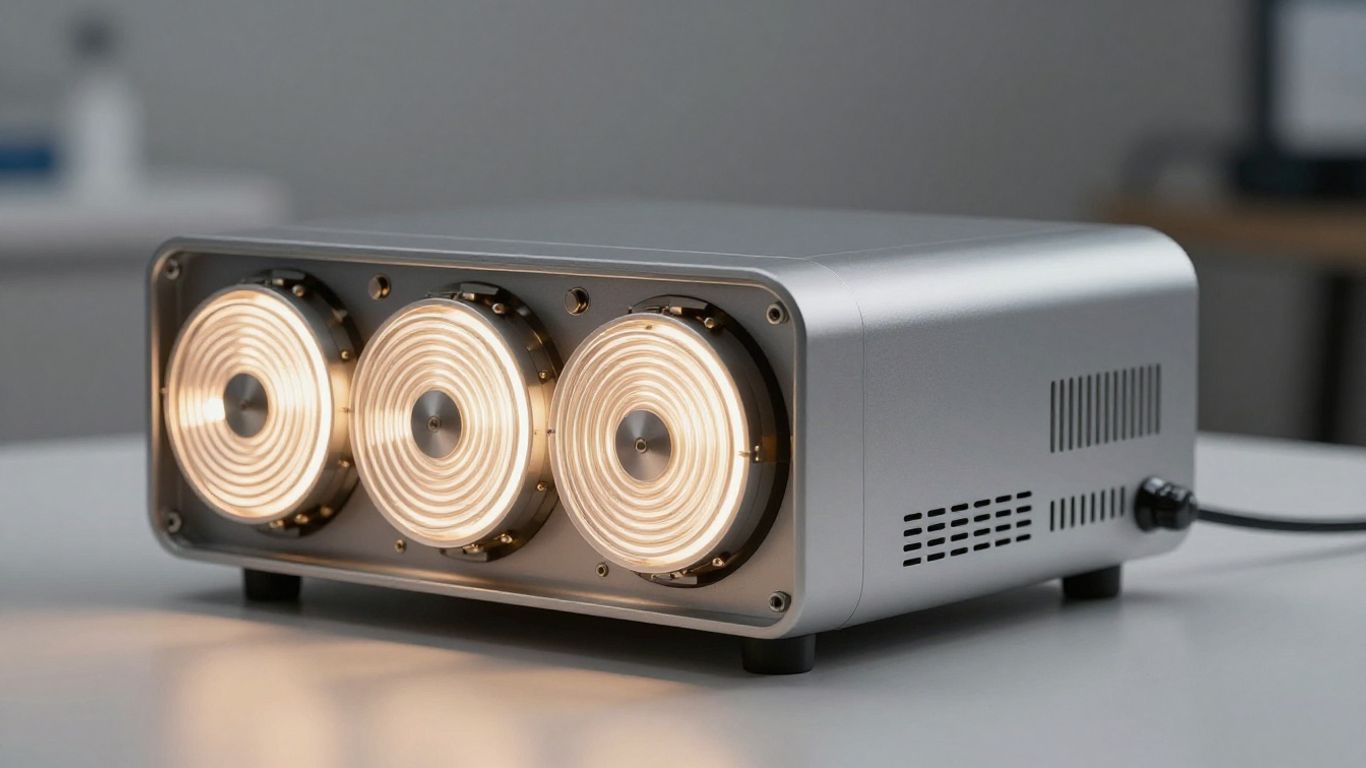
So, you’ve probably heard about PEMF machines, right? They’re popping up everywhere in the wellness scene, and honestly, it can be a bit confusing to figure out what’s what. What exactly is this PEMF thing, and how is it supposed to help us feel better? It’s not some futuristic gadget; the idea is actually pretty grounded in how our bodies work. We’re going to break down what a PEMF machine is and how it aims to give your cells a little boost. Let’s get into it.
Key Takeaways
- A PEMF machine uses pulsing electromagnetic fields to help the body’s natural healing processes.
- The therapy works by interacting with your cells, aiming to restore their natural energy levels.
- PEMF devices often mimic the Earth’s natural frequencies, which our bodies are used to.
- Different types of PEMF devices exist, from portable units to larger mats used in clinics.
- Research is ongoing, but studies suggest PEMF may help with things like inflammation, circulation, and recovery.
Understanding What Is Pemf Machine
What Is Pulsed Electromagnetic Field Therapy?
So, what exactly is this PEMF thing everyone’s talking about? PEMF stands for Pulsed Electromagnetic Field therapy. Basically, it’s a way to use natural-feeling electromagnetic fields to help your body do what it does best: heal itself. Think of it like giving your cells a little boost of energy. It’s not some futuristic magic; it’s more about working with the body’s own natural processes.
The Science Behind Cellular Energy
Our bodies are pretty amazing electrical systems. Every single cell in your body communicates using tiny electrical signals. When these signals are strong and balanced, everything runs smoothly. But sometimes, due to stress, injury, or just everyday life, these signals can get a bit weak or out of sync. PEMF therapy aims to gently recharge these cells, helping them function better. The idea is that by improving cellular energy, the body can then work more effectively to repair itself.
Mimicking Earth’s Natural Frequencies
Did you know that the Earth itself has a natural electromagnetic field? It’s true! It pulses at a frequency that’s been around for ages, and scientists believe it plays a role in keeping life going. Some PEMF devices are designed to mimic these natural frequencies. It’s like tuning into a familiar, calming signal that your body might recognize and respond to positively. It’s a pretty neat concept when you think about it – using nature’s own rhythms to support your health.
Here’s a quick look at how it works:
- Cellular Communication: PEMF supports the electrical activity within cells.
- Energy Production: It can help cells produce more energy.
- Natural Rhythms: It uses frequencies similar to those found in nature.
It’s important to remember that PEMF isn’t a cure-all, but rather a supportive therapy. It works by encouraging your body’s natural healing capabilities, rather than forcing a change.
How Does A Pemf Machine Work?
The Role of Electromagnetic Fields
PEMF machines work by sending pulsed electromagnetic fields into your body. Think of these fields like tiny messengers, carrying energy that interacts with your cells. These aren’t just random pulses; they’re often designed to match the natural frequencies our bodies are used to, like those found in the Earth’s own magnetic field. Our bodies are essentially electrical systems, and cells communicate using electrical signals. When these signals get out of whack, things can start to go wrong. PEMF therapy aims to re-establish a healthy electrical balance within the cells.
Stimulating Cellular Regeneration
When the electromagnetic pulses from a PEMF device reach your cells, they can encourage them to become more active and healthy. It’s like giving your cells a gentle nudge to get back to their optimal functioning. This stimulation can help cells repair themselves and regenerate more effectively. This process is key to how PEMF supports the body’s natural healing capabilities. It’s not about forcing anything; it’s more about reminding your cells how to work their best.
Enhancing Natural Healing Processes
By improving cellular function and regeneration, PEMF machines can help speed up your body’s own healing mechanisms. This can be useful for all sorts of things, from recovering after a workout to helping tissues mend. The fields can also influence things like blood flow and reduce inflammation, both of which are important for healing. It’s a way to support your body’s innate ability to fix itself, making the recovery process smoother and potentially faster.
Here’s a quick look at what happens:
- Cellular Activity Boost: PEMF pulses can increase the energy within cells.
- Improved Nutrient Exchange: Cells may become better at taking in nutrients and getting rid of waste.
- Reduced Inflammation: The fields can help calm down inflammatory responses.
- Tissue Repair: This cellular support aids in the mending of damaged tissues.
The idea is to work with your body’s natural systems, not against them. By providing the right kind of energetic support, PEMF aims to create an environment where healing can happen more efficiently. It’s a non-invasive approach that taps into the body’s own remarkable ability to recover.
Key Components And Terminology
When you start looking into PEMF machines, you’ll run into a few terms that might sound a bit technical. Don’t worry, though; they’re not as complicated as they seem. Understanding these basics is pretty important for getting the most out of your PEMF experience.
Understanding Frequency and Amplitude
Think of frequency like the speed at which the electromagnetic waves are pulsing. It’s measured in Hertz (Hz), which basically means cycles per second. Different frequencies are thought to do different things. For instance, lower frequencies might be more about relaxation, while higher ones could be aimed at more active healing processes. It’s like tuning a radio to find the right station for what you need.
Amplitude, on the other hand, is about the strength or intensity of that electromagnetic field. This is usually measured in Gauss (G) or Tesla (T). A stronger field might be able to reach deeper into your body’s tissues. So, you’ve got the ‘how fast’ (frequency) and the ‘how strong’ (amplitude) – both play a role in how the PEMF machine works.
The Concept of Resonance
Resonance is a neat concept. It’s when something vibrates at its natural frequency when it’s hit with an external force at that same frequency. In PEMF therapy, the idea is to match the machine’s frequency to the natural frequencies of your cells. When this happens, the cells can absorb the energy more effectively, potentially leading to a better response. It’s like gently pushing a swing at just the right moment to make it go higher.
Pulse Duration and Ion Exchange
Pulse duration is simply how long each individual pulse of the electromagnetic field lasts. This can vary between devices and settings. Then there’s ion exchange. Our cells have tiny charged particles called ions, and their movement is super important for cell function, like how they get energy and get rid of waste. PEMF might influence this ion movement, helping cells work better. It’s a bit like making sure the traffic inside your cells is flowing smoothly.
Here’s a quick rundown of what we just talked about:
- Frequency (Hz): How many pulses per second.
- Amplitude (G or T): The strength of the pulse.
- Resonance: Matching frequencies for better cell absorption.
- Pulse Duration: How long each pulse lasts.
- Ion Exchange: How PEMF might affect cell activity.
Understanding these terms helps you appreciate the science behind PEMF and how different settings might be used for various goals. It’s not just random pulses; there’s a method to the electromagnetic madness.
For more on how these fields interact with the body, you can look into Pulsed Electromagnetic Field therapy principles.
Exploring Different Types Of Pemf Devices
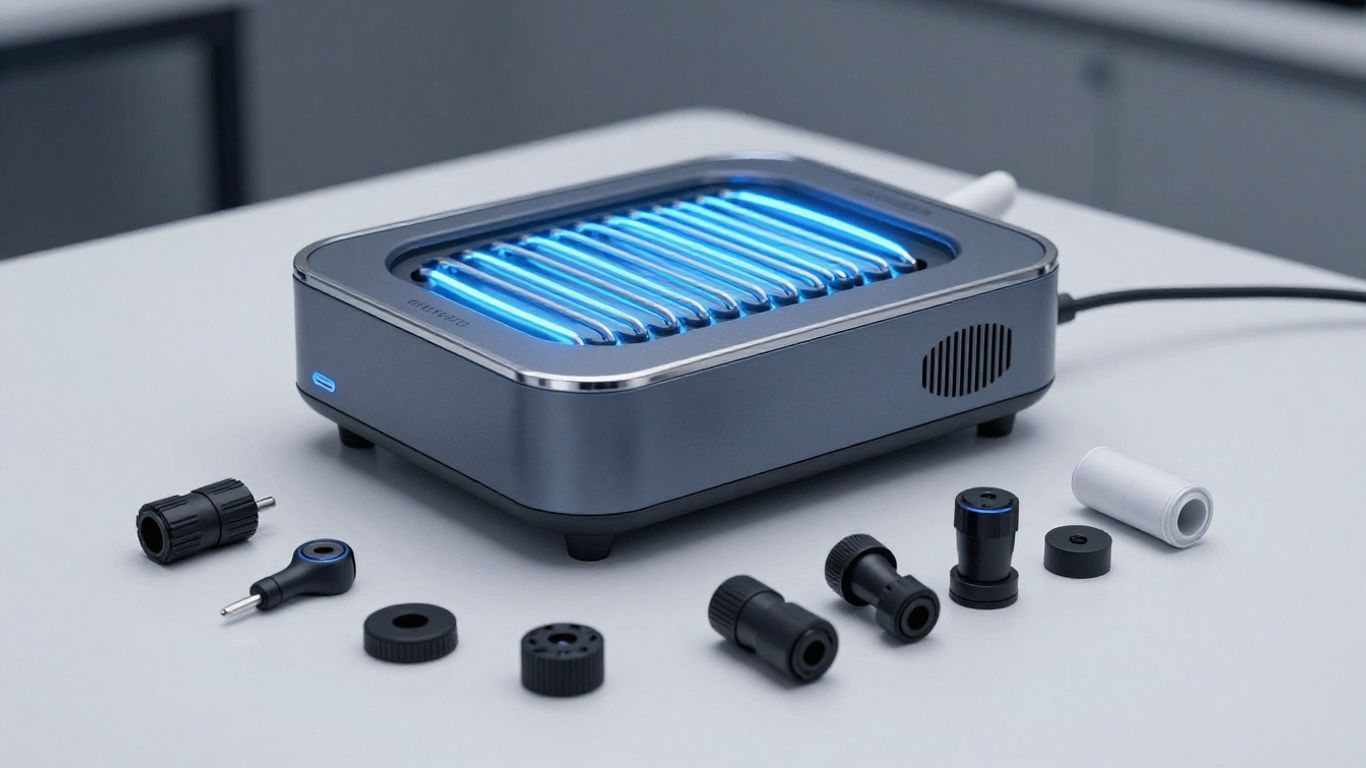
So, you’re curious about PEMF machines and wondering what’s out there? It’s not a one-size-fits-all situation, and that’s a good thing! The market offers a variety of devices, each designed with different needs and lifestyles in mind. Let’s break down some of the main categories you’ll come across.
Low-Frequency Versus High-Frequency Devices
When you’re looking at PEMF devices, one of the first things you’ll notice is the difference in their operating frequencies, measured in Hertz (Hz). This isn’t just technical jargon; it actually affects how the device is typically used.
- Low-Frequency Devices: These usually operate in the range of 1 to 30 Hz. They’re often favored for promoting relaxation and general well-being. Think of them as the gentle approach, good for winding down.
- High-Frequency Devices: These can go much higher, sometimes into the thousands of Hz. They’re generally considered more potent and are often chosen for more targeted applications like aiding recovery or addressing specific discomfort.
It’s important to note that the ideal frequency can depend on what you’re trying to achieve. Some devices offer a range, allowing you to adjust based on your personal goals.
The Convenience of Portable Units
Not everyone has the time or space for a large setup. That’s where portable PEMF devices shine. These are typically smaller, often battery-operated units that you can easily take with you.
Imagine being able to use PEMF therapy while you’re traveling, at the office, or even just moving from room to room in your house. These compact devices make it possible to fit sessions into a busy schedule without a lot of fuss. They’re great for people on the go or those who want to try PEMF without committing to a larger system.
Medical-Grade Versus At-Home Mats
When you’re shopping around, you’ll see a distinction between devices marketed for professional use and those intended for home users.
- Medical-Grade Devices: These are often more powerful and come with a higher price tag. They are typically used in clinical settings by healthcare professionals and may have a wider range of settings and applications. The research backing these devices is often more extensive.
- At-Home Mats and Devices: These are designed for ease of use and accessibility. While still effective, they might have limitations in terms of power output or specific features compared to their medical-grade counterparts. They are perfect for personal, regular use to support your wellness routine.
Here’s a quick look at how they might differ:
| Feature | Medical-Grade Devices | At-Home Mats/Devices |
|---|---|---|
| Power Output | Higher | Moderate |
| Complexity | More settings | Simpler controls |
| Cost | Higher | More affordable |
| Typical User | Clinicians, Therapists | Individuals |
Ultimately, the best type of device for you will depend on your specific needs, budget, and how you plan to use it. It’s always a good idea to do a little research and maybe even try a few different types if possible before making a decision.
Scientific Validation And Research
Double-Blind Studies and Placebo Effects
When we talk about whether something like PEMF therapy actually works, it’s easy to get caught up in testimonials and personal stories. And while those can be compelling, science needs a bit more rigor. That’s where studies come in, and specifically, double-blind studies are considered the gold standard. In these types of studies, neither the person getting the treatment nor the person giving it knows who is getting the real PEMF and who is getting a fake treatment, or placebo. This is super important because it helps get rid of bias. People might feel better just because they think they’re getting a treatment, and that’s the placebo effect. By comparing a group getting actual PEMF to a group getting a placebo, researchers can get a clearer picture of what the PEMF is doing on its own.
Clinical Evidence for Specific Conditions
So, what does the research actually say about PEMF for different health issues? Well, there’s a growing amount of evidence, and it’s pretty interesting. For instance, some studies have looked at how PEMF affects bone healing, especially when bones aren’t knitting back together as they should. This is a big deal for bone injuries. Other research points to PEMF’s potential in helping to reduce inflammation and ease discomfort, which could be a real help for people dealing with long-term pain. It’s not a magic bullet, of course, but the data suggests it can be a useful tool in certain situations. For example, one study investigated the effectiveness of adding pulsed electromagnetic field (PEMF) therapy to standard physical therapy for improving nerve-related pain and daily functioning. The research aimed to determine if this combined approach offered additional benefits beyond conventional physical therapy alone [84f4].
Ongoing Research and Future Potential
The scientific community is still exploring PEMF therapy, and there’s a lot of ongoing work. Researchers are looking into how PEMF interacts with our cells at a deeper level and what other conditions it might help with. Think of it like this: we’ve learned a lot, but there’s still more to discover about how these electromagnetic fields can support our body’s natural processes. The goal is to really understand the mechanisms and find the best ways to use PEMF for different health goals. It’s an evolving field, and it’s exciting to see where the research will take us next.
Here’s a quick look at some areas being studied:
- Bone regeneration and fracture healing
- Nerve repair and function
- Inflammation reduction in various tissues
- Pain management for chronic conditions
The body has its own electrical and magnetic fields, and PEMF therapy aims to work with these natural systems. By using specific frequencies and intensities, the idea is to encourage cellular repair and reduce inflammation, supporting the body’s inherent ability to heal.
Potential Benefits And Applications
So, what can a PEMF machine actually do for you? It’s not just some futuristic gadget; people are using these devices for a bunch of different things, mostly related to feeling better and helping the body do its thing naturally. Think of it as giving your cells a little nudge to get back on track.
Reducing Inflammation and Discomfort
One of the big reasons folks turn to PEMF is for help with aches and pains. The idea is that the pulsed electromagnetic fields can get into your body and help calm down inflammation. When inflammation is less angry, discomfort often follows suit. It’s not a magic bullet, of course, but many report feeling a difference, especially with things like stiff joints or sore muscles after a workout. It seems to help the body’s natural repair processes along.
Improving Circulation and Cellular Function
Your body relies on good circulation to get everything where it needs to go, and that includes oxygen and nutrients to your cells. PEMF therapy is thought to help with this by encouraging blood flow. Better circulation means your cells can work more efficiently. This cellular activity is key to how your body functions day-to-day. When cells are happy and getting what they need, they can do their jobs better, whether that’s repairing tissue or just keeping things running smoothly.
Supporting Recovery and Overall Wellness
Beyond specific issues, many people use PEMF devices as part of a broader wellness routine. It’s about supporting the body’s natural ability to recover and maintain itself. This could mean bouncing back faster after physical activity, feeling more rested, or just generally having a better sense of well-being. Some users even report improvements in sleep quality and stress levels, which are pretty important for staying healthy.
Here’s a quick look at some common areas where PEMF is being explored:
- Muscle Soreness: Helping to ease that post-exercise ache.
- Joint Stiffness: Making movement feel a bit easier.
- Sleep Quality: Promoting a more restful night.
- Energy Levels: A general feeling of being more revitalized.
It’s important to remember that PEMF isn’t a replacement for medical treatment. If you have serious health concerns, always talk to your doctor first. Also, if you have certain medical devices like pacemakers or metal implants, you’ll want to check with your healthcare provider before trying PEMF, as the magnetic fields could interfere.
Wrapping It Up
So, we’ve taken a look at what PEMF therapy is all about. It uses those pulsing electromagnetic fields, kind of like a gentle nudge for your cells, to help your body do its thing – healing and repairing. It’s not some magic bullet, but it seems like a pretty interesting tool for wellness, especially with all the research coming out. Whether you’re an athlete looking to bounce back faster or just someone trying to feel a bit better day-to-day, understanding how these fields work is the first step. It’s definitely something worth looking into more if you’re curious about giving your body a little extra support.
Frequently Asked Questions
What exactly is PEMF therapy?
PEMF stands for Pulsed Electromagnetic Field therapy. It’s a way to use gentle, pulsing magnetic fields to help your body heal itself. Think of it like giving your cells a little energy boost to help them work better and repair themselves.
How does a PEMF machine actually work?
A PEMF machine sends out tiny energy waves, like magnetic pulses. These waves are designed to be similar to the natural energy fields found on Earth. When these pulses go into your body, they interact with your cells, encouraging them to function more efficiently and start their natural healing processes.
Is PEMF therapy scientifically proven?
Yes, there’s a growing amount of research looking into PEMF therapy. Studies are exploring how it can help with things like reducing swelling, easing pain, and speeding up the healing of bones. Scientists are continuing to study its effects to understand it even better.
What are the main benefits of using a PEMF machine?
People often use PEMF machines to help reduce pain and swelling. It can also improve how well blood flows and oxygen gets to your cells, which supports overall healing and can make you feel more energetic or relaxed.
Are there different kinds of PEMF devices?
Yes, there are! Some devices are small and portable, making them easy to use at home or on the go. Others are larger, like mats or beds, and are often used in clinics. They can also have different strengths and speeds, called frequencies, which might be better for different needs.
Is PEMF therapy safe to use?
PEMF therapy is generally considered safe and non-invasive. It uses natural-feeling energy fields. However, it’s always a good idea to talk to your doctor before starting any new therapy, especially if you have any health conditions or use medical devices like pacemakers.
Leave a Reply