So, you’ve probably heard about Pulsed Electromagnetic Treatment, or PEMF for short. It sounds pretty high-tech, right? But what exactly is it, and how does it actually help people? Basically, it uses special magnetic fields to do its thing. It’s not some new fad; people have been looking into this stuff for a while. We’re going to break down what Pulsed Electromagnetic Treatment is all about, how it works on a deeper level, and what it can actually do for you. Think of it as a way to help your body heal and feel better, without surgery or a lot of medication. We’ll cover the good stuff, like how it helps bones mend and pain go away, and even touch on some of the more advanced uses. It’s pretty interesting stuff, honestly.
Key Takeaways
- Pulsed Electromagnetic Treatment (PEMF) uses pulsing magnetic fields to interact with the body’s cells and tissues.
- Unlike static magnets, PEMF therapy involves changing magnetic fields that can influence biological processes.
- PEMF therapy has shown promise in speeding up tissue healing, especially for bones and wounds, and can help reduce pain and inflammation.
- This treatment has applications in general medicine, dentistry (like with implants), and is being explored for cancer treatment.
- Figuring out the right settings for Pulsed Electromagnetic Treatment, like frequency and intensity, is important for getting the best results.
Understanding Pulsed Electromagnetic Treatment
What Are Pulsed Electromagnetic Fields?
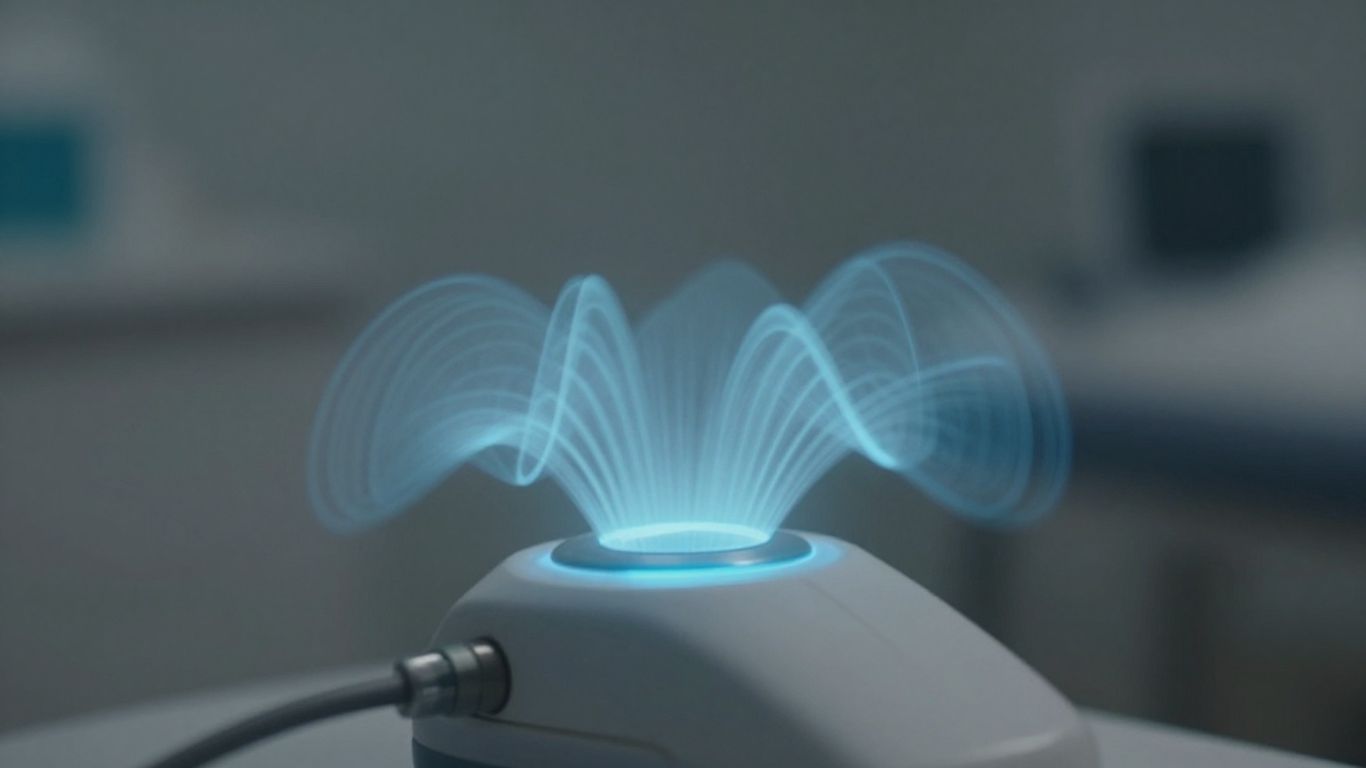
Pulsed Electromagnetic Fields, or PEMF for short, are a type of therapy that uses magnetic fields to interact with the body. Think of it like a gentle, targeted electrical signal delivered without direct contact. These fields are generated by devices that create electrical currents flowing through coils, which then produce a magnetic field. The key here is that these fields are pulsed, meaning they turn on and off in a specific pattern, rather than being constant like a regular magnet. This pulsing is what allows them to influence biological processes.
Distinguishing PEMF from Static Magnetic Fields
It’s easy to get confused between PEMF and static magnetic fields, but they work quite differently. Static magnetic fields, like those from a refrigerator magnet, are always on and don’t change. They have a constant pull. PEMF, on the other hand, involves fields that are switched on and off. This dynamic nature is really important. It’s this pulsing action that seems to be the active ingredient, allowing the fields to communicate with our cells in a way that static fields just can’t.
Here’s a quick breakdown:
- Static Magnetic Fields: Constant, unchanging magnetic force. Think of a simple bar magnet.
- Pulsed Electromagnetic Fields (PEMF): Magnetic fields that are turned on and off in a specific pattern. They are dynamic and change over time.
High vs. Low Frequency PEMF Therapy
When we talk about PEMF, the frequency of the pulses matters a lot. There are generally two main categories: low-frequency and high-frequency. Low-frequency PEMF typically uses coils and is often associated with higher intensity, measured in units like Gauss. High-frequency PEMF, on the other hand, often uses antenna-like circuits and operates at much lower intensities, measured in milliwatts, but at much higher frequencies, sometimes in the megahertz range.
| Type of PEMF | Common Intensity Measurement | Typical Frequency Range |
|---|---|---|
| Low Frequency | Gauss (G) | Hertz (Hz) |
| High Frequency | Milliwatts (mW) | Megahertz (MHz) |
The specific frequency and intensity used can significantly impact how the PEMF therapy affects the body, which is why understanding these differences is key to appreciating its therapeutic potential.
Mechanisms of Pulsed Electromagnetic Treatment
So, how does this whole pulsed electromagnetic field (PEMF) thing actually work? It’s not magic, even though the results can sometimes feel like it. It all comes down to how these fields interact with our bodies at a really tiny level.
Interaction with Biological Systems
Think of your cells like tiny electrical batteries. They have membranes, and on these membranes are charged particles, like ions. When a pulsed electromagnetic field comes along, it can actually make these charged particles on the cell surface vibrate. This vibration isn’t just random noise; it can influence how things move in and out of the cell. This interaction is key to how PEMF therapy affects our biology. It’s like gently nudging a complex system to get it working better.
Influence on Cellular Processes
When those ions on the cell membrane get nudged, it can trigger a chain reaction. This can affect things like:
- Cell signaling: How cells talk to each other and respond to their environment.
- Ion channel activity: These are like little gates that control what goes in and out of the cell. PEMF can influence whether these gates open or close.
- Cell membrane potential: The electrical charge across the cell membrane, which is vital for many cell functions.
These changes can then influence more complex cellular activities, like how fast cells grow, whether they divide, or even if they need to self-destruct (apoptosis) when they’re damaged.
Modulation of Key Biological Pathways
Beyond just individual cells, PEMF can influence bigger biological processes. It’s thought to affect pathways involved in:
- Inflammation: Helping to calm down excessive inflammation.
- Tissue repair: Encouraging cells to rebuild damaged tissue.
- Blood flow: Improving circulation to an area.
Essentially, PEMF seems to help restore a kind of balance, or homeostasis, within the body’s systems. It’s not about forcing a change, but rather guiding the body’s natural healing and regulatory processes back on track. The specific effects can depend a lot on the frequency and intensity of the pulses used, which is why different conditions might need different treatment settings.
Therapeutic Benefits of Pulsed Electromagnetic Treatment

Pulsed Electromagnetic Field (PEMF) therapy has shown some really interesting results when it comes to helping the body heal and feel better. It’s not just about one thing; it seems to help in a few different ways, making it a versatile tool in the wellness world. The core idea is that these targeted electromagnetic pulses can encourage your body’s natural repair processes.
Enhancing Tissue Healing and Regeneration
One of the most talked-about benefits of PEMF is its ability to speed up how tissues heal. Think about cuts, bruises, or even more serious injuries. PEMF seems to give these areas a nudge, helping cells do their job more effectively. It’s been observed to help with things like:
- Boosting cell growth: The pulses can encourage cells to divide and multiply, which is key for repairing damaged tissue.
- Improving blood flow: Better circulation means more oxygen and nutrients get to the injured site, aiding the healing process.
- Reducing inflammation: While it helps healing, it also works to calm down swelling and irritation, which can be a big part of the recovery puzzle.
This makes it a promising option for recovery after surgery or injuries. You can find out more about how PEMF therapy supports the body’s natural healing processes here.
Pain Relief and Inflammation Management
Many people turn to PEMF therapy specifically for pain relief. It appears to work by interfering with pain signals and also by reducing the inflammation that often causes pain in the first place. For conditions like arthritis or chronic back pain, this can make a significant difference in daily comfort. Some studies suggest that specific frequencies are better for different issues, with lower intensities often used for chronic pain and inflammation.
Applications in Bone and Wound Healing
When it comes to bones, PEMF therapy has a history of being used to help fractures heal, especially those that are slow to mend. The electromagnetic fields can stimulate bone-forming cells, encouraging new bone growth. This is particularly relevant in areas like dental implantology, where getting the bone to integrate properly with the implant is vital for success. Similarly, for wounds, especially chronic ones like diabetic foot ulcers, PEMF has shown an ability to improve healing rates and reduce inflammation, potentially by improving circulation and stimulating cellular activity in the wound bed. The effectiveness can depend on the specific signal characteristics, like frequency and intensity, used in the treatment.
Clinical Applications of Pulsed Electromagnetic Treatment
So, where are we actually seeing PEMF therapy being used in the real world? It’s pretty interesting how this technology is branching out.
General Medicine Applications
In general medicine, PEMF therapy is showing up in a few key areas. It’s often used to help with pain, especially for things like osteoarthritis. Think about people dealing with chronic joint pain; PEMF can offer some relief by reducing inflammation. It’s also been looked at for speeding up recovery after surgery, helping tissues heal a bit faster. Some studies even suggest it can help with nerve pain. It’s not a magic bullet, of course, but it’s becoming a useful tool in the doctor’s toolkit for managing certain conditions.
- Pain management, particularly for joint issues.
- Reducing inflammation in various conditions.
- Aiding post-operative recovery.
- Potential for nerve pain relief.
The idea is to use these electromagnetic pulses to encourage the body’s natural healing processes. It’s like giving your cells a little nudge to get back to work more efficiently.
Dental Implantology and Osseointegration
This is a really neat area where PEMF is making a difference. When someone gets a dental implant, the big goal is for the implant to fuse with the jawbone – that’s called osseointegration. PEMF therapy seems to help this process along. It can encourage bone cells to grow and attach to the implant surface, making the implant more stable. This is super important for the long-term success of dental implants. There’s also some research looking into its ability to help fight off bacteria around the implant site, which is another bonus.
Potential in Oncology Treatment
This is a more cutting-edge area, and research is still ongoing, but it’s got potential. PEMF therapy is being explored as a complementary treatment for cancer. The cool thing is that it seems to affect cancer cells without harming healthy cells, which is a big deal when you think about the side effects of some traditional cancer treatments. Studies have looked at its effects on different types of cancer cells in labs and in animal models. While it’s not a standalone cancer cure, it might help make other treatments work better or reduce some of their harsh side effects. More human trials are definitely needed here, but the early signs are promising.
Optimizing Pulsed Electromagnetic Treatment Protocols
Getting the most out of Pulsed Electromagnetic Field (PEMF) therapy really comes down to the details. It’s not just about turning on the machine; it’s about understanding how to fine-tune the treatment for the best results. Think of it like tuning a radio – you need to hit the right frequency to get a clear signal. The same applies here, where the signal characteristics are key.
Importance of Signal Characteristics
The way the electromagnetic field is delivered makes a big difference. We’re talking about things like the intensity of the pulse, how often it repeats (frequency), and the shape of the pulse itself. Different conditions seem to respond better to different types of signals. For example, some research suggests that lower frequencies might be better for promoting relaxation and sleep, while higher frequencies could be more useful for stimulating bone growth. It’s a complex interplay, and getting it right means looking at the specific biological target.
Parameter Considerations for Therapeutic Outcomes
When setting up a PEMF treatment, several parameters need careful thought. These aren’t just random numbers; they’re chosen based on what we know about how cells and tissues react to these fields.
Here’s a quick rundown of what’s usually considered:
- Intensity (Amplitude): Measured in Gauss, this is the strength of the magnetic field. Lower intensities (around 1-10 Gauss) are often used for pain and inflammation, while higher ones (15-30 Gauss) might be needed for bone healing.
- Frequency: This is how many pulses happen per second (Hz). Different frequencies have different effects; for instance, 2 Hz is linked to improved sleep, while 50 Hz might help with pain and inflammation.
- Pulse Duration: How long each individual pulse lasts. Shorter pulses might be better for acute pain, while longer ones could be beneficial for chronic issues.
- Treatment Duration and Frequency: How long each session lasts and how many sessions are done per day or week. A study found that a specific duration of PEMF therapy, lasting 4 hours over three consecutive days, significantly reduced certain markers [f093]. This shows that the total time spent receiving treatment matters.
Standardization for Consistent Results
One of the challenges in PEMF therapy is making sure everyone gets consistent results. Because there are so many variables, different clinics or devices might use slightly different protocols. This can make it hard to compare studies and know exactly what works best.
Developing standardized protocols is a big goal. It means agreeing on the best parameters for specific conditions so that patients can rely on predictable outcomes, no matter where they receive treatment. This standardization is vital for moving PEMF therapy forward in mainstream medicine.
Ultimately, optimizing PEMF protocols is an ongoing process. It involves combining scientific research with clinical experience to tailor treatments that are safe and effective for each individual. It’s about finding that sweet spot where the electromagnetic signals can do their best work.
Pulsed Electromagnetic Treatment Compared to Other Modalities
When we talk about therapies that use energy to help the body heal, it’s good to know how they stack up against each other. Pulsed Electromagnetic Field (PEMF) therapy isn’t the only game in town, and understanding its place alongside other methods like Low-Level Laser Therapy (LLLT) and ultrasound can be helpful.
Comparison with Low-Level Laser Therapy
LLLT, often called photobiomodulation, uses light to encourage cell activity. PEMF, on the other hand, uses magnetic fields. While both can help with pain and healing, they work differently. Some studies suggest PEMF might have an edge in certain situations. For example, in treating diabetic foot ulcers, PEMF has shown a good ability to reduce inflammation and encourage new blood vessel growth, sometimes more effectively than laser therapy. It’s also been noted for its dual effect on muscles, potentially leading to better pain relief in conditions like myofascial pain.
Advantages Over Ultrasound Therapy
Ultrasound therapy uses sound waves to create heat and vibrations deep within tissues. This can be useful for breaking down scar tissue and reducing inflammation. However, PEMF therapy offers a non-contact approach and can penetrate deeper without causing heat buildup, which can be a concern with ultrasound. PEMF’s ability to influence cellular processes at a more fundamental level, like affecting ion channels and cell membrane potential, sets it apart. This can lead to different therapeutic outcomes, particularly in areas where deep tissue penetration and cellular stimulation are key.
Synergistic Effects with Combined Therapies
It’s not always an either/or situation. Sometimes, combining therapies can yield even better results than using them alone. PEMF has been explored alongside other treatments, like ozone gas for improving ovarian function in women undergoing IVF. This suggests that PEMF can work well with other modalities, potentially amplifying their benefits or addressing different aspects of a condition simultaneously. The key is often in how the signals are matched and timed.
The effectiveness of any electromagnetic therapy, including PEMF, often hinges on the specific characteristics of the signal used. Factors like the intensity, frequency, and duration of the pulses are not arbitrary; they are carefully chosen to interact with biological systems in a targeted way. Getting these parameters right is what makes the difference between a helpful treatment and one that doesn’t do much.
Here’s a quick look at some general comparisons:
- PEMF: Uses magnetic fields, non-contact, can penetrate deeply, influences cellular electrical activity.
- LLLT: Uses light (photons), can be direct contact or near-contact, targets cellular energy production (mitochondria).
- Ultrasound: Uses sound waves, can be contact or gel-mediated, creates thermal and mechanical effects in tissues.
Each modality has its strengths, and the best choice often depends on the specific condition being treated and the individual patient’s needs.
Wrapping It Up
So, we’ve looked at what pulsed electromagnetic fields, or PEMFs, are all about and how they can help. It seems like this technology has a lot going for it, from helping bones heal to easing pain and reducing swelling. While it’s not a magic bullet for everything, the research shows it’s a pretty useful tool in our medical toolbox. As we keep learning more and refining how we use it, PEMF therapy looks set to play an even bigger role in helping people feel better and recover faster. It’s definitely an area worth keeping an eye on as it continues to develop.
Frequently Asked Questions
What exactly is Pulsed Electromagnetic Field (PEMF) therapy?
PEMF therapy uses special devices to send out magnetic fields that pulse, or turn on and off, in a specific pattern. Think of it like a gentle, invisible wave that can reach deep into your body to help with healing and pain.
How is PEMF therapy different from just using a regular magnet?
Regular magnets, called static magnets, have a constant magnetic field. PEMF therapy uses fields that change over time, which scientists believe makes them more effective at interacting with your body’s cells and promoting healing processes.
Can PEMF therapy help with pain and swelling?
Yes, it can! PEMF therapy is often used to help reduce pain and swelling. It’s thought to work by calming down inflammation and encouraging your body’s natural repair systems.
What kinds of injuries or conditions can PEMF therapy help with?
PEMF therapy has shown promise in helping with things like bone fractures that heal slowly, wounds that are taking a long time to close, and even conditions like arthritis. It’s also being explored for other uses.
How long does it take to feel better with PEMF therapy?
The time it takes to notice improvements can vary a lot from person to person and depends on what condition is being treated. Some people might feel a difference in a few sessions, while others may need more time and consistent treatment.
Are there any reasons why someone shouldn’t use PEMF therapy?
While PEMF therapy is generally considered safe, there are a few situations where it might not be recommended. It’s always best to talk to your doctor before starting any new treatment, especially if you have certain medical implants like pacemakers or are pregnant.