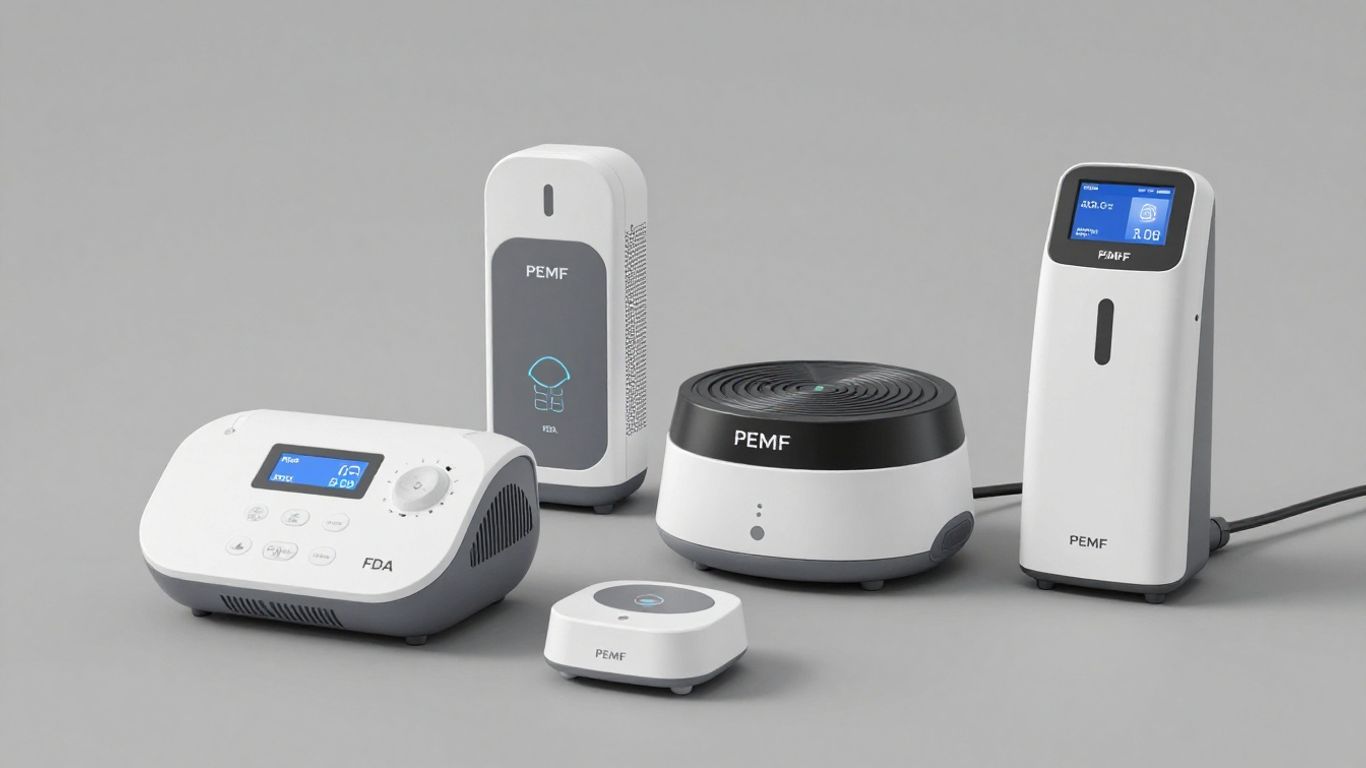
Thinking about trying Pulsed Electromagnetic Field (PEMF) therapy? It’s a treatment that uses magnetic fields to help your body heal. Lots of people are curious about it, especially since it’s become more available for home use. You might have heard about it from friends or maybe even seen it mentioned online. This article is here to give you a clear picture of what PEMF is all about, what the FDA says, and what to look for if you’re considering getting a device. We’ll cover the basics so you can make a good choice for your health.
Key Takeaways
- The FDA has cleared certain PEMF devices for specific uses, including pain relief and aiding bone healing. Always check the specific approvals for any device.
- PEMF therapy works by using pulsed electromagnetic fields to stimulate cells, potentially helping with pain, inflammation, circulation, and even sleep.
- When choosing a PEMF device, consider factors like the strength of the magnetic field, the type of waveform, how easy it is to use, and safety testing.
- There are different types of PEMF machines available, from smaller units for targeted areas to larger mats for whole-body treatment, and professional-grade machines for clinical settings.
- It’s a good idea to talk to a healthcare professional before starting PEMF therapy to make sure it’s right for your health needs and to discuss how it fits with other treatments you might be using.
Understanding FDA-Approved PEMF Devices
When you’re looking into new health technologies, it’s smart to see what the Food and Drug Administration (FDA) has to say about them. For Pulsed Electromagnetic Field (PEMF) devices, the FDA has given the green light for certain uses, which is a big deal for people wanting to use them at home. It means these devices have gone through a review process to make sure they’re safe and effective for what they’re intended for.
The FDA’s Stance on PEMF Technology
The FDA’s involvement with PEMF technology isn’t exactly new. They’ve been looking at these devices for a while. The key thing to remember is that FDA approval doesn’t mean a device is a magic cure for everything. Instead, it means the device has been cleared or approved for specific health conditions or uses. Think of it like getting a prescription for a particular ailment; the medicine is approved for that, not for general wellness.
Key Indications for FDA Approval
So, what exactly have PEMF devices been approved for? The FDA has cleared or approved them for a few specific things. Historically, some devices have been approved for helping bone fractures heal, especially when they aren’t healing on their own. Others have been cleared for managing pain after surgery and even for certain types of depression and migraines. It’s important to know that the specific approval depends on the device and its intended use.
Here’s a general idea of what you might see:
- Bone healing (non-unions, post-surgical fusion)
- Pain management (post-operative, chronic pain)
- Depression
- Migraines
Navigating the Approval Process
Understanding the FDA approval process can be a bit confusing. Devices often go through a 510(k) clearance, which means they are substantially equivalent to a device already on the market. For more serious claims or novel technologies, a Premarket Approval (PMA) might be required, which is a more rigorous review. When looking at a PEMF device, check what kind of FDA clearance or approval it has and what specific conditions it’s cleared for. This information is usually available from the manufacturer.
It’s not uncommon for medical technologies to have a period where their use is established through observed results before the exact ‘why’ is fully understood. The FDA often bases its approvals on demonstrated safety and effectiveness for specific applications, even if the complete biological mechanism is still being researched.
Benefits and Applications of PEMF Therapy
PEMF therapy is really gaining steam, and for good reason. It’s a pretty neat way to help your body out without needing surgery or a bunch of pills. Think of it as giving your cells a little boost to help them do their jobs better. It’s not just for one thing, either; people are finding it helpful for a bunch of different issues.
Pain Management and Recovery Acceleration
One of the biggest draws for PEMF is its ability to help with pain. It seems to work by reducing inflammation, which is often a big part of why things hurt. When inflammation goes down, pain usually follows. Plus, it can speed up how quickly your body heals itself. So, if you’ve got a sports injury or just general aches and pains, PEMF might help you get back on your feet faster. It’s like giving your body’s repair crew a bit of extra energy to get the job done.
Reducing Inflammation and Improving Circulation
This is a big one. Inflammation is linked to so many health problems, and PEMF therapy seems to have a knack for calming it down. It also helps get your blood flowing better. Better circulation means more oxygen and nutrients are getting to all your tissues and organs. This can make a difference in how well everything functions, from your muscles to your brain.
Enhancing Mobility and Cellular Health
When your cells are working optimally, your whole body tends to function better. PEMF therapy is thought to help energize your cells, which can lead to improvements in how well you move and feel. It’s all about supporting your body’s natural processes at a fundamental level. The idea is to get your cells back to their ideal energetic state.
Addressing Sleep and Mental Well-being
It’s not just about physical stuff. Some people find PEMF therapy helps them sleep better. It might help regulate your body’s natural sleep cycles. There’s also talk about it helping with stress and even things like anxiety and depression, though everyone responds a bit differently. It’s a non-invasive approach that many are turning to for a sense of calm and better rest.
Choosing the Right PEMF Device for Your Needs
So, you’re looking into PEMF devices and feeling a bit overwhelmed? Totally understandable. There are a bunch of options out there, and figuring out which one is best for you can feel like a puzzle. Let’s break down the main types to make things clearer.
Home Use PEMF Machines: Features and Considerations
These are the ones you’ll likely see advertised for personal use. They’re designed to be pretty straightforward, which is great if you’re not a tech wizard. Think user-friendly controls and maybe even a compact size so you can tuck it away when you’re not using it. While they generally don’t pack the same punch as the heavy-duty medical versions, they can still be really helpful for everyday stuff like easing aches, improving sleep, or helping with minor bumps and bruises. When you’re checking these out, look at how easy they are to operate, how long the battery lasts (if it has one), what kinds of pre-set programs are included, and what attachments (like mats or smaller pads) come with it. Many come with specific settings for common issues, making them pretty accessible. It’s important to remember that even for home use, chatting with your doctor about whether PEMF is a good fit for you is a smart move.
Medical Grade PEMF Machines: Advanced Capabilities
These are the big guns, usually found in clinics or doctor’s offices. They’re built for more serious therapeutic work and have some extra bells and whistles. You get a lot more control over things like the strength of the magnetic field, the frequency, and the specific pattern of the waves. They often have larger mats or applicators to cover more of your body at once. Plus, they’re built tough for daily use and usually have more advanced features for tracking your sessions. If you’re a healthcare provider looking to offer PEMF therapy, these are probably what you’d be considering.
Types of PEMF Machines: Mats, Pads, and Applicators
Beyond the home vs. medical distinction, the physical form of the device matters too. You’ve got:
- Whole-Body Mats: These are like comfortable mats you lie on, designed to treat your entire body at once. Great for general wellness or when you need broad coverage.
- Pads: These are usually smaller and more flexible than mats. You can place them on specific areas, like your back or knee, for targeted treatment.
- Applicators: This is a broader term that can include things like loops, paddles, or even smaller probes. These are for very specific, localized treatment, like focusing on a particular joint or muscle.
Your choice here really depends on what you’re trying to address. Are you looking for overall relaxation, or do you need to zero in on a nagging pain spot? Thinking about this will help narrow down your options considerably.
Factors to Consider When Selecting a PEMF Device
So, you’re thinking about getting a PEMF device. That’s cool! But with so many options out there, how do you pick the right one? It’s not just about grabbing the first shiny box you see. You’ve got to think about a few things to make sure you’re getting something that actually works for you and your health goals.
Electromagnetic Field Strength and Waveform
This is kind of a big deal. The strength of the magnetic field matters, but more isn’t always better. It’s more about the type of field and how it’s delivered. Different conditions might respond better to different strengths and patterns, called waveforms. Think of it like tuning a radio – you want the right frequency for clear reception. Some devices offer a wider range of strengths and waveforms, which can be good if you’re not sure exactly what you need or if you want to experiment. Others are more specialized.
Ease of Use and User Interface
Let’s be real, nobody wants to spend hours figuring out how to turn on their health device. If you’re planning to use it at home, you probably want something straightforward. Look for devices with clear instructions and simple controls. Many home units come with pre-set programs for common issues like pain or sleep, which makes them super easy to jump into. If you’re looking at a medical-grade machine for a clinic, you might want more advanced controls, but even then, a well-designed interface makes a huge difference.
Safety Testing and Manufacturer Support
This is non-negotiable. You absolutely need to make sure the device you’re considering has been tested for safety. Look for certifications or evidence that the manufacturer has done their homework. Also, think about the company behind the device. Do they offer good customer support? What’s their warranty like? If something goes wrong, or if you have questions about using the device, you’ll want to know you can get help. A company that stands by its product is usually a good sign.
Investment and Return on Investment
PEMF devices can range quite a bit in price. It’s definitely an investment, so you need to figure out what fits your budget. Don’t just assume the most expensive one is the best. Sometimes a less costly option might be perfectly fine for your needs. If you’re thinking about this for a business, you’ll want to consider how quickly you can expect to see a return on that investment. For home use, think about the long-term value of having therapy readily available.
Here’s a quick rundown of what to look for:
- Device Type: Mats, pads, or targeted applicators? What fits your needs best?
- Field Parameters: Check the strength range and waveform options.
- User-Friendliness: Is it easy to set up and operate?
- Safety & Support: Look for testing and good customer service.
- Cost: Does it fit your budget and offer good long-term value?
Choosing a PEMF device is a personal decision. It’s wise to do your research and, if possible, talk to a healthcare professional or a PEMF expert to help guide you toward the best option for your specific situation. They can help you understand the technical specs and how they relate to your health goals.
Integrating PEMF into Your Health Regimen
So, you’ve got your FDA-approved PEMF device, and you’re ready to start feeling better. That’s awesome! But how do you actually make it a regular part of your life without it feeling like a chore? It’s not just about turning the machine on and hoping for the best. Think of it like adding a new workout routine or a healthy meal plan – consistency is key, and it works best when it fits into your existing life.
Consulting Healthcare Professionals
Before you jump in headfirst, it’s a really good idea to chat with your doctor or a healthcare provider who knows about PEMF. They can help you figure out if it’s the right move for your specific health situation. They might also have suggestions on how to use it safely and effectively, especially if you have any existing conditions or are taking medications. It’s like getting a personalized roadmap for your PEMF journey.
- Discuss your health goals with your provider.
- Ask about recommended session lengths and frequencies.
- Inquire about any potential interactions with current treatments.
Remember, PEMF is often a complementary therapy. It’s meant to work alongside other treatments, not necessarily replace them entirely. Your healthcare team can help you find that balance.
Consistency for Optimal Results
This is where the magic really happens. PEMF therapy isn’t usually a one-and-done deal. To really see the benefits, you’ve got to stick with it. Think of it like watering a plant – a little bit regularly is way better than a flood once in a blue moon. Setting a schedule that you can actually manage is super important. Maybe it’s 15 minutes every morning before you start your day, or perhaps a longer session a few times a week in the evening.
Here’s a sample weekly schedule idea:
| Day | Session Time | Focus Area |
|---|---|---|
| Monday | 20 minutes | General Wellness |
| Wednesday | 20 minutes | Specific discomfort |
| Friday | 20 minutes | Relaxation |
PEMF as a Complementary Therapy
It’s worth repeating: PEMF devices are fantastic tools, but they often shine brightest when used with other healthy habits. Think of it as part of a bigger picture for your well-being. Combining PEMF with things like a balanced diet, regular movement, good sleep hygiene, and stress management techniques can really amplify the positive effects. It’s about creating a holistic approach to feeling your best, rather than relying on a single solution. So, while your PEMF device is working its wonders, keep up with those other healthy practices too!
The Science and Mechanism Behind PEMF
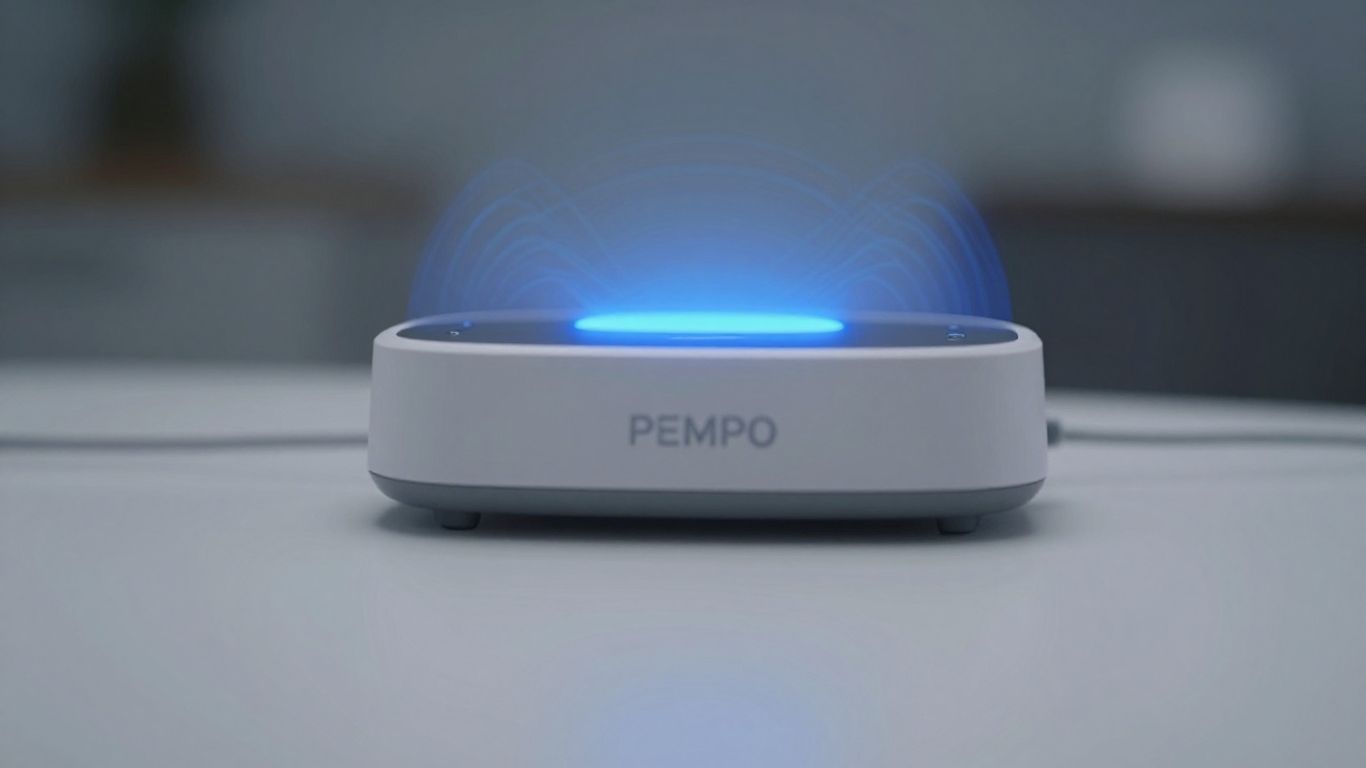
So, how exactly does Pulsed Electromagnetic Field (PEMF) therapy work its magic? It’s not some mystical force; it’s rooted in science, specifically how our cells function. Think of your body’s cells like tiny batteries. Over time, due to stress, injury, or just daily life, these batteries can get depleted. PEMF therapy aims to recharge them.
Cellular Stimulation and Energy Enhancement
At its core, PEMF therapy uses low-frequency electromagnetic fields to interact with your body’s cells. These fields are designed to penetrate tissues and stimulate cellular activity. The primary goal is to improve the electrical potential across the cell membrane, which is vital for cellular function. When cells are healthier and have more energy, they can perform their jobs better. This includes processes like nutrient uptake, waste removal, and repair. It’s like giving your cells a much-needed boost to get back to optimal performance. This stimulation can lead to a cascade of positive effects throughout the body, influencing everything from tissue repair to nerve function. The technology is based on the principle that specific electromagnetic frequencies can encourage natural biological processes [c756].
Non-Invasive Treatment Approach
One of the most appealing aspects of PEMF is that it’s completely non-invasive. Unlike surgery or even some forms of physical therapy, PEMF doesn’t require needles, incisions, or direct physical manipulation. The electromagnetic waves are safe and painless, falling into the non-ionizing part of the electromagnetic spectrum. This means you can relax while the device does its work, making it a comfortable option for many people seeking relief or recovery. It’s a gentle way to encourage healing without adding more stress to the body.
Observed Clinical Uses and Effects
While the exact biophysical mechanisms are still being explored and debated, the practical applications and observed results of PEMF therapy are quite extensive. Regulatory bodies have approved PEMF devices for specific uses, such as aiding bone fracture healing and managing certain types of pain. The therapy has been around for decades, with early approvals dating back to the late 1970s for bone healing applications. Today, its use spans various conditions, from chronic pain to aiding recovery after surgery. The growing body of evidence from clinical uses provides a strong indication of its therapeutic potential, even as the scientific community continues to refine its understanding of the underlying science. Many people find it beneficial for overall wellness and recovery [c756].
Wrapping It Up
So, we’ve looked at a bunch of FDA-approved PEMF devices. It’s pretty neat how this technology works by using magnetic fields to help your body out. Whether you’re dealing with pain, trying to recover from an injury, or just want to feel a bit better overall, these devices could be something to think about. Remember, though, it’s always a good idea to chat with your doctor before you start using any new health gadget. They can help you figure out if PEMF is the right fit for what you need. Keep exploring your health options!
Frequently Asked Questions
Are PEMF devices approved by the FDA?
Yes, many PEMF devices have received clearance or approval from the FDA for specific uses. The FDA has cleared some devices for things like helping to heal broken bones that aren’t healing well and for reducing pain after surgery. It’s important to check the specific device’s approval status for its intended use.
What are the main benefits of using a PEMF device?
PEMF devices can help with pain relief and speed up healing after injuries. They may also help reduce swelling, improve blood flow, and boost how well your cells work. Some people find they help with sleep and feeling less stressed too.
Can I use a PEMF machine at home?
Absolutely! Many PEMF machines are designed for home use. They are usually easy to operate and can help with common issues like ongoing pain, trouble sleeping, or minor aches and pains. Just make sure to follow the instructions and talk to your doctor.
What’s the difference between home and medical-grade PEMF machines?
Medical-grade machines are typically used by doctors and therapists. They often have more advanced controls for things like field strength and frequency, and might cover larger areas of the body. Home units are generally simpler to use and designed for everyday wellness.
What should I think about when choosing a PEMF device?
Consider the strength and type of energy waves (waveform) the device uses, how easy it is to use, and if it has been tested for safety. Also, think about the price and how much you’re willing to spend. It’s always a good idea to talk to a healthcare provider before buying.
How do PEMF devices actually work?
PEMF devices send gentle pulses of magnetic energy into your body. These pulses are thought to help your cells work better, like giving them a little ‘recharge.’ This can help reduce pain, speed up healing, and improve overall body function without any pain or discomfort.
Leave a Reply