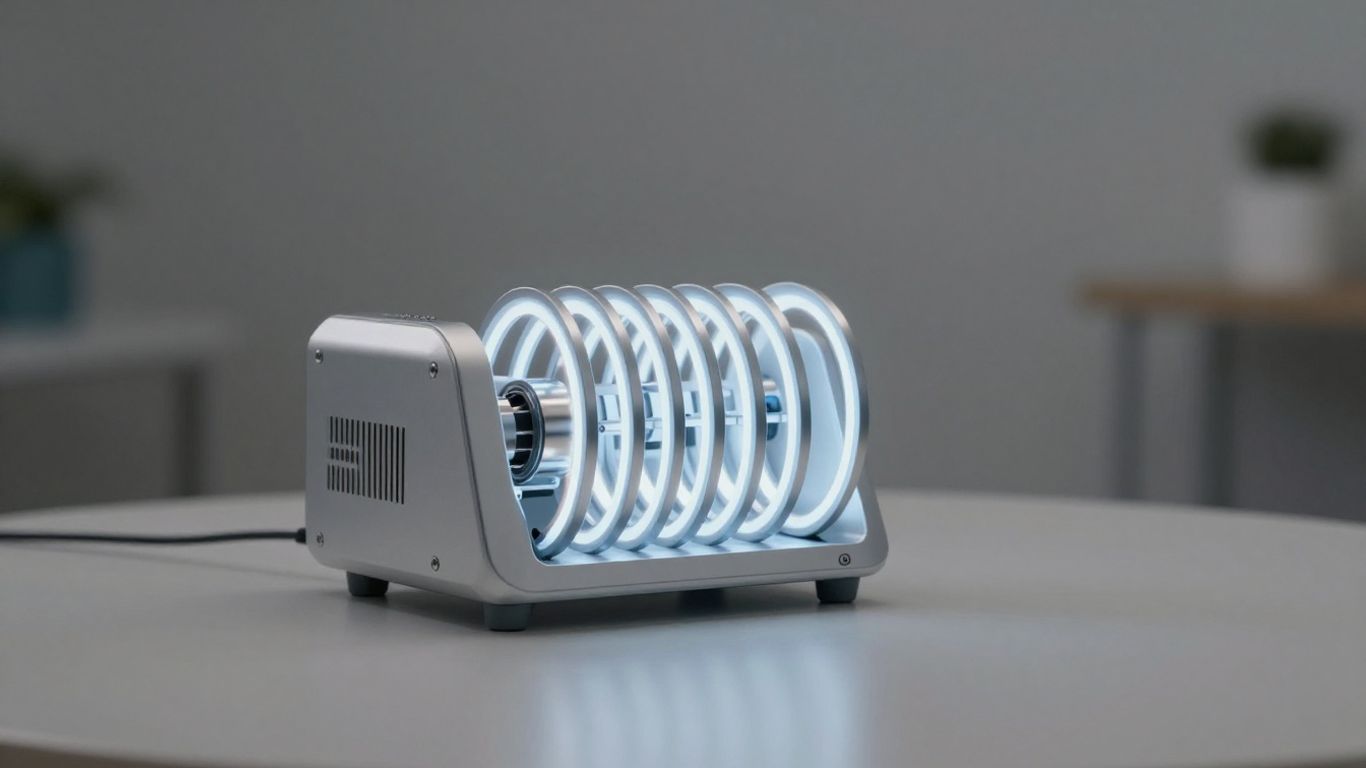
So, you’ve been hearing about PEMF machines and wondering what all the fuss is about. It sounds a bit sci-fi, right? But it’s actually a pretty straightforward idea that’s gaining traction in the wellness world. Basically, these devices use magnetic fields to give your cells a little boost. Think of it like recharging your body’s batteries from the inside out. We’re going to break down what a PEMF machine is, how it works, and what it might do for you, all in plain English. No complicated jargon, just the facts.
Key Takeaways
- PEMF therapy uses pulsed electromagnetic fields to help the body’s natural healing processes.
- These fields are thought to work by interacting with cells, potentially improving their function and energy.
- The technology aims to mimic natural frequencies found in the Earth’s environment.
- PEMF devices come in various forms, from portable units to larger mats, with different frequencies and strengths.
- Research is ongoing, but studies suggest PEMF may help with pain, inflammation, and recovery.
Understanding What Is A Pemf Machine
So, what exactly is a PEMF machine? At its heart, it’s a device designed to deliver pulsed electromagnetic fields to the body. Think of it as a way to give your cells a little boost, using natural energy principles. PEMF stands for Pulsed Electromagnetic Field therapy, and it’s all about working with your body’s own electrical signals to help it function better.
The Core Concept of PEMF Therapy
PEMF therapy is a non-invasive approach that uses low-frequency electromagnetic pulses. The idea is to mimic the natural electromagnetic fields that are all around us, and even within us. Our bodies are naturally electrical, and every cell communicates using these signals. When these signals get out of balance, or when cells lose their charge, it can lead to various issues. PEMF therapy aims to re-establish that healthy electrical charge and communication within the cells.
PEMF’s Role in Cellular Health
Cells are the building blocks of everything in our bodies, and they need energy to do their jobs. PEMF therapy is thought to help improve cellular energy production. When cells have more energy, they can perform their functions more effectively, like repairing themselves and getting rid of waste. It’s like giving your cells a tune-up so they can run smoothly. This can lead to better overall function and a feeling of improved wellness. For instance, PEMF therapy is also being explored for its potential benefits in pet pain relief.
Mimicking Earth’s Natural Frequencies
Did you know that the Earth itself has a natural electromagnetic field? It’s true! This field, often cited around 7.8 Hz, is believed to be important for life. Over time, modern living, with all its artificial electromagnetic noise, might disrupt our natural connection to these beneficial frequencies. PEMF machines can be programmed to emit specific frequencies, including those similar to the Earth’s natural field, to help realign the body’s own electrical signals. It’s a way to bring a bit of natural balance back into our busy lives.
How PEMF Therapy Works
So, how does this whole PEMF thing actually work? It’s not magic, even though the results can sometimes feel that way. At its heart, PEMF therapy uses pulsed electromagnetic fields to interact with your body on a cellular level. Think of it like giving your cells a gentle nudge to get them back to their optimal functioning state. It’s a bit like recharging a battery, but for your body’s cells.
The Science Behind Electromagnetic Fields
Everything in the universe has an electromagnetic field, and our bodies are no different. Our cells communicate and function using electrical and chemical signals, which are essentially electromagnetic processes. Over time, due to stress, injury, or just aging, these cellular processes can get a bit out of whack. PEMF devices emit specific frequencies of electromagnetic fields that are designed to mimic the Earth’s natural frequencies. These natural frequencies are what our bodies have evolved with, and when they’re disrupted, it can affect how our cells work. By reintroducing these natural-feeling frequencies, PEMF aims to help restore cellular balance and function. It’s about working with your body’s natural electrical system, not against it. This approach is thought to help improve cellular communication and overall biological processes. The goal is to encourage cells to operate more efficiently, which can lead to a cascade of positive effects throughout the body. This is why understanding the Pulsed Electromagnetic Field (PEMF) therapy enhances cellular function is so important.
Cellular Energy and Regeneration
One of the main ways PEMF therapy is believed to work is by influencing the energy production within your cells. Cells have tiny powerhouses called mitochondria, and they produce a molecule called ATP, which is like the energy currency of the cell. PEMF is thought to help boost ATP production. More ATP means your cells have more energy to do their jobs, whether that’s repairing damage, fighting off invaders, or just keeping things running smoothly. This increased cellular energy can then support the body’s natural healing and regeneration processes. When cells are energized, they can work more effectively to repair tissues and recover from stress or injury. It’s like giving your cells the fuel they need to perform at their best.
Mechanisms of Action: Ion Exchange and Pain Reduction
PEMF therapy also works by influencing the movement of ions across cell membranes. Ions are electrically charged particles that are vital for many cellular functions, including nerve signaling and muscle contraction. PEMF fields can help to stimulate the movement of these ions, which can improve cellular communication and function. This process is particularly relevant for pain reduction. For instance, PEMF may help to reduce inflammation by influencing the production of certain molecules in the body that are involved in the inflammatory response. It can also potentially affect nerve signals, helping to interrupt pain pathways. Some research suggests that PEMF can help increase the production of nitric oxide, a molecule that helps relax blood vessels and improve circulation, which can aid in healing and reduce discomfort.
Here’s a simplified look at how it might work:
- Improved Ion Transport: PEMF helps positively charged ions move across cell membranes, which is important for cellular communication and function.
- Reduced Inflammation: It can influence the body’s inflammatory pathways, potentially lowering levels of inflammatory markers.
- Pain Signal Modulation: The electromagnetic fields may interfere with pain signals traveling to the brain.
- Enhanced Circulation: By promoting nitric oxide release, PEMF can improve blood flow, delivering more oxygen and nutrients to tissues.
The idea is that by gently stimulating cellular activity and improving the body’s natural processes, PEMF therapy can help address issues at their source, rather than just masking symptoms. It’s a way to support the body’s inherent ability to heal and maintain itself.
Key Terminology in PEMF Therapy
When you start looking into Pulsed Electromagnetic Field (PEMF) therapy, you’ll run into a few terms that might sound a bit technical. Don’t worry, though; understanding these basics is pretty straightforward and really helps you get what PEMF is all about. It’s like learning a few key phrases before visiting a new country – it makes the whole experience smoother.
Frequency and Amplitude Explained
Think of frequency as how often something happens. In PEMF, it’s measured in Hertz (Hz), which tells you how many pulses of electromagnetic energy are sent out each second. Different frequencies are thought to do different things. For instance, lower frequencies, often in the range of 1-20 Hz, are generally associated with relaxation and helping the body recover. Higher frequencies, sometimes going up to several thousand Hz, might be used for more targeted issues. The specific frequency used can influence the body’s response. You can find devices with a wide range of frequencies, and understanding this is key to choosing the right one for your needs. For more on how frequency plays a role, check out this explanation on electromagnetic pulses.
Amplitude, on the other hand, is about the strength or intensity of that electromagnetic field. It’s usually measured in units like Gauss (G) or Tesla (T). A stronger amplitude means a more powerful pulse, which can potentially reach deeper into the body’s tissues. Sometimes, for certain applications, a stronger field is needed, while for others, a gentler approach is better.
Understanding Resonance and Cellular Response
Resonance is a fascinating concept here. It’s when something vibrates at its natural frequency when exposed to an external force at that same frequency. In PEMF, the idea is that by matching the natural frequencies of your cells, the electromagnetic pulses can encourage a stronger, more effective cellular response. It’s like hitting the right note to make a glass vibrate – you’re working with the body’s natural tendencies.
Here’s a quick rundown of what we’re talking about:
- Cellular Resonance: When the PEMF frequency matches a cell’s natural frequency.
- Amplified Effect: This matching can make the cell more receptive to the energy.
- Targeted Action: Different cells and tissues might have different natural frequencies.
Pulse Duration and Its Impact
Pulse duration refers to how long each individual pulse of electromagnetic energy lasts. This is typically measured in microseconds. Shorter pulses might have a different effect than longer ones. While frequency and amplitude are often the main talking points, pulse duration also plays a role in how the PEMF energy interacts with your body’s cells. It’s another variable that contributes to the overall therapeutic outcome, though it’s often less discussed than frequency or amplitude.
The goal with PEMF is to introduce specific electromagnetic signals that encourage your body’s natural processes. By understanding terms like frequency, amplitude, and resonance, you can better appreciate how these devices aim to support your well-being at a cellular level. It’s not magic; it’s science working with biology.
Exploring Different PEMF Devices
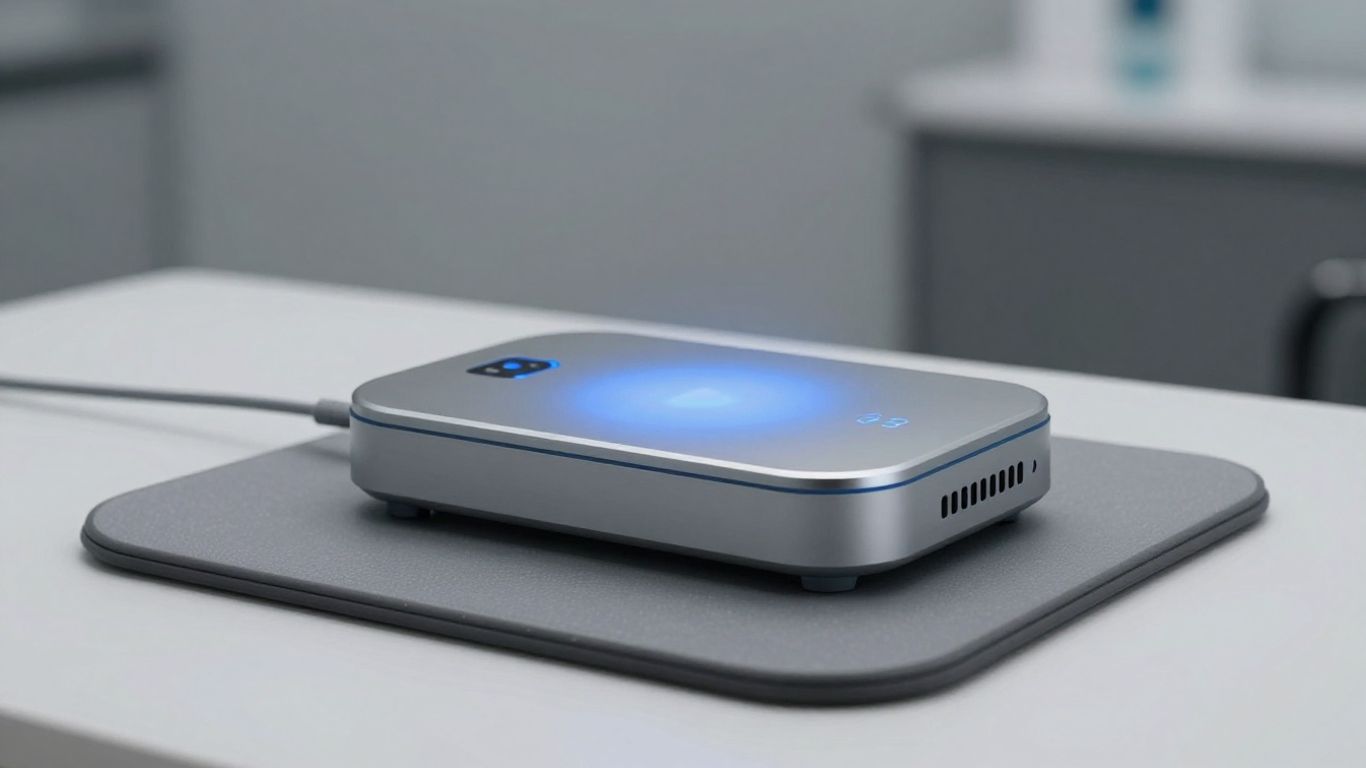
So, you’re curious about PEMF machines and wondering what’s out there? It’s not a one-size-fits-all situation, and that’s a good thing! The market offers a range of devices, each designed with different needs and lifestyles in mind. Let’s break down the main categories you’ll come across.
Low-Frequency Versus High-Frequency Devices
The primary difference often comes down to the frequency of the electromagnetic pulses. Think of it like tuning a radio – different frequencies do different things.
- Low-Frequency Devices: These typically operate in the lower Hertz (Hz) range. They’re often favored for promoting relaxation and helping to ease general discomfort. If you’re looking for a gentler approach, low-frequency might be your starting point.
- High-Frequency Devices: These operate at higher Hertz, often above a certain threshold. They are generally used for more targeted applications, like aiding recovery or supporting cellular regeneration. Because they operate at higher frequencies, they can sometimes produce more noticeable, long-term effects.
It’s important to note that the specific frequencies used can vary greatly between devices and are often tailored to particular outcomes.
The Convenience of Portable PEMF Units
Life gets busy, right? That’s where portable PEMF devices shine. These are usually compact, often battery-operated units that make it easy to get your PEMF session in wherever you are.
- Portability: Small enough to fit in a bag, perfect for travel or taking to the office.
- Ease of Use: Simple controls mean you can start a session quickly without a lot of fuss.
- Targeted Application: Many portable units come with specific applicators or pads designed to focus the PEMF on a particular area, like a sore joint or muscle.
These devices bring the benefits of PEMF therapy right to your fingertips, fitting seamlessly into your daily routine.
Medical-Grade vs. At-Home PEMF Mats
When you’re looking at PEMF devices, you’ll see a spectrum from professional, medical-grade equipment to user-friendly at-home units. The main differences usually lie in power, features, and cost.
- Medical-Grade Devices: These are typically used in clinical settings by healthcare professionals. They often have higher power outputs, a wider range of customizable settings, and are built for extensive, professional use. They can be quite an investment.
- At-Home PEMF Mats: These are designed for personal use. They offer a good balance of effectiveness and user-friendliness. You’ll find full-body mats that cover a large area, as well as smaller mats or pads for more localized treatment. They are generally more affordable and easier to operate than their medical-grade counterparts.
Choosing the right device depends on your goals, budget, and how you plan to use it. For general wellness and convenience, at-home mats and portable units are excellent. If you’re seeking specific therapeutic outcomes under professional guidance, medical-grade equipment might be considered, though often accessible through clinics rather than for personal purchase.
When considering a device, think about what you want to achieve. Are you looking for general relaxation, help with recovery, or something more specific? Your answers will guide you to the right type of PEMF technology.
Scientific Validation and Research
It’s one thing to hear about how PEMF therapy might help, but what does the actual science say? That’s a fair question, and honestly, it’s something I always want to dig into. You see a lot of claims out there, and it’s important to know if there’s solid research backing them up. Thankfully, there’s a growing body of work exploring how these electromagnetic fields interact with our bodies.
Double-Blind Studies and Placebo Effects
When you’re looking at any kind of therapy, especially one that sounds a bit out there, you want to see studies that are really well-designed. This is where double-blind studies come into play. In these studies, neither the people getting the treatment nor the researchers administering it know who is getting the actual PEMF therapy and who is getting a fake treatment, or placebo. This is super important because it helps get rid of bias. People might feel better just because they think they’re getting a treatment, and that’s the placebo effect. By comparing a group getting real PEMF to a group getting a placebo, scientists can get a clearer picture of whether the PEMF itself is making a difference.
Clinical Evidence for Specific Conditions
So, what have these studies found? Well, there’s some pretty interesting evidence emerging. For instance, research has looked into how PEMF therapy might help with bone healing, especially when bones aren’t knitting back together as they should. This is a big deal for orthopedics. There’s also evidence suggesting it can help reduce inflammation and ease discomfort, which could be a real game-changer for folks dealing with chronic pain. One study, for example, investigated the effectiveness of adding pulsed electromagnetic field (PEMF) therapy to standard physical therapy for improving nerve-related pain and daily functioning [cbe6].
Key Research on Physiological Responses
Beyond specific conditions, scientists are also looking at the more general ways PEMF affects our bodies at a cellular level. Studies are exploring how these fields can influence cellular energy and regeneration. It’s thought that PEMF can stimulate cells to repair themselves and function more efficiently. Some research even points to how PEMF can directly induce electrical currents in tissues, mimicking natural processes that are important for healing and growth. This is a complex area, but it’s where a lot of the foundational understanding of PEMF’s potential comes from.
Here’s a look at some key areas of research focus:
- Cellular Stimulation: How PEMF fields interact with cell membranes and electrical potentials.
- Inflammation Markers: Studies measuring changes in inflammatory substances in the body after PEMF treatment.
- Tissue Regeneration: Research examining the impact of PEMF on the repair and regrowth of various tissues, like bone and cartilage.
- Pain Pathways: Investigations into how PEMF might affect nerve signals and pain perception.
The scientific exploration of PEMF therapy is ongoing, with researchers working to precisely map out the mechanisms by which these electromagnetic fields influence biological processes. Understanding these interactions is key to validating its therapeutic applications and refining treatment protocols for optimal outcomes.
Benefits and Applications of PEMF
So, what exactly can PEMF therapy do for you? It’s not just about feeling a bit better; it’s about helping your body do what it does best, but a little more efficiently. Think of it as giving your cells a gentle nudge to get back on track.
Promoting Natural Healing Processes
One of the main things PEMF is used for is to support the body’s own ways of fixing itself. When you get a cut or a bruise, your body goes into repair mode. PEMF therapy is thought to help this process along. It’s believed to encourage cells to regenerate and repair themselves more effectively. This can be helpful for all sorts of things, from recovering after a workout to helping bones knit back together after a fracture. It’s like giving your body’s repair crew a bit of a boost.
Reducing Inflammation and Discomfort
Inflammation is a common cause of pain and stiffness. Many people turn to PEMF because they’re looking for ways to ease this. The idea is that the electromagnetic fields can help calm down the inflammatory response in the body. This, in turn, can lead to less discomfort and a feeling of greater ease. It’s a non-invasive approach that many find appealing compared to other methods.
Enhancing Recovery and Overall Wellness
Beyond specific issues like pain or injury, PEMF is also used to generally improve how people feel. Athletes might use it to speed up recovery after intense training, while others might use it to feel more rested and less stressed. Some users report better sleep quality and even a clearer mind. It’s about helping your body function at a better level day-to-day.
Here’s a quick look at some common applications:
- Post-Exercise Recovery: Helping muscles feel less sore after a tough workout.
- Joint Stiffness: Easing that achy feeling in your joints.
- General Well-being: Supporting a feeling of being more rested and balanced.
- Bone Health: Aiding the natural healing of bone fractures.
While PEMF therapy is generally considered safe, it’s always a good idea to chat with your doctor before starting, especially if you have any medical implants or conditions. They can help you figure out if it’s the right choice for you.
Wrapping It Up
So, we’ve taken a look at what PEMF therapy is all about. It’s basically using magnetic fields to give your cells a little boost, helping them do their thing better. While it might sound a bit sci-fi, the idea is pretty grounded in how our bodies naturally work. Lots of people are finding it helpful for all sorts of things, from feeling less achy to just generally feeling better. It’s not a magic fix, of course, but it’s definitely an interesting tool to consider for your wellness journey. Keep exploring, and see if it might be a good fit for you.
Frequently Asked Questions
What exactly is PEMF therapy?
PEMF stands for Pulsed Electromagnetic Field therapy. Imagine it like giving your cells a little energy boost. It uses gentle, pulsing magnetic fields to help your body’s natural healing power work better. It’s like recharging your body’s batteries at a tiny, cellular level.
How does PEMF therapy actually work?
Our bodies are naturally electric. PEMF therapy uses magnetic fields that mimic the Earth’s own natural energy. When these fields pass through your body, they can help your cells communicate better, reduce swelling, and make it easier for your body to fix itself and feel less pain.
Is PEMF therapy safe?
Yes, PEMF therapy is generally considered safe and non-invasive. It doesn’t involve drugs or surgery. The magnetic fields used are gentle and similar to the natural magnetic fields we’re exposed to every day, just in a more focused way.
What are the main benefits of using a PEMF machine?
People use PEMF for many reasons! It can help reduce pain and swelling, speed up healing after injuries or exercise, improve sleep, and generally help your body feel more balanced and energetic. It supports your body’s own ways of getting better.
Are there different types of PEMF devices?
Yes, there are! Some devices are small and portable for use at home, while others are larger and used in clinics. They also come in different strengths and use various frequencies, which might be better for different needs, like relaxation versus faster healing.
Does scientific research support PEMF therapy?
There’s a growing amount of research looking into PEMF therapy. Studies have shown promising results for things like helping bones heal, reducing pain from conditions like arthritis, and speeding up recovery. Scientists are still learning more, but the evidence is building.
Leave a Reply