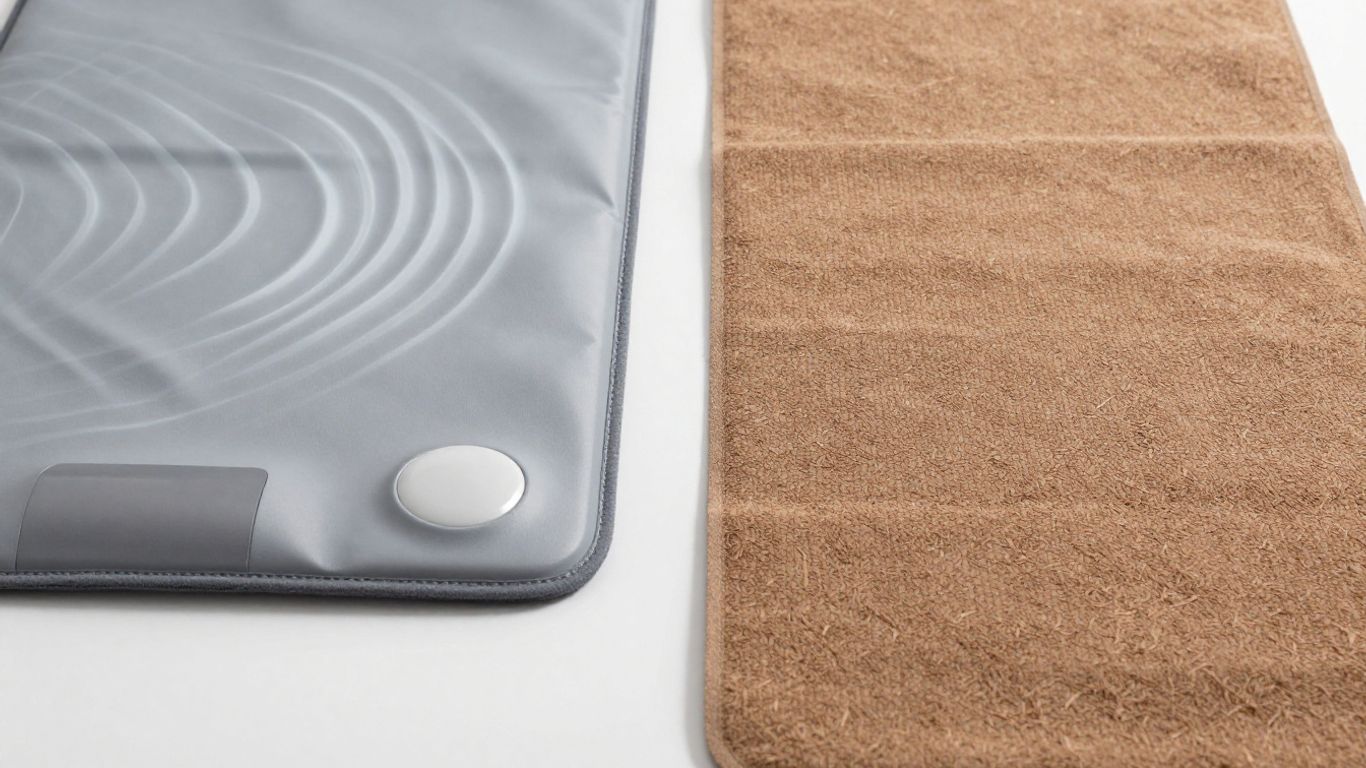
So, you’re curious about what’s really going on with PEMF mats and grounding mats, huh? It’s easy to get lost in all the wellness jargon out there, but figuring out the difference between these two types of mats can be a big step in boosting your well-being. We’re going to break down exactly what each one does, how they work, and how they might fit into your life. Think of this as your no-nonsense guide to understanding the PEMF Mat Vs Grounding Mat debate.
Key Takeaways
- PEMF mats use pulsed electromagnetic fields to mimic natural frequencies, aiming to support cellular function and balance the body’s systems, especially when exposed to man-made electromagnetic fields.
- Grounding mats offer a direct connection to the Earth’s natural electrons, helping to neutralize positive charges in the body and potentially reduce inflammation and stress.
- While distinct, some advanced mats combine both PEMF and grounding technologies for a more comprehensive wellness experience.
- PEMF therapy is often associated with relaxation, vitality, and recovery from injuries, while grounding is linked to stress reduction and improved sleep quality.
- Choosing between a PEMF mat and a grounding mat, or a combination, depends on your personal wellness goals, and trusting your intuition can be a helpful guide.
Understanding PEMF Therapy
What is Pulsed Electromagnetic Field Therapy?
So, what exactly is Pulsed Electromagnetic Field (PEMF) therapy? Think of it as a way to give your body’s cells a little nudge, helping them work better. It uses magnetic fields, delivered in pulses, to interact with your body. These aren’t just random pulses; they’re designed to mimic natural frequencies that our bodies recognize and respond to. PEMF therapy is essentially about using these targeted energy waves to support cellular function and promote healing. It’s a technology that’s been around for a while, with research going back decades, even being used by NASA to help astronauts deal with the effects of being in space, away from Earth’s natural magnetic field. It’s not about shocking your system, but rather about providing a gentle, supportive energetic environment for your cells.
How PEMF Technology Works on a Cellular Level
At its core, PEMF therapy works by influencing the electrical and chemical processes within your cells. Every cell in your body has an electrical charge, and when this charge is balanced, your cells function optimally. PEMF devices send low-frequency magnetic pulses into the body, which are thought to help restore this natural electrical balance. This can lead to a cascade of positive effects, like improved circulation, reduced inflammation, and better nutrient uptake by the cells. It’s like giving your cells a gentle wake-up call, encouraging them to perform their jobs more efficiently. Some studies suggest it can even help increase the production of ATP, the main energy currency of the cell, giving your body more fuel to repair and regenerate.
Natural vs. Man-Made Electromagnetic Fields
It’s important to understand that not all electromagnetic fields (EMFs) are the same. We’re constantly surrounded by EMFs, many of which come from man-made sources like our phones, Wi-Fi routers, and appliances. These artificial EMFs can sometimes be disruptive to our body’s natural processes. PEMF therapy, on the other hand, aims to use beneficial electromagnetic fields. These are often tuned to frequencies that are naturally present in our environment, like the Earth’s own magnetic field. The goal is to provide a counter-balance to the potentially disruptive effects of modern technology and support the body’s innate healing capabilities. It’s about aligning with nature’s rhythms rather than fighting against them. This approach is quite different from the EMFs we encounter daily from our gadgets, and it’s why PEMF is often considered a supportive therapy for overall cellular health.
Here’s a quick look at the differences:
| Feature | Man-Made EMFs (e.g., Wi-Fi) | PEMF Therapy Fields | Natural Earth EMFs |
|---|---|---|---|
| Source | Electronics, power lines | PEMF devices | Earth, Sun |
| Frequency | Variable, often high | Specific, low | Specific, low |
| Purpose | Communication, power | Therapeutic support | Natural biological |
| Potential Effect | Disruptive (sometimes) | Restorative | Essential |
The Science Behind Grounding
Have you ever walked barefoot on the beach and just felt a wave of calm wash over you? That feeling isn’t just in your head; it’s a direct connection to the Earth’s natural energy. This practice, often called grounding or earthing, is all about reconnecting our bodies to the planet’s electrical charge. Our bodies are naturally conductive, and when we’re disconnected, like when we wear rubber-soled shoes all day or live in high-rise buildings, we miss out on this vital exchange.
The Earth’s Natural Frequencies and Human Biorhythms
The Earth itself has a natural electrical charge and emits frequencies, the most well-known being the Schumann resonance, which hovers around 7.8 Hz. Interestingly, this frequency is very similar to our own brainwaves when we’re in a relaxed, meditative state. Think of it like a tuning fork; when our bodies are exposed to these natural frequencies, they tend to sync up. This synchronization can help regulate our internal systems, including our sleep-wake cycles, which are governed by our circadian rhythms. When we’re out of sync, it can lead to all sorts of issues, from poor sleep to feeling generally unwell. It’s like our bodies are designed to be in tune with the planet.
The Role of Negative Ions in Healing
When you walk barefoot on natural surfaces like grass, sand, or soil, you’re absorbing free electrons from the Earth. These electrons act as natural antioxidants, helping to neutralize unstable molecules in your body called free radicals. The Earth is rich in negatively charged ions, and when we connect with it, these negative ions can help balance out the positive ions that build up in our bodies from stress and environmental factors. Too many positive ions can contribute to inflammation and fatigue, so absorbing those negative ions is a big win for our health. It’s a simple, yet powerful, way to support your body’s natural healing processes.
How Grounding Affects Positive and Negative Ions
So, how does this actually work on a practical level? When you’re grounded, free electrons from the Earth can enter your body. These electrons are thought to help stabilize the electrical charge within your cells. They can also interact with positively charged inflammatory agents in your body, effectively neutralizing them. This process can lead to a reduction in inflammation and pain. It’s a bit like static electricity, but instead of building up, you’re discharging and balancing. The result is a feeling of calm and a reduction in the physiological markers of stress. Many people report feeling more centered and less anxious after spending time grounded. It’s a direct way to tap into the Earth’s restorative energy and support your body’s natural balance, which is why practices like walking barefoot can be so beneficial.
Here’s a simple breakdown:
- Earth’s Surface: Provides a constant supply of free electrons (negative ions).
- Direct Contact: When your skin touches the Earth (barefoot), electrons transfer into your body.
- Neutralizing Effect: These electrons help neutralize harmful free radicals and reduce excess positive ions associated with inflammation and stress.
- Restoration: This process helps restore a more balanced electrical state within the body, promoting relaxation and healing.
PEMF Mat Vs Grounding Mat: Core Differences
So, you’re looking at these wellness mats and wondering what’s really going on under the hood, right? It’s easy to get them mixed up because they both sound pretty amazing, but they actually work in different ways to help you feel better. Let’s break it down.
PEMF Mats: Simulating Earth’s Frequencies
Think of PEMF mats as sophisticated devices that mimic the Earth’s natural electromagnetic fields. They don’t connect you directly to the ground, but rather generate specific frequencies. These frequencies are often tuned to around 7.8 Hz, which is the same frequency the Earth pulses at and is also close to our own natural body rhythms. The idea is that by exposing your body to these pulsed electromagnetic fields, you can help your cells function better and counteract the disruptive effects of man-made electromagnetic fields we’re exposed to daily from our phones and computers. It’s like giving your cells a gentle nudge back into their optimal rhythm.
Grounding Mats: Direct Connection to Earth’s Electrons
Grounding mats, on the other hand, are all about a direct physical connection. You plug them into a grounded outlet, and they essentially allow you to tap into the Earth’s natural electrical charge. When you’re in contact with a grounding mat, you’re absorbing free electrons from the Earth. These electrons are thought to help neutralize free radicals in your body, which are unstable molecules that can cause damage. It’s like plugging yourself directly into the planet’s energy source. This process is believed to reduce inflammation and promote a sense of calm by balancing your body’s electrical state.
Synergistic Technologies in Advanced Mats
Now, things get really interesting when you see mats that combine both PEMF and grounding. These advanced options aim to give you the best of both worlds. You get the direct electron transfer from grounding, plus the cellular stimulation from the pulsed electromagnetic fields. It’s a dual-action approach designed for a more comprehensive wellness experience. Some mats even layer in other therapies like far-infrared heat or negative ions, creating a multi-faceted tool for relaxation and recovery.
Here’s a quick look at the core differences:
| Feature | PEMF Mat | Grounding Mat |
|---|---|---|
| Primary Action | Generates pulsed electromagnetic fields | Connects to Earth’s electrons |
| Connection | No direct physical connection to Earth needed | Requires a grounded electrical outlet connection |
| Mechanism | Stimulates cells with specific frequencies | Neutralizes free radicals with Earth’s electrons |
| Goal | Cellular repair, rhythm restoration | Inflammation reduction, electrical balance |
It’s important to remember that while both technologies aim to improve well-being, they achieve it through distinct biological pathways. One works by broadcasting beneficial frequencies, while the other works by receiving the Earth’s natural electrical energy.
Benefits and Applications
PEMF for Relaxation and Vitality
PEMF therapy is often sought after for its ability to promote a deep sense of relaxation. By mimicking the Earth’s natural frequencies, it can help calm the nervous system, which is a big deal in our constantly buzzing world. Many users report feeling more vital and less fatigued after sessions. It’s like giving your cells a gentle nudge to get back to their optimal functioning. This can translate to a general feeling of well-being, making everyday tasks feel a little easier.
Grounding for Stress Reduction and Sleep
Grounding, or earthing, connects you directly to the Earth’s natural electron flow. This connection is thought to help neutralize free radicals in the body and reduce inflammation, which are common culprits behind stress and poor sleep. When you’re grounded, you might notice a significant drop in your stress levels. This calmer state can then pave the way for more restful sleep. People often describe waking up feeling more refreshed and less groggy.
Combined Benefits for Holistic Wellness
When you combine PEMF and grounding technologies, you’re looking at a pretty powerful tool for overall wellness. Think of it as a two-pronged approach. PEMF works on a cellular level to support repair and function, while grounding helps to balance your body’s electrical charge and reduce inflammation. Together, they can harmonize your body’s natural rhythms, boost circulation, and improve how your cells communicate. It’s about supporting your body’s systems in a more complete way.
Applications in Pain Management and Recovery
Both PEMF and grounding mats have shown promise in helping with pain and recovery. PEMF, in particular, is studied for its potential to speed up healing for injuries, reduce swelling, and ease stiffness in muscles and joints. It’s even used by astronauts to help their bodies readjust after space travel. Grounding can also contribute by reducing inflammation, a key factor in many types of pain. For athletes or anyone dealing with physical discomfort, these mats could be a helpful addition to their recovery routine.
Here’s a quick look at some common applications:
- Pain Relief: Addressing general aches, stiffness, and discomfort.
- Injury Recovery: Supporting the body’s natural healing processes.
- Stress Management: Promoting a calmer state of mind and body.
- Sleep Improvement: Helping to achieve deeper, more restorative sleep.
- Energy Levels: Boosting vitality and reducing feelings of fatigue.
The idea is to bring your body back into a more natural state of balance. When your systems are working harmoniously, you’re better equipped to handle daily stressors and recover from physical demands. It’s about supporting your body’s innate ability to heal and thrive.
Choosing the Right Mat for Your Needs
So, you’re looking into PEMF or grounding mats, and now you’re wondering which one is actually going to work best for you. It’s a big question, and honestly, there’s no single answer that fits everyone. Think of it like picking out a comfy pair of shoes – what feels amazing on one person’s feet might be a total mismatch for another’s.
Assessing Your Wellness Goals
First off, what are you hoping to get out of this? Are you dealing with a lot of stress and looking for a way to just chill out and feel more grounded? Maybe you’re trying to recover from an injury or manage chronic pain, and you’re hoping for some physical relief. Or perhaps you’re just looking to boost your overall energy and vitality. Knowing your main goal is the first step.
- Stress Reduction & Sleep: If your primary aim is to calm a busy mind and improve sleep quality, a grounding mat might be your go-to. The idea is to connect you with the Earth’s natural electrons, which many believe can help neutralize stress and promote relaxation.
- Pain Management & Recovery: For those focused on physical discomfort, PEMF mats often come up. They’re designed to work at a cellular level, potentially aiding in repair and reducing inflammation. Some advanced mats combine both PEMF and grounding features.
- General Vitality & Balance: If you’re looking for a more all-around wellness boost, a mat that offers a combination of therapies, like PEMF with gemstone therapy or infrared heat, could be a good fit. These aim to support your body’s natural rhythms and energy flow.
Considering Mat Features and Technology
Once you have a clearer picture of your goals, you can start looking at the specifics of the mats. It’s not just about PEMF or grounding; there are other elements that play a role.
- PEMF Intensity & Frequency: Not all PEMF mats are created equal. Some operate at specific frequencies known to interact with the body, like the Earth’s natural 7.83 Hz. Others might offer a range of frequencies or intensities.
- Grounding Connection: How does the mat connect you to the ground? Is it a direct connection, or does it use conductive materials? Some mats might even simulate the Earth’s field rather than providing a direct electron transfer.
- Additional Therapies: Many mats bundle other wellness technologies. You might find infrared heat, negative ions, photon light therapy, or even gemstones like amethyst or jade. These can add layers of benefit, but also complexity and cost.
Here’s a quick look at how some features might stack up:
| Feature | PEMF Mat Focus | Grounding Mat Focus | Combined Mat Example |
|---|---|---|---|
| Primary Action | Cellular stimulation via pulsed fields | Direct electron transfer from the Earth | Both cellular stimulation and electron transfer |
| Key Benefit | Potential for recovery, energy, pain relief | Stress reduction, improved sleep, inflammation | Holistic support, addressing multiple wellness aspects |
| Technology | Coils emitting specific electromagnetic pulses | Conductive surface, grounding cord | Coils, conductive materials, grounding cord, often with added heat or gemstones |
Intuitive Selection: Trusting Your Gut Feeling
After all the research and comparing features, sometimes the best guide is your own intuition. You might be drawn to a certain mat’s look, feel, or even just the description. Don’t dismiss that feeling.
Sometimes, the initial pull towards a particular mat is your body telling you what it needs. It’s like an instinctual knowing that bypasses all the logical pros and cons. Trusting that first impression can lead you to the right choice, even if you can’t fully explain why.
Think about which mat description makes you feel a sense of calm or excitement. If one mat’s story or intended use really speaks to you, it might be the one. It’s about finding a tool that you’ll actually want to use regularly, because consistency is key to seeing results.
Integrating Mats into Your Wellness Routine
Establishing a Daily Practice
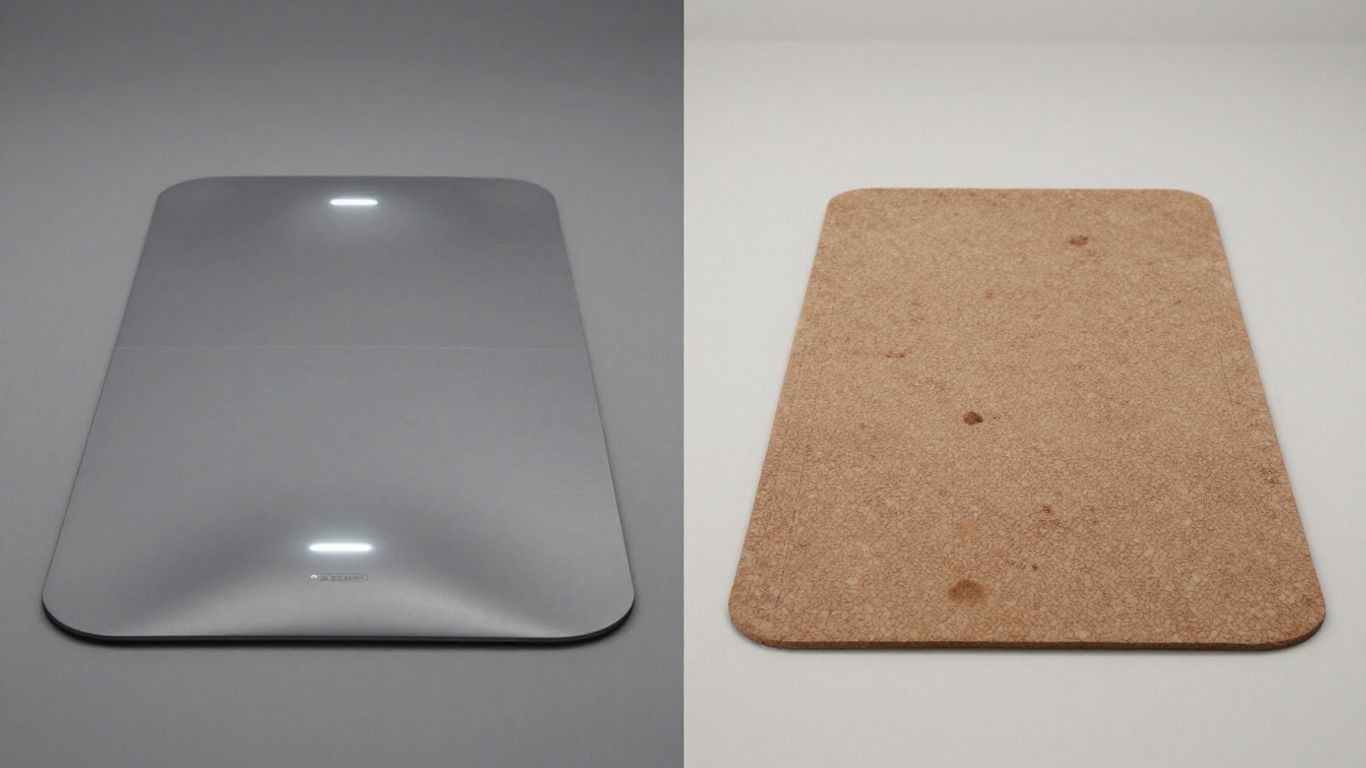
Making either a PEMF or grounding mat a regular part of your day is where the real magic happens. It’s not just about a one-off session; it’s about consistency. Think of it like brushing your teeth – you do it every day because it’s good for you. The same applies here. Start small, maybe just 15-20 minutes each morning or evening. Find a quiet spot, set your mat up, and just lie down. Don’t overthink it; just be present. Let the technology do its thing while you focus on your breath or simply relax. Over time, you’ll likely notice a difference in how you feel, both physically and mentally.
Optimizing Mat Use for Sleep and Recovery
For many, the ultimate goal is better sleep and faster recovery. If that’s you, consider using your mat in the hour or so before bed. Many users find that preheating the mat to a comfortable, warm temperature can significantly deepen relaxation. This gentle warmth, combined with the mat’s specific technology (whether PEMF or grounding), can help signal to your body that it’s time to wind down. Some people even use the mat for a short session after a tough workout to aid muscle recovery. It’s about creating a ritual that supports your body’s natural healing processes.
Mat Usage for Different Wellness Goals
Your mat can be a versatile tool, adapting to what you need on any given day. Here’s a quick look at how you might tailor its use:
- Stress Reduction: Aim for a 20-30 minute session when you feel overwhelmed or anxious. Focus on deep, slow breathing during this time.
- Energy Boost: Try a shorter, 10-15 minute session in the morning to help you feel more alert and centered before starting your day.
- Pain Management: Use the mat for longer sessions, perhaps 30-45 minutes, focusing on the area of discomfort if possible, or just allowing the full-body effect to work.
- Meditation Aid: Incorporate the mat into your meditation practice. The calming frequencies can help you reach deeper meditative states more quickly.
Remember, consistency is key. Even short, regular sessions can yield significant benefits over time. Listen to your body and adjust your usage as needed. It’s a journey, not a race.
Practical Tips for Daily Use
- Consistency Over Duration: A 15-minute session every day is often more beneficial than a 2-hour session once a week.
- Create a Dedicated Space: If possible, set up your mat in a quiet area where you can relax without distractions.
- Listen to Your Body: Pay attention to how you feel before, during, and after sessions. Adjust the intensity or duration based on your personal response.
- Hydration: Drink plenty of water after your sessions, especially if you’re using a mat that promotes detoxification or circulation.
Wrapping It Up
So, we’ve looked at PEMF mats and grounding mats, and it’s clear they both aim to help us feel better, just in different ways. PEMF therapy uses specific frequencies to help our cells work right and can even help with things like pain and recovery. Grounding, on the other hand, is all about reconnecting with the Earth’s natural energy. Think of it like this: PEMF is like giving your body’s internal systems a tune-up, while grounding is like plugging back into a natural power source. Which one is right for you really depends on what you’re hoping to achieve. Maybe you’re looking to ease some aches and pains, or perhaps you just want to feel more connected to the world around you. It’s worth thinking about what your body needs most right now. Both options offer a unique path toward feeling more balanced and well.
Frequently Asked Questions
What exactly is PEMF therapy?
PEMF stands for Pulsed Electromagnetic Field therapy. Think of it like giving your body’s cells a gentle nudge with natural energy. It uses special waves of energy, like those found in nature, to help your body work better. It’s not like the energy from your phone or Wi-Fi, which can sometimes be disruptive. Instead, it’s designed to help your cells get back to their best functioning.
How is a PEMF mat different from a grounding mat?
A PEMF mat sends out specific energy waves, kind of like a gentle broadcast, to help your cells. A grounding mat, on the other hand, connects you directly to the Earth’s natural energy, like walking barefoot outside. It’s like one is sending a signal, and the other is plugging you into a natural source.
Can I use both PEMF and grounding at the same time?
Yes, you can! Some advanced mats actually combine both PEMF technology and grounding features. This means you get the benefits of both the energy waves from the PEMF and the direct connection to the Earth’s natural electrons. It’s like getting a double dose of natural wellness support.
What kind of benefits can I expect from using these mats?
People often feel more relaxed and have more energy. These mats can help reduce stress, make it easier to sleep soundly, and even help with aches and pains. Some also find they recover faster after exercise or injury. It’s all about helping your body feel more balanced and revitalized.
Are PEMF mats safe to sleep on?
Generally, yes. Many people find sleeping on PEMF mats very helpful for improving sleep quality. It’s usually recommended to use them with the heat turned off for sleeping. The gentle energy waves can help calm your nervous system, making it easier to drift off into a restful sleep.
How do I know which mat is right for me?
Think about what you want to achieve. Are you looking to relax more, sleep better, or help with pain? Sometimes, just going with your first feeling or instinct about a particular mat can be a good guide. It’s about finding the tool that feels like the best fit for your personal wellness goals.
Leave a Reply