Dealing with pain can really throw a wrench in your day-to-day life. You try different things, hoping for some relief, but sometimes it feels like nothing quite hits the mark. Recently, I’ve been looking into something called PEMF therapy, and it seems pretty interesting. It uses electromagnetic fields, which sounds a bit sci-fi, but the idea is that it helps your body heal itself on a cellular level. It’s supposed to be good for all sorts of pain, from sore muscles to nerve issues, and it’s not something you have to take pills for. Let’s explore what this PEMF therapy is all about and if it could be a good option for managing pain.
Key Takeaways
- PEMF therapy uses low-frequency electromagnetic fields to help your body’s cells work better and heal themselves.
- It can help with different kinds of pain, including muscle and joint pain, and even nerve-related discomfort.
- The treatment is non-invasive, meaning nothing enters your body, and most people find it comfortable.
- PEMF therapy aims to reduce inflammation and improve blood flow, which are key to the healing process.
- While it’s a growing area, research suggests PEMF therapy can be a helpful addition to traditional pain management strategies.
Understanding Pulsed Electromagnetic Field Therapy

What is PEMF Technology?
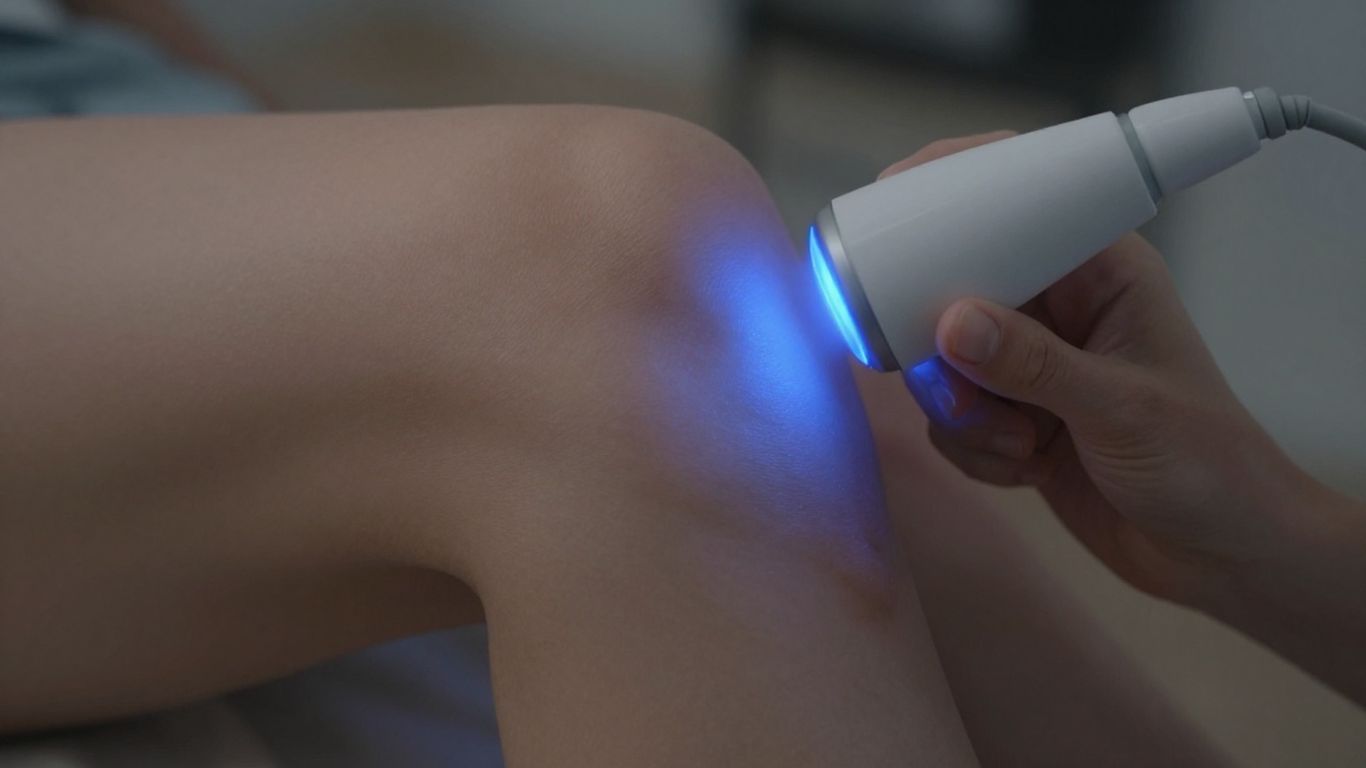
Pulsed Electromagnetic Field (PEMF) therapy is a modern approach to wellness that uses specific frequencies of electromagnetic fields. Think of it as a way to give your body’s cells a little boost. These aren’t the kind of fields you get from power lines; they’re gentle and designed to work with your body’s natural electrical signals. The core idea is to use these targeted pulses to encourage cells to function better. It’s a non-invasive method, meaning nothing enters the body, and it’s quite different from things like X-rays or MRIs which use much stronger fields. PEMF devices typically involve an applicator that’s placed near or on the body, delivering these beneficial pulses.
How Does PEMF Work in the Body?
Our bodies are, in a way, electrical. Every single cell has a natural electrical charge, and this charge is important for how well it works. When cells get damaged from an injury, illness, or even just stress, their electrical charge can get out of balance. This imbalance slows down their normal functions, making it harder for them to heal and do their job. PEMF therapy steps in by sending low-frequency electromagnetic pulses into the body. These pulses are thought to help ‘recharge’ the cells, bringing their electrical balance back to a healthier state. This improved cellular function can lead to several positive effects:
- Better Nutrient Absorption: Energized cells are more efficient at taking in the nutrients they need.
- Waste Removal: A healthy electrical charge helps cells get rid of waste products more effectively.
- Improved Communication: Cells communicate with each other using electrical signals; restoring balance helps this communication flow better.
The Science Behind Cellular Rejuvenation
The science behind PEMF therapy centers on restoring the body’s natural electromagnetic balance at the cellular level. When cells are functioning optimally, they have a specific electrical potential across their membrane. Injury, inflammation, or disease can disrupt this potential, leading to impaired function and slower healing. PEMF devices deliver specific frequencies of electromagnetic energy that are believed to interact with the cell membrane. This interaction can help to repolarize the cell, essentially returning it to a more normal, healthy electrical state. This process is thought to stimulate various cellular activities, including:
- Mitochondrial activity, which is key for energy production within the cell.
- Ion exchange across the cell membrane, vital for cellular signaling and function.
- Gene expression, potentially influencing the production of proteins involved in repair and regeneration.
The goal is to support the body’s innate ability to heal by optimizing the environment at the cellular level. It’s about creating conditions where cells can perform their repair and maintenance functions more effectively, leading to improved tissue health and reduced discomfort. This approach focuses on addressing the root cause of many pain issues – cellular dysfunction – rather than just masking symptoms.
Exploring the Diverse Applications of PEMF Therapy
Targeting Musculoskeletal Pain
Pulsed Electromagnetic Field (PEMF) therapy is showing some real promise when it comes to dealing with aches and pains in our muscles and bones. Think about things like old sports injuries that just won’t quit, or the general wear and tear that comes with age. PEMF works by sending gentle magnetic pulses into the body, which can help speed up the natural healing processes. It’s not just about masking the pain; it’s about helping the body fix itself. For folks dealing with things like fractures, PEMF can actually help bones knit together faster. It’s also being looked at for conditions like osteoarthritis, where it might help reduce inflammation and improve joint function.
Here’s a quick look at how it can help with common issues:
- Fractures: Accelerates bone healing.
- Osteoarthritis: May reduce pain and inflammation in joints.
- Muscle Strains: Aids in faster tissue repair.
- Back Pain: Can help reduce discomfort and improve mobility.
It’s like giving your body’s repair crew a helpful boost.
Alleviating Neuropathic Pain
Neuropathic pain, that’s the tricky kind that comes from nerve damage, can be really tough to manage. It often feels like burning, tingling, or shooting pain, and it doesn’t always respond well to typical pain relievers. PEMF therapy offers a different approach. By influencing the electrical activity in nerve cells and potentially reducing inflammation around damaged nerves, it might help calm down those overactive pain signals. It’s not a magic bullet, but for some people, it’s providing a much-needed bit of relief where other treatments have fallen short. The idea is to help restore a more normal nerve function, which can lead to less pain overall.
Addressing Fibromyalgia and Widespread Discomfort
Fibromyalgia is a condition that causes widespread pain, fatigue, and sleep problems, and it can really turn someone’s life upside down. Because the pain is so widespread and often accompanied by other symptoms, finding effective relief can be a challenge. PEMF therapy is being explored as a way to help manage these complex symptoms. The gentle electromagnetic pulses might help to reduce the overall inflammation in the body, which is thought to play a role in fibromyalgia. It could also help improve circulation, bringing more oxygen and nutrients to tissues that need it. Some people report feeling less achy and more rested after PEMF treatments, suggesting it might help improve sleep quality too. It’s a way to try and address the body’s overall system rather than just focusing on one specific spot.
PEMF therapy is showing potential across a range of conditions, from bone healing to nerve pain and widespread body aches. It’s a non-invasive option that aims to support the body’s own healing capabilities, offering a different path for those seeking relief.
The Mechanism of PEMF Therapy for Pain Relief
So, how exactly does this PEMF thing work to actually make pain better? It’s not magic, even though it might feel like it sometimes. It all comes down to how our bodies work at a really tiny level, down to the cells. Think of your cells like little batteries. When they’re healthy, they have a certain electrical charge, and that’s important for them to do their jobs, like repairing themselves or fighting off bad stuff. PEMF therapy basically helps to get those cellular batteries back to their normal, healthy charge.
Restoring Cellular Electromagnetic Balance
Our bodies are naturally full of electrical and magnetic activity. It’s how our cells communicate and function. But when we get injured, stressed out, or just get older, this natural balance can get messed up. PEMF therapy uses specific magnetic field pulses to gently encourage your cells to return to their optimal electrical state. This restoration of balance is key to helping your body heal itself. It’s like giving your cells a gentle nudge in the right direction.
Reducing Inflammation and Swelling
Inflammation is often a big part of why we feel pain. It’s your body’s response to injury or irritation, but sometimes it gets stuck in overdrive. PEMF pulses can help calm down that inflammatory response. By reducing swelling and the chemicals that cause inflammation, the therapy can make a noticeable difference in pain levels. It’s not just masking the pain; it’s helping to address one of the root causes.
Enhancing Blood Circulation for Healing
Good blood flow is super important for healing. Blood carries oxygen and nutrients to damaged areas and helps clear out waste products. PEMF therapy can help improve circulation, especially in smaller blood vessels. This means more of the good stuff gets to where it needs to be to repair tissues, and the junk gets removed faster. More efficient circulation means a quicker path to recovery.
The idea is that by influencing the electrical activity of cells and improving blood flow, PEMF therapy supports the body’s natural repair processes. It’s a way to work with your body’s own healing mechanisms, rather than just trying to suppress symptoms.
Here’s a quick look at what happens:
- Cellular Recharge: Cells return to their normal electrical potential.
- Inflammation Control: Swelling and inflammatory markers decrease.
- Circulation Boost: Blood flow improves, delivering more oxygen and nutrients.
- Tissue Repair: The body’s natural healing processes are supported.
What to Expect During a PEMF Treatment Session
The Non-Invasive Treatment Process
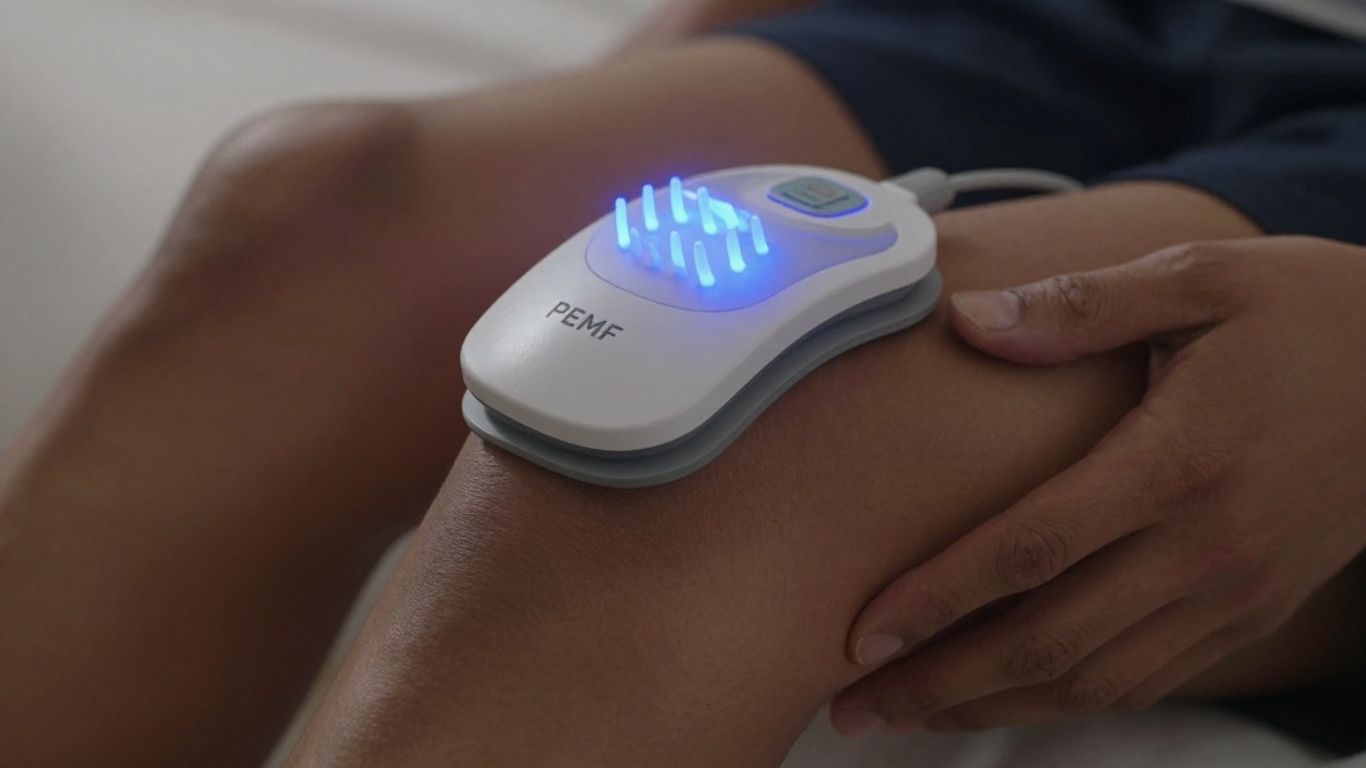
Getting ready for a PEMF session is pretty straightforward. You don’t need to change into special clothing or do anything complicated beforehand. The therapist will likely have you sit or lie down comfortably. Then, they’ll place special applicators, which look a bit like pads or coils, directly onto the area of your body that needs attention – maybe your knee, your lower back, or your shoulder. Once these are in place, the device is turned on. You won’t feel any physical sensation, like heat or vibration, from the pulses themselves. It’s a completely silent and invisible process. Your main job is just to relax and let the electromagnetic fields do their work. It’s a very hands-off experience for the patient.
Typical Session Duration and Frequency
How long a session lasts can vary a bit, but most treatments fall within a 20 to 60-minute window. The exact time often depends on the specific condition being addressed and the protocol the therapist is following. As for how often you’ll need to come in, that’s also tailored to your situation. It’s not usually a one-and-done kind of thing. A treatment plan typically involves a series of sessions spread out over a few weeks. This consistent exposure is what helps the body make the most of the therapy and achieve the best possible results for pain relief and healing.
Safety Considerations and Contraindications
PEMF therapy is generally considered very safe for most people. The electromagnetic fields used are quite gentle, similar to the natural magnetic fields we encounter every day. However, like with any therapy, there are a few situations where it’s not recommended.
- Pregnancy: It’s not advised for pregnant individuals.
- Implanted Devices: If you have a pacemaker or any other electronic implant, like a cochlear implant or insulin pump, PEMF therapy is usually avoided.
- Organ Transplants: People who have received organ transplants are also typically advised against it.
It’s always a good idea to have a chat with your doctor or a qualified healthcare provider before starting PEMF to make sure it’s the right and safe choice for you.
The goal of PEMF therapy is to support your body’s natural healing processes by optimizing how your cells function. It works by gently encouraging your cells to return to their normal electrical state, which can help reduce inflammation and improve circulation, both key factors in recovery and pain reduction.
PEMF Therapy Versus Traditional Pain Management
A Holistic Approach to Healing
When you’re dealing with pain, it’s easy to just want something to make it stop, right? Traditional methods often focus on masking the pain, like taking a pill that dulls the ache for a while. But PEMF therapy takes a different route. It’s more about getting to the root of the problem, helping your body actually heal itself. Think of it like this: instead of just covering up a leaky pipe, PEMF helps fix the pipe itself. This means the relief you get might last longer because the underlying issue is being addressed.
Minimally Invasive Alternative
Many people worry about treatments that involve needles, surgery, or a long recovery time. That’s where PEMF really shines. It’s completely non-invasive, meaning nothing enters your body. You just relax while the device works its magic. This is a big deal compared to some traditional treatments that can come with their own set of risks and require you to take time off from your life to recover. PEMF offers a gentler way to get your body back on track.
Promoting Long-Term Recovery
So, what’s the end goal? For many, it’s not just about feeling better today, but about staying better. Traditional treatments can sometimes lead to a cycle of recurring pain. PEMF therapy, by focusing on cellular health and reducing inflammation, aims to build a stronger foundation for your body. This can lead to more sustained recovery and a better quality of life over time. It’s about empowering your body’s natural ability to repair and stay healthy.
Here’s a quick look at how PEMF stacks up:
| Feature | Traditional Pain Management (Examples) | PEMF Therapy |
|---|---|---|
| Primary Goal | Symptom relief (e.g., pain reduction) | Cellular repair, inflammation reduction, healing |
| Approach | Often targets symptoms directly | Works with the body’s natural processes |
| Invasiveness | Can be invasive (medication, surgery) | Non-invasive |
| Focus | Short-term relief | Long-term recovery and well-being |
| Side Effects Concern | Can be significant | Generally minimal |
The Growing Evidence for PEMF Therapy
It’s pretty exciting to see how much research is backing up PEMF therapy these days. It feels like we’re really starting to understand how these electromagnetic fields can help our bodies heal. The scientific community is increasingly recognizing PEMF’s potential for various health issues.
Clinical Research in Chronic Pain Syndromes
When it comes to long-term pain, the studies are really starting to pile up. Researchers have been looking into how PEMF can help people dealing with persistent discomfort, and the results are promising. It seems like PEMF can do more than just mask the pain; it might actually be helping the body fix what’s causing it at a cellular level. This is a big deal because so many people struggle with chronic pain, and finding effective, non-drug solutions is a constant search. One study, for example, looked at adding PEMF to standard physical therapy for nerve pain and found it helped improve daily function [00bb].
FDA-Approved Applications for Fractures
One area where PEMF has really made its mark is in helping bones heal. The FDA has actually cleared PEMF devices for use in treating certain types of bone fractures. This means that medical professionals have seen enough good results to approve it as a legitimate treatment option. The idea is that the electromagnetic pulses can speed up the natural bone-healing process, which is fantastic news for anyone recovering from a break. It can mean less time in a cast and a quicker return to normal activities.
Improving Quality of Life for Patients
Ultimately, what matters most is how these therapies affect people’s everyday lives. Beyond the specific conditions, many patients report a general improvement in their well-being when using PEMF. This can include better sleep, reduced stress, and more energy. It’s not just about fixing one problem; it’s about helping the whole person feel better.
Here’s a look at some reported benefits:
- Reduced pain levels
- Faster recovery from injuries
- Improved sleep quality
- Increased energy and vitality
- Better mood and reduced stress
The growing body of evidence suggests that PEMF therapy is more than just a passing trend. It’s emerging as a reliable tool that can genuinely make a difference in how people manage pain and recover from various conditions, leading to a better overall quality of life.
Wrapping Up PEMF Therapy
So, we’ve talked a lot about PEMF therapy, and it seems like a pretty interesting option for dealing with pain and helping the body heal. It’s not some magic bullet, of course, but the idea of using gentle energy waves to help cells do their thing makes sense. It’s good to know there are ways to help your body recover without just relying on pills or more invasive stuff. If you’re dealing with ongoing discomfort or just want to explore ways to feel better, looking into PEMF might be worth your time. It’s definitely a different approach to wellness that’s worth considering.
Frequently Asked Questions
What exactly is PEMF therapy?
PEMF therapy uses special magnetic pulses to help your body heal. Think of it like giving your cells a little energy boost to help them work better and fix themselves. It’s a gentle way to encourage your body’s natural healing powers.
How does PEMF help with pain?
PEMF therapy can help with pain in a few ways. It can reduce swelling and inflammation, which often cause pain. It also helps improve blood flow, bringing more helpful stuff to the sore areas and taking away the bad stuff. Plus, it might even help block pain signals from reaching your brain.
Is PEMF therapy safe?
For most people, PEMF therapy is very safe. The magnetic fields it uses are weak and similar to the Earth’s natural magnetic field. However, it’s not recommended if you are pregnant, have a pacemaker, or have had an organ transplant. It’s always best to talk to your doctor first.
What happens during a PEMF session?
During a PEMF session, you’ll usually lie down comfortably. A device with applicators will be placed on the area that needs help. You won’t feel anything during the session, just relax. Sessions typically last between 20 to 60 minutes.
How is PEMF different from other pain treatments?
Unlike some medicines that just cover up pain, PEMF therapy works with your body to help it heal itself. It’s also not like surgery, which can be risky. PEMF is a gentle, non-invasive method that aims for long-term healing rather than just temporary relief.
Can PEMF help with conditions like arthritis or nerve pain?
Yes, PEMF therapy has shown promise for various conditions. Studies suggest it can help reduce pain and stiffness in arthritis, ease the discomfort of nerve pain like diabetic neuropathy, and even help with widespread pain from conditions like fibromyalgia. It’s a versatile tool for many types of pain.
Leave a Reply