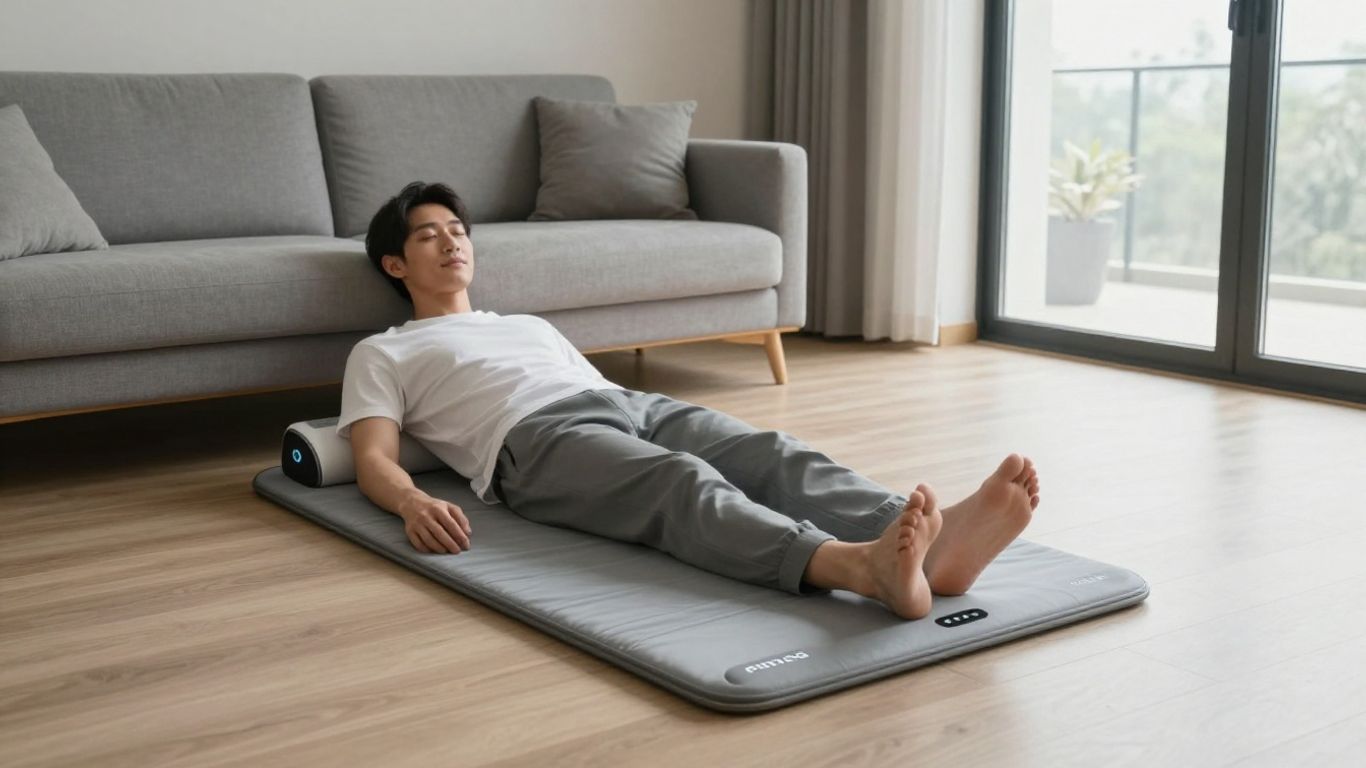
Looking for ways to feel better at home? You might have heard about PEMF therapy. It uses magnetic fields to help your body out. Think of it like recharging your cells. People use it for all sorts of things, from aches and pains to just feeling more energetic. We’ve looked into some of the best PEMF therapy devices you can get for your place in 2026. It’s a big decision, and we’re here to help you figure it out.
Key Takeaways
- The OMI Full Body Mat is a top pick for full-body PEMF sessions.
- For targeted treatment, the OMI Pulsepad is a good option.
- The DC Cure PEMF Therapeutic Device is noted for helping with low back pain.
- BioBalance PEMF offers a professional-grade experience with helpful preset programs.
- The OMI Minimat is a more budget-friendly choice for home use.
1. OMI Full Body Mat
When you’re looking for a way to tackle discomfort all over, the OMI Full Body Mat is a pretty solid contender. It’s designed to cover your whole body, which is nice if you’re dealing with general aches or just want to relax after a long day. This mat operates with low-intensity magnetic fields, and it gives you a wide range of frequencies to play with – we’re talking 99 different settings, from 1 to 99 Hz. That’s a lot more options than you find on some other mats out there.
It’s a great option if you want to cover a lot of ground with your PEMF therapy. The mat itself is a decent size, measuring about 65 inches long and 25.5 inches wide, so it should accommodate most people comfortably. Users often mention that it feels good enough for daily use, and some have reported noticing improvements in their muscle and joint pain after consistent use. The company suggests it can take a couple of months to really feel the full effects, so patience is key here.
Here’s a quick look at what it offers:
- Wide Frequency Range: 1-99 Hz for customizable sessions.
- Full Body Coverage: Designed to address discomfort across the entire body.
- Low Intensity: Gentle magnetic fields suitable for regular use.
- User Comfort: Generally reported as comfortable for daily application.
While it’s not a magic bullet, the OMI Full Body Mat seems to be a reliable choice for those seeking a convenient way to incorporate PEMF therapy into their home wellness routine. It’s a good starting point for exploring the benefits of PEMF therapy at home without getting overly complicated.
2. OMI Pulsepad
If you’re looking for something a bit more portable, the OMI Pulsepad is a solid choice. It’s designed for those smaller, targeted areas – think knees, elbows, or that nagging spot on your back. It’s a low-intensity device, and it typically operates at a frequency of around 8 Hz. This frequency is often cited as helpful for dealing with persistent pain.
One thing to keep in mind is that this little guy runs on four AAA batteries. Some users have mentioned that it can go through them pretty quickly, so factor in the cost of replacement batteries if you plan on using it regularly. It’s a pretty straightforward device, and for localized relief, it seems to do the job for many people.
While it’s great for specific spots, it’s not meant for full-body treatment. You’ll want to consider how often you’ll use it to gauge the battery situation.
It’s a good option for spot treatments when you need relief on the go.
3. DC Cure PEMF Therapeutic Device
If you’re dealing with persistent lower back pain, the DC Cure PEMF Therapeutic Device might be something to look into. It’s a portable option designed specifically to help with that nagging discomfort. Think of it as a little helper that can work alongside other treatments your doctor might suggest for your back.
This device uses a low-intensity magnetic field at a frequency of 50 Hz. The idea is to target inflammation and pain right where you feel it. The company suggests using it twice a day for about six weeks to start seeing the best results. After that initial period, you can probably cut back to a few times a week.
From what users are saying, sticking with it seems to make a difference. It’s not a magic bullet, of course, but many people report finding relief with consistent use. Plus, they offer a 60-day money-back guarantee, which is pretty nice if you’re not sure it’s the right fit for you. It also comes with a 1-year warranty.
While PEMF therapy can be a helpful addition to a pain management plan, it’s important to remember it’s often best used as a complement to other treatments recommended by a healthcare professional, rather than a standalone solution.
This device is particularly noted for its effectiveness in addressing chronic lower back pain. It’s a good example of how targeted PEMF devices can offer focused relief for specific issues.
4. BioBalance PEMF
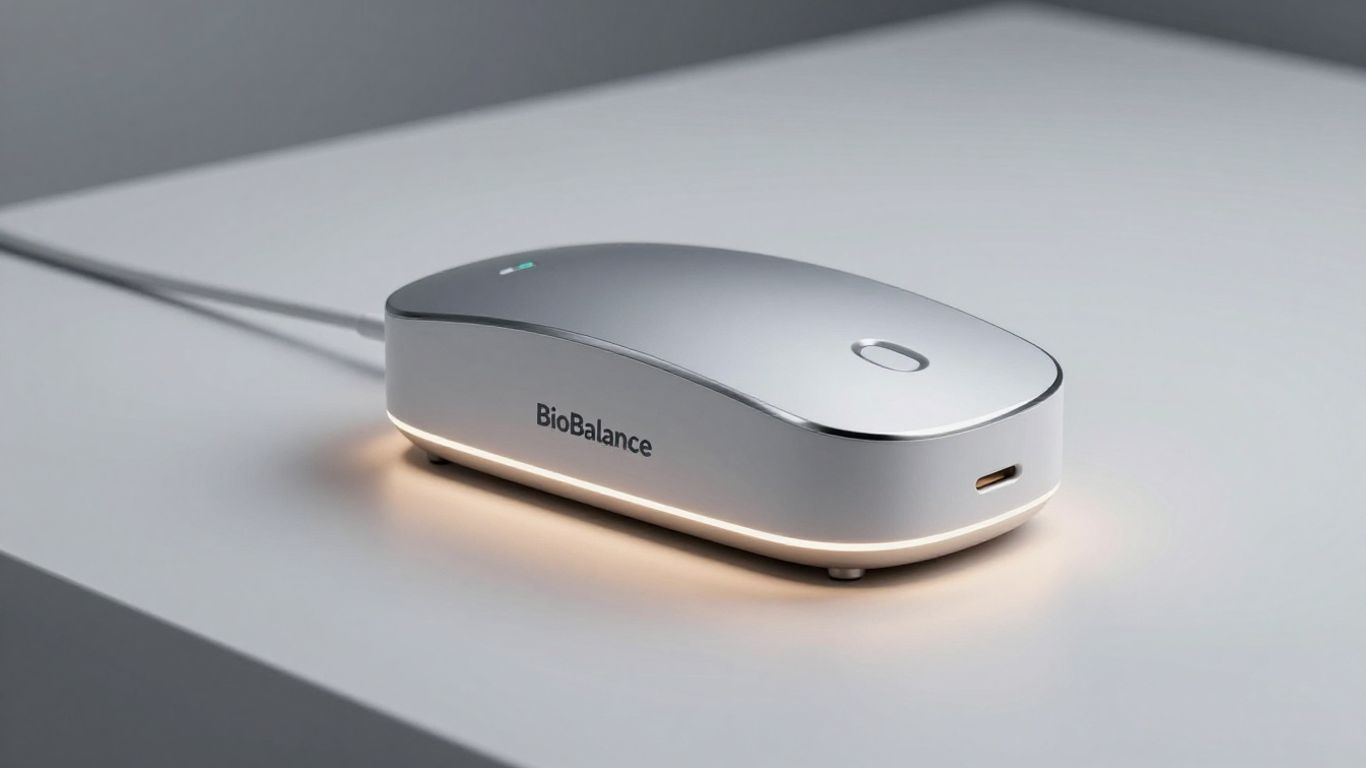
If you’re aiming for something that feels like it belongs in a professional clinic, the BioBalance PEMF might be what you’re looking for. It’s designed to be a more robust, professional-grade device for home use. This unit offers both low and medium intensity settings, and you can adjust the frequency anywhere from 300 to 1,000 Hz. This wide range means it can potentially help with a variety of issues that cause persistent pain.
What really sets the BioBalance apart are its six built-in programs. These are pre-set for different needs, like relaxation or recovery, so you don’t have to guess about the right settings. It takes a lot of the guesswork out of figuring out the best intensity or how long your session should be.
People who’ve used it often report feeling better, mentioning things like less pain, more energy, a calmer mood, and even feeling stronger. The main drawback, though, is that it comes with a pretty significant price tag. It’s definitely an investment, but for some, the benefits are worth it. It’s a good option if you’re serious about incorporating PEMF therapy into your routine and want a device that offers a lot of control and power. Remember, PEMF therapy can accelerate the body’s natural healing processes by stimulating tissue repair and enhancing blood circulation [9ed3].
This device is a strong contender for those seeking a high-intensity, customizable PEMF experience at home.
While the BioBalance PEMF is a powerful tool, it’s important to remember that at-home PEMF therapy is often best used as a complement to other treatments, not necessarily a standalone solution for all conditions.
5. OMI Minimat
If you’re looking for a more budget-friendly option, the OMI Minimat is definitely worth a look. It’s not designed for lying down like some of the bigger mats, but rather for using while you’re sitting in a chair. Think of it as a more targeted approach for specific areas.
This device operates at a low intensity and offers a frequency range from 1 to 99 Hz. It’s pretty compact, measuring about 25 inches long and 18 inches wide. Some folks find it handy to use alongside a larger mat, especially if they travel a lot and want something portable.
It’s a good choice for people who need a more accessible entry point into PEMF therapy. While some users report positive experiences, it’s worth noting that customer service experiences can vary. It’s a decent option for localized treatment, but don’t expect it to cover your whole body.
Here’s a quick rundown:
- Frequency Range: 1-99 Hz
- Intensity: Low
- Portability: High
- Primary Use: Targeted treatment while seated
When considering any home PEMF device, it’s always a good idea to chat with your doctor first. They can help you figure out if it’s the right fit for your specific health needs and what to expect.
6. MagnaField
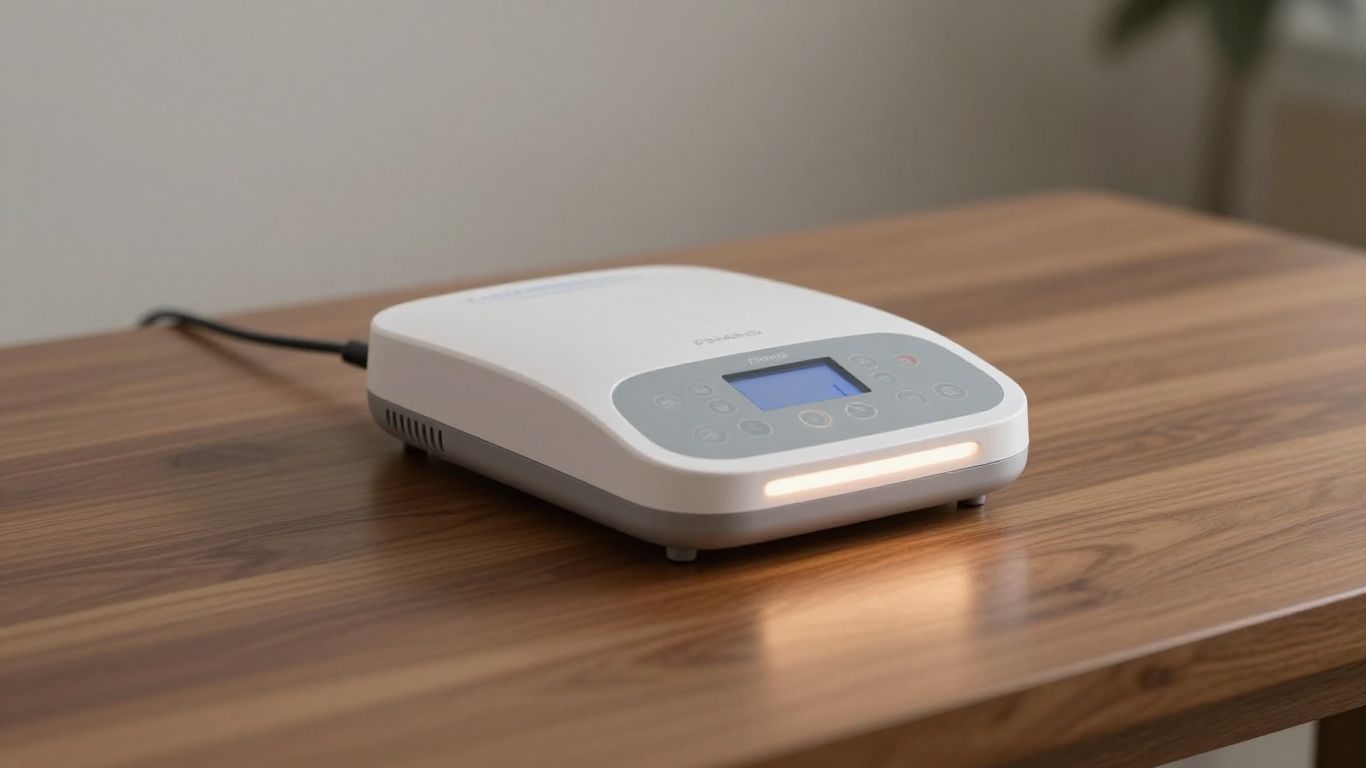
MagnaField is a UK-manufactured PEMF device that comes with a solid 3-year warranty, which is always a good sign. It’s certified as a Class IIb Medical Device in Europe, meeting CE standards. This means it’s built to a certain level of quality and safety for therapeutic use.
When you’re looking at PEMF devices, MagnaField is often mentioned for its good balance of price and the long-term value it provides. They offer a full-body system that lets you adjust the frequencies, which is pretty neat. You can even set up the coil in a specific spot in your home, so anyone (or any pet!) in that area can benefit from the full-body treatment. It’s a system designed for versatility, whether you’re using it for personal wellness or even in a professional setting.
One of the things that stands out is their portable option, the MagnaField Mini. It’s a handheld device that’s supposed to help with faster pain relief without making you feel worn out. This is a good point to consider if you travel a lot or just need something quick and easy to use on a specific spot.
MagnaField aims to provide a practical and effective PEMF solution, focusing on user needs and offering a device that can be adapted for various situations, from personal use to shared spaces.
7. Built-In Programs
When you’re looking at PEMF devices for home use, the built-in programs are a big deal. Think of them like pre-set playlists for your body’s needs. Some machines are pretty basic, offering just one general setting. Others, though, come loaded with a variety of programs designed for different goals.
Many devices use what’s called an ‘organ clock’ or ‘biorhythm clock.’ The idea here is that your body has natural cycles throughout the day. So, a program might be set to help you feel more alert in the morning and then wind down in the evening. It’s a neat concept, trying to sync the therapy with your body’s natural rhythm.
Then you have condition-based programs. These are often labeled with terms like ‘Circulation,’ ‘Relaxation,’ or ‘Vitality.’ They aim to guide your body towards a specific state, kind of like mimicking where your brain waves should be at a certain time or for a particular purpose. Knowing the specific frequencies a device uses can really help you pick the right program for what you’re trying to achieve, no matter the time of day.
Here’s a quick look at common program types:
- General Wellness: For overall health maintenance and energy.
- Pain Relief: Targeted frequencies to help manage discomfort.
- Sleep Support: Programs designed to promote relaxation and better rest.
- Recovery: Aimed at aiding muscle repair and reducing fatigue.
Some systems even offer disease-specific programs, though it’s always best to consult with a healthcare professional for serious conditions. The variety of programs available can make a big difference in how effectively you can use the device for your personal health journey. It’s worth checking out devices that offer flexibility, like the OMI Pulsepad, which provides a good range of options for different needs.
Choosing a device with a good selection of pre-set programs can simplify the process, especially when you’re just starting out. It takes the guesswork out of figuring out the right frequencies and intensities for your specific goals. You can just select the program that best matches what you’re feeling or what you want to achieve that day.
8. Pricing
When you’re looking at PEMF devices for home use, the price tags can really jump around. You’ll find some simpler, portable units starting in the low hundreds of dollars, maybe around $200 to $300. Then you have the bigger, full-body systems that can go up into the thousands. It’s a pretty wide range, honestly.
The initial cost might seem high, but think of it as a long-term investment in your well-being. These aren’t like batteries you have to keep replacing. You buy it once, and you and your family can use it for years. Plus, pets and even plants can get in on the benefits, which is pretty neat.
Here’s a general idea of what you might expect:
- Under $500: Usually smaller, portable devices for targeted areas.
- $500 – $1,000: Might get you a more robust mat or a device with more features.
- $1,000 – $2,000: Often includes full-body systems with more advanced capabilities.
- Over $2,000: Typically high-end, full-body systems with extensive customization.
It really boils down to what you need. A device like the OMI Pulsepad, which is great for spot treatments, might be around the $$ range ($500-$1,000), while a larger mat like the OMI Full Body Mat could be in the $$$ range ($1,000-$2,000). It’s worth calculating the cost per day over the lifespan of the device; you might be surprised at how reasonable it can be.
Don’t just go for the cheapest option you find. Sometimes, spending a bit more upfront on a quality device means it’ll last longer and work better. When it comes to your health, it’s usually better to get a premium product than one that might conk out after a couple of years.
9. After Sales Support
When you’re dropping a good chunk of change on a PEMF device, you want to know someone’s got your back if things go sideways. After sales support is a big deal, especially since these machines are meant to last for years. Think about it – you’ll likely have questions about how to use it best, maybe need a repair down the line, or want to understand the warranty better.
Look for companies that make it easy to get in touch and actually help you. It’s not just about the initial sale; it’s about the ongoing relationship.
Here’s what to keep an eye out for:
- Customer Service Responsiveness: Do they answer emails or calls quickly? A slow response time can be super frustrating when you need help.
- Warranty Details: What exactly does the warranty cover, and for how long? Make sure it’s clearly laid out.
- Repair Services: If something breaks, can they fix it? Do they offer clear instructions or options for getting it repaired?
- Online Resources: Sometimes, a good FAQ section or helpful video tutorials can solve your problem without needing to contact support directly.
Checking out customer reviews can give you a pretty good idea of what to expect. Long-term customers who are happy with the support they’ve received are a good sign. It shows the company cares about its products and the people using them, even after you’ve paid.
Investing in a PEMF device is a long-term commitment to your well-being. The manufacturer’s dedication to supporting you throughout that journey is just as important as the technology itself. Don’t underestimate the peace of mind that comes with knowing reliable help is available when you need it.
10. How PEMF Therapy Works
So, how exactly does this pulsed electromagnetic field (PEMF) therapy thing work? It’s actually pretty interesting. Basically, these devices use low-frequency magnetic fields to interact with your body’s cells. Think of it like giving your cells a little energy boost. The idea is that by recharging your cells, you help them function better. This can lead to a bunch of good things, like improved circulation and helping your body repair itself.
Here’s a simplified breakdown:
- Cellular Recharge: PEMF devices send out gentle pulses that are thought to help restore the electrical potential across cell membranes. This is important because healthy cell membranes are key for cells to do their jobs properly.
- Improved Circulation: When cells are functioning better, it can lead to better blood flow. More blood means more oxygen and nutrients getting to where they need to go, and waste products being carried away.
- Natural Repair Processes: By supporting cellular function and circulation, PEMF therapy aims to help your body’s own natural healing mechanisms work more efficiently. This is why it’s often looked at for helping with recovery from injuries or managing discomfort.
It’s not magic, but it’s a way to support your body’s natural processes. The magnetic fields are designed to be safe and non-invasive, working with your body rather than against it. It’s a bit like giving your body the right conditions to heal itself. Many people find it helps with general well-being and can be a nice addition to their self-care routine. You can read more about how PEMF therapy works to promote cellular repair here.
The core idea is to get your cells back to a more optimal state of function. When cells are healthier, they can do their jobs better, which can have a ripple effect throughout the body, potentially leading to reduced inflammation and better overall physical performance.
While research is ongoing, many users report positive experiences with PEMF therapy for various wellness goals. It’s a technology that’s been around for a while, with roots going back to ancient practices, but modern devices make it accessible for home use.
Wrapping It Up
So, we’ve looked at some of the top PEMF devices you can bring into your home. It’s a big decision, for sure, especially with the cost involved. But think about it – this is an investment in your health and well-being, and that of your family, for years to come. No refills, no appointments you have to rush to. You get to use it on your own schedule. Whether you’re dealing with aches and pains, trying to recover from an injury, or just want to feel more energized, there’s likely a PEMF device out there that can help. Do your homework, talk to your doctor if you can, and pick the one that feels right for you. Here’s to feeling better!
Frequently Asked Questions
How does PEMF therapy actually work?
PEMF therapy uses special magnetic devices to send small energy pulses to a certain part of your body. It’s thought to help your body heal by improving blood flow and how your cells work. This might help reduce swelling and pain.
Are PEMF devices expensive?
Yes, the best PEMF devices can be quite pricey. But, they are a one-time purchase that can be used by your whole family for many years. When you think about the long-term use, the cost per day can be quite good.
Can I use PEMF therapy at home?
Yes, you can get PEMF devices for home use. Some are full-body mats, while others are smaller and portable for specific areas. It’s a good idea to talk to your doctor before starting at-home treatment.
What should I look for when choosing a PEMF device?
When picking a device, think about what you need it for, whether it’s for home use or professional, its size (full-body or portable), and the types of frequencies and intensity it offers. Also, consider your budget and if you need a prescription.
Are there different programs on PEMF devices?
Some PEMF devices come with built-in programs. These might be based on the time of day (like being more active in the morning and relaxed at night) or specific needs like circulation or relaxation. Some even have programs for certain health issues.
Is PEMF therapy approved by the FDA?
Yes, PEMF therapy has been approved by the FDA. It’s used for certain bone issues, like helping bones heal after surgery in the spine.
Leave a Reply